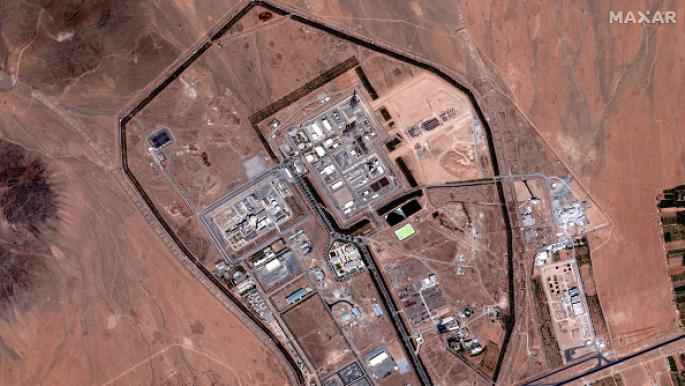
The International Atomic Energy Agency reported on Sunday that Iran's Khondab heavy water facility has stopped operations after being targeted by several Israeli airstrikes last week. This development comes at a sensitive time as tensions in the region escalate due to Iran's nuclear activities.
These airstrikes are part of the ongoing conflict between Iran and Israel, with the latter seeking to prevent Tehran from developing its nuclear capabilities. Heavy water facilities are essential components of Iran's nuclear program, as they are used to produce nuclear fuel.
Details of the Incident
According to reports, the Israeli airstrikes targeted the Khondab facility, located in Isfahan Province, which is considered a vital installation in Iran's nuclear program. The International Atomic Energy Agency has confirmed that this halt in operations will significantly impact Iran's ability to produce heavy water, potentially hindering its progress in developing nuclear weapons.
It is worth noting that the Khondab facility is one of the few installations in the world that produces heavy water, a vital element in many nuclear applications. This facility was built as part of Iran's nuclear program, which began several decades ago, and is seen as a symbol of Iran's ambitions in this field.
Background & Context
The roots of the conflict between Iran and Israel date back decades, with Israel viewing Iran's nuclear program as an existential threat. In recent years, there has been an escalation in Israeli military operations against Iranian facilities, as Tel Aviv seeks to undermine Tehran's ability to develop nuclear weapons.
In this context, this attack is part of a broader Israeli strategy aimed at preventing Iran from accessing advanced nuclear technology. Israel has previously targeted other Iranian nuclear facilities, reflecting its determination to counter potential threats from Iran.
Impact & Consequences
This halt in operations is expected to have significant repercussions for Iran's nuclear program, potentially delaying the development of nuclear weapons. Additionally, this incident may heighten tensions between Iran and Western countries, especially amid ongoing negotiations regarding the nuclear agreement.
Furthermore, this escalation could provoke reactions from Iran, which may seek to bolster its military capabilities or take other escalatory steps in the region. This situation serves as a real test for Iran's foreign policy and its ability to withstand international pressures.
Regional Significance
Developments in Iran's nuclear program are a major concern for Arab countries, which fear that Iran's enhancement of its nuclear capabilities could destabilize the region. Many Arab nations have expressed their worries about Iran's nuclear activities and have called for a comprehensive agreement to ensure the non-proliferation of nuclear weapons in the region.
At the same time, these events may lead to increased security cooperation between Arab countries and Israel, as they share concerns about the Iranian threat. The near future may witness new diplomatic moves aimed at addressing security challenges in the region.
In conclusion, the cessation of operations at Iran's Khondab heavy water facility represents a turning point in the ongoing conflict between Iran and Israel, reflecting the rising tensions in the region. The current situation requires the international community to take serious steps to ensure that conditions do not worsen and to work towards achieving security and stability in the Middle East.