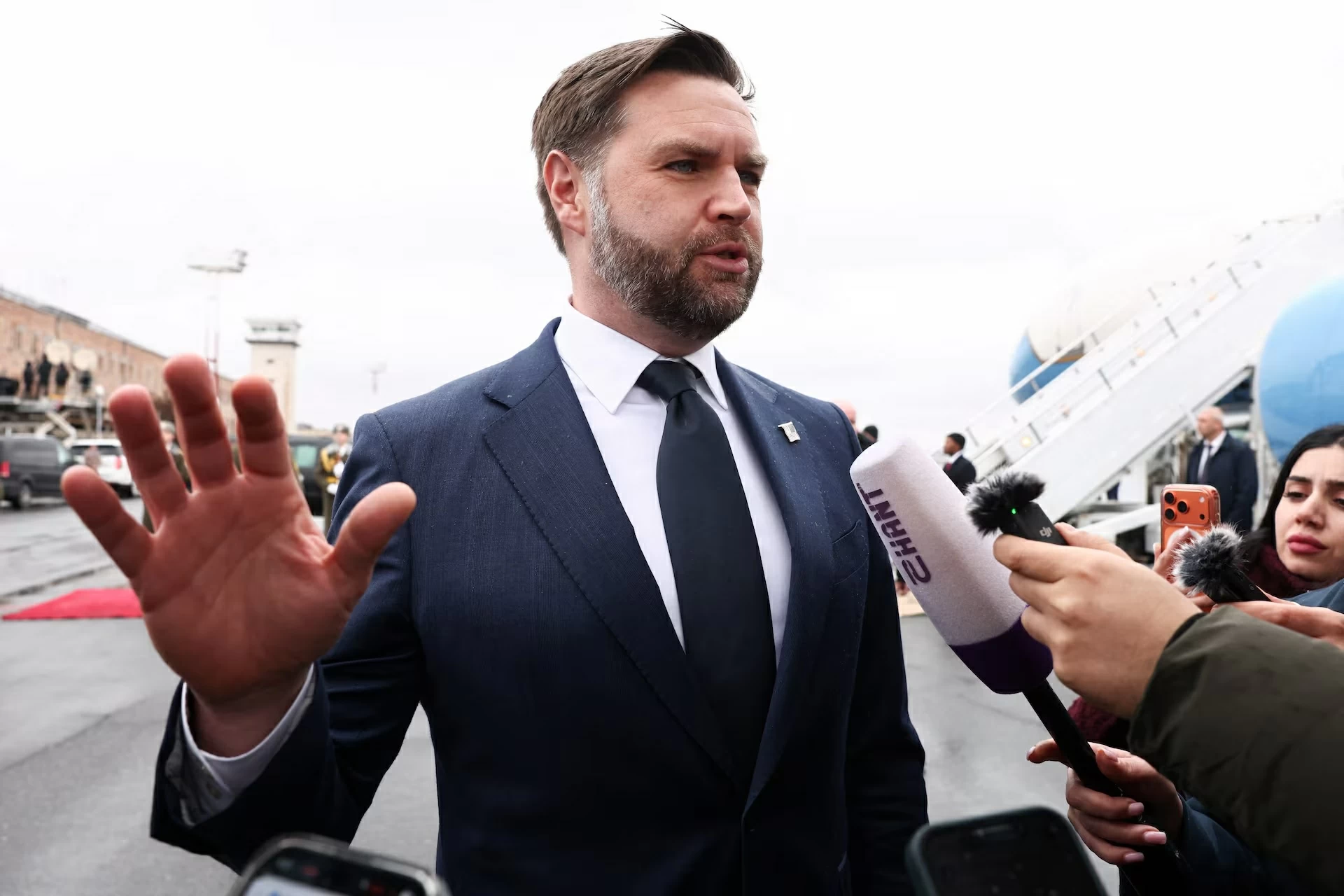
US Vice President JD Vance described the ceasefire agreement between the United States and Iran as a 'fragile truce,' indicating that the possibility of reaching a permanent agreement depends on the Iranians' willingness to negotiate. This statement was made during an event in Hungary, where he pointed out that the agreement reached by the United States is being misrepresented within Iran.
Vance confirmed that the agreement includes plans for negotiations and the reopening of the Strait of Hormuz, which is a vital artery for global oil supplies. He also mentioned that there are individuals who are lying about the truce, without specifying any names.
Details of the Event
In his remarks, Vance did not address speculation about the possibility of him traveling to Pakistan to participate in upcoming talks with Iran on Friday. He clarified that President Donald Trump had instructed US negotiators to negotiate in good faith, but warned that Trump is impatient for progress.
Vance also stated that the United States is prepared to use its economic leverage, noting that Trump has directed against using those tools at the current time. He emphasized that the President has asked negotiators to sit at the negotiating table, warning that if the Iranians do not respond, they will realize that Trump is not someone to be trifled with.
Background & Context
On Tuesday evening, President Trump agreed to a two-week ceasefire with Iran, just under two hours before the deadline for Tehran to reopen the Strait of Hormuz. Trump confirmed that the agreement is conditional on Iran's acceptance to stop obstructing oil and gas supplies through the strait, which typically sees about one-fifth of global oil shipments.
Trump's announcement marked a surprising shift from his previous stance, where he had warned that 'an entire civilization would perish tonight' if his demands were not met. Pakistani Prime Minister Shehbaz Sharif helped mediate the ceasefire and invited the Iranian and American delegations to meet in Islamabad on Friday.
Impact & Consequences
These developments represent a significant step in US-Iran relations, which could greatly affect stability in the region. If the parties can reach a sustainable agreement, it may lead to a de-escalation of tensions in the Gulf region, which is experiencing increasing strains due to regional conflicts.
Moreover, the success of the negotiations could contribute to improving relations between Iran and Western countries, potentially opening the door for greater cooperation in various fields, including economics and security.
Regional Significance
These events directly impact Arab countries, especially those that have ties with the United States or are affected by developments in the Iranian situation. Any progress in negotiations could lead to greater stability in the region, positively reflecting on the Arab economy.
In conclusion, it remains to be seen how events will unfold in the coming days and whether Iran will respond to calls for good faith negotiations, which could determine the future of relations between the two parties.