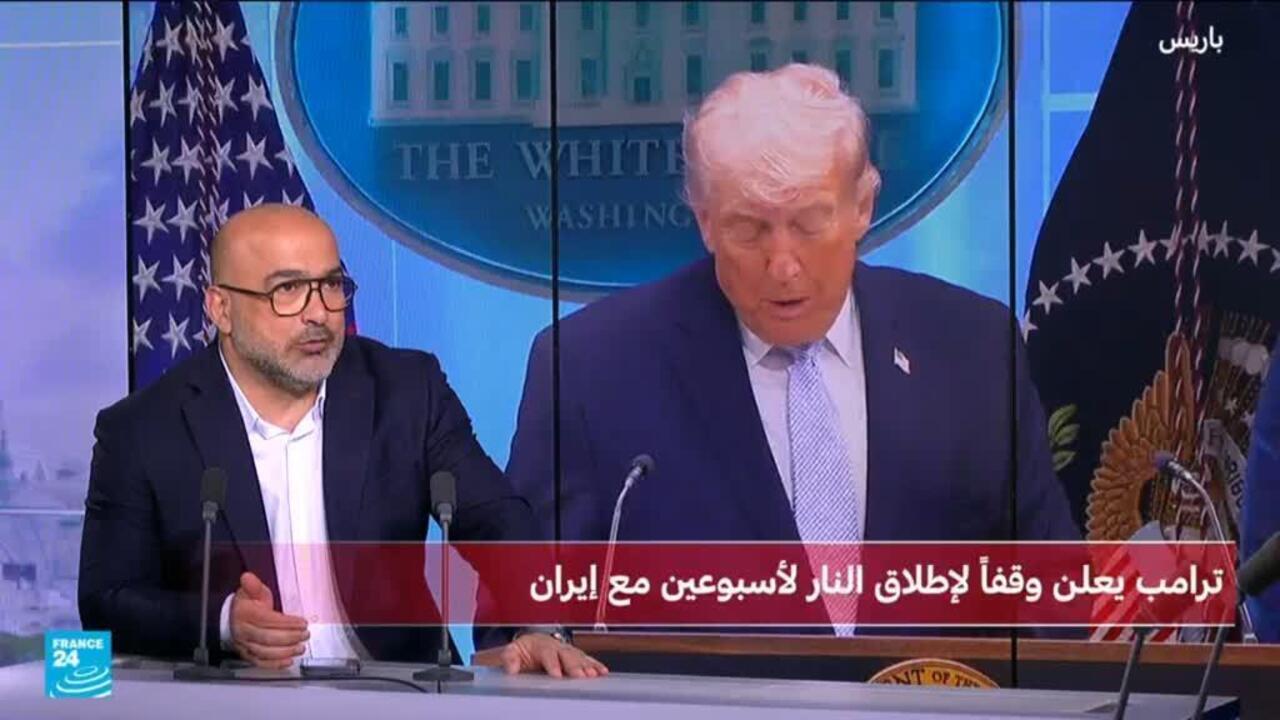
The United States and Iran announced on Wednesday a diplomatic victory after reaching a two-week ceasefire agreement that includes the reopening of the Strait of Hormuz, one of the world's most important waterways. This agreement comes at a sensitive time, as the region is experiencing increasing tensions.
The announced truce received support from Israel, which confirmed its backing for this step, but clarified that the ceasefire does not include Lebanon, raising questions about the future of relations in the region and its impact on regional security.
Details of the Event
These developments follow months of military escalation between Iran and the United States, with fears of an outbreak of a full-scale conflict in the Gulf region. The new agreement aims to calm the situation and reflects the desire of both parties to avoid further escalation.
The Strait of Hormuz, through which about 20% of the world's total oil passes, is considered a lifeline for global economies. Its reopening could contribute to stabilizing oil prices, which have seen significant fluctuations recently due to political tensions.
Background & Context
Historically, relations between the United States and Iran have been tense since the Islamic Revolution in 1979. The economic sanctions imposed by Washington on Tehran have exacerbated the situation, making it difficult to reach peaceful solutions. However, the recent agreement may indicate a shift in this dynamic.
In recent years, the region has witnessed an increase in military activities, including attacks on commercial ships in the Gulf. These events suggested that matters could lead to military conflict, but the current agreement may open new avenues for dialogue.
Impact & Consequences
If the agreement is successfully implemented, it could lead to a reduction in tensions in the region, contributing to the stability of global markets. Additionally, this agreement may encourage other countries in the region to take similar steps toward dialogue and negotiation.
However, the exclusion of Lebanon from the ceasefire may raise concerns about potential escalation in that country, which is suffering from political and economic crises. Therefore, observers are looking forward to how events will unfold in the coming days.
Regional Significance
This agreement could have wide-ranging effects on Arab countries, especially those that rely on the stability of the Gulf region. Gulf states may feel relieved by the return of calm, but at the same time, they must remain cautious of any developments that could affect their security.
Moreover, this agreement could pave the way for further cooperation between Gulf countries and Iran, potentially contributing to enhanced regional security. Ultimately, the question remains about the parties' ability to adhere to the ceasefire and achieve lasting peace in the region.