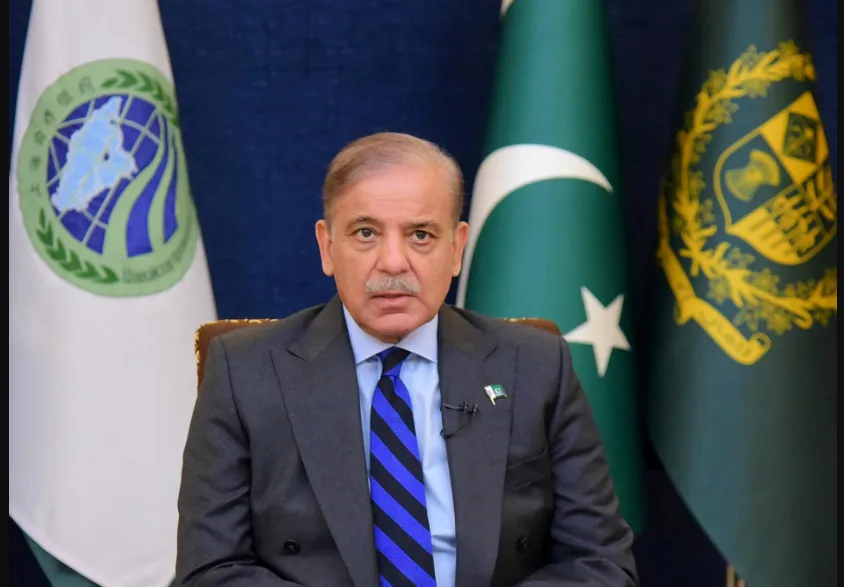
Pakistani Prime Minister Shahbaz Sharif announced today a historic agreement between the United States, Iran, and allied nations to implement a ceasefire across all regions, including Lebanon. This announcement follows mediation efforts by his government aimed at halting the war that erupted on February 28.
Sharif wrote on the platform X: "I am pleased to announce that the Islamic Republic of Iran and the United States of America, along with their allied parties, have agreed to an immediate ceasefire everywhere, including Lebanon and other places, effective immediately."
Details of the Agreement
The Pakistani capital, Islamabad, is set to host delegations from the United States and Iran next Friday for negotiations aimed at reaching a final agreement. Sharif expressed hope that the Islamabad talks would succeed in achieving sustainable peace, emphasizing that he looks forward to sharing more good news in the coming days.
It is noteworthy that the war began when Israel and the United States launched strikes on Iran, resulting in the death of Iranian leader Ali Khamenei on February 28. Tehran responded with retaliatory strikes on Gulf states and Israel, escalating the conflict in the region.
Background & Context
Historically, relations between the United States and Iran have been marked by increasing tensions, particularly following Washington's withdrawal from the nuclear agreement in 2018. These tensions have led to military escalation in the region, affecting security and stability in countries like Lebanon. Recent events have significantly impacted the humanitarian situation in the region, with many civilians suffering from the consequences of the conflict.
On March 2, Hezbollah, backed by Iran, launched rockets at Israel, prompting extensive airstrikes by the latter on Lebanon. This has exacerbated the humanitarian conditions in Lebanon, where the population is facing shortages of essential resources.
Impact & Consequences
This agreement is seen as a positive step towards de-escalating tensions in the region and could contribute to restoring stability in Lebanon and neighboring countries. The success of Pakistani mediation may enhance Islamabad's role as a key mediator in regional conflicts, potentially opening new avenues for cooperation among major powers in the region.
Moreover, this agreement could help improve relations between the United States and Iran, potentially leading to a reduction in sanctions imposed on Tehran, thereby improving the economic situation in the country. However, the biggest challenge remains how to effectively implement this agreement and ensure compliance from all parties involved.
Regional Significance
This development is significant for the Arab region, as it could lead to a reduction in ongoing conflicts in the Middle East. Stability in Lebanon may contribute to enhancing security in neighboring countries and provide hope for many nations suffering from internal conflicts.
Additionally, the success of Pakistani mediation may encourage other nations to engage in similar efforts to achieve peace in the region. This agreement could mark a new beginning for regional cooperation, enhancing opportunities for sustainable development in Arab countries.