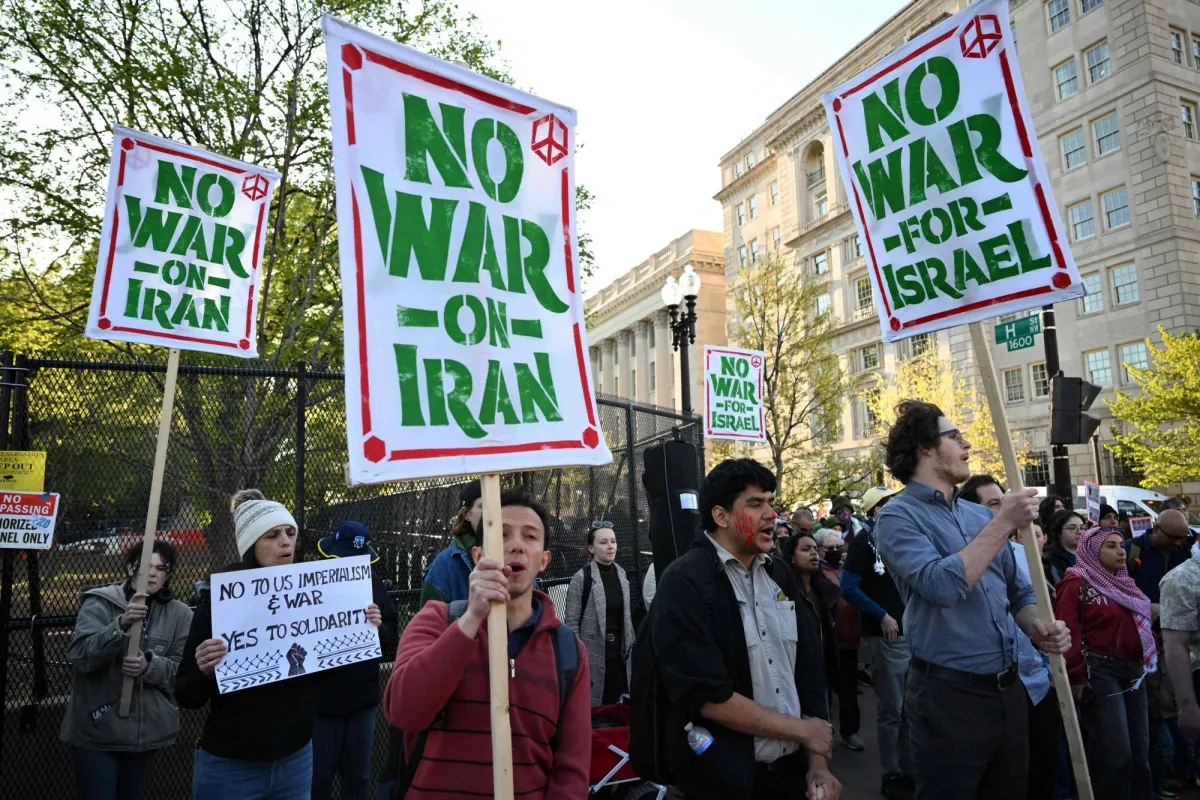
The United States and Iran have announced a two-week ceasefire, which has been met with widespread approval from numerous countries. United Nations Secretary-General Antonio Guterres welcomed the agreement and urged all parties to work towards achieving lasting peace in the region.
In a statement, Guterres' spokesperson, Stefan Dujarric, noted that the Secretary-General appreciates this announcement and emphasizes the importance of adhering to international law and the terms of the ceasefire to ensure comprehensive peace in the Middle East.
Details of the Ceasefire Announcement
The Iraqi Foreign Ministry welcomed the ceasefire announcement, considering this development contributes to reducing tensions and enhances the chances for de-escalation in the region. The ministry affirmed its support for any regional and international efforts aimed at containing crises and promoting dialogue.
For its part, Egypt welcomed President Donald Trump's announcement of a halt to military operations, viewing this step as a positive development towards achieving de-escalation. Cairo stressed the importance of respecting the sovereignty of the Gulf Cooperation Council countries, emphasizing that its security is closely linked to Egypt's security.
Background & Context
These developments come at a sensitive time, as relations between the United States and Iran have recently seen increasing tensions. Trump had set a deadline for Iran to reach an agreement, which heightened tensions in the region.
In this context, Australian Prime Minister Anthony Albanese expressed his welcome for the ceasefire, indicating that it represents an opportunity to negotiate a solution to the U.S.-Israeli conflict with Iran. Meanwhile, Malaysian Prime Minister Anwar Ibrahim called for the establishment of lasting peace in the region.
Impact & Consequences
The ceasefire is considered an important step towards alleviating tensions in the Middle East, as it could pave the way for new negotiations among the involved parties. Both the United States and Iran have shown readiness to negotiate in the coming two weeks, reflecting a desire for long-term stability.
This step may also impact the security situation in the region, as the Strait of Hormuz is expected to be opened for safe navigation, contributing to the enhancement of international trade.
Regional Significance
These developments are particularly significant for Arab countries, as they could lead to a reduction in regional tensions and promote stability. The success of negotiations may also improve relations between Arab states and Iran, enhancing opportunities for regional cooperation.
In conclusion, the ceasefire between Washington and Tehran represents a positive step towards achieving peace in the Middle East, reflecting the importance of dialogue and diplomacy in resolving conflicts.