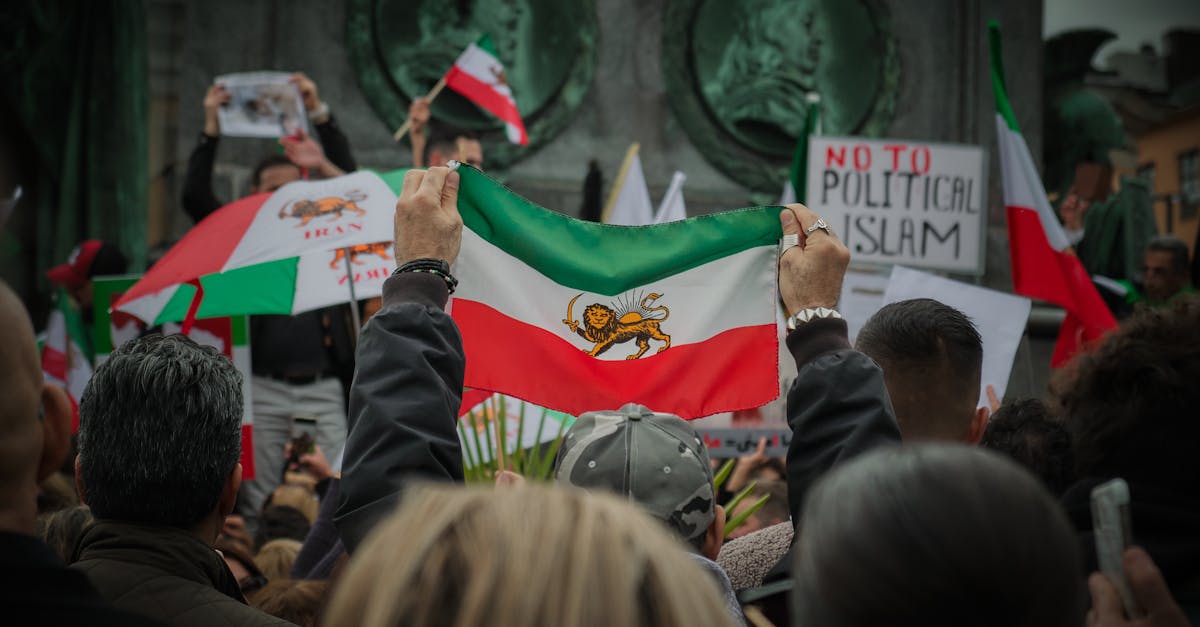
The recent ceasefire in Iran has reportedly contributed to enhancing negative perceptions regarding the American strategy in the region. The campaign led by President Donald Trump against the Iranian regime is viewed as a strategic setback, allowing both China and Russia to bolster their positions on the international stage.
This shift in regional dynamics reflects a decline in American influence, indicating that both allies and adversaries are beginning to reassess their strategies based on these developments. Reports suggest that NATO is also participating in this outlook, complicating the geopolitical situation further.
Details of the Ceasefire
The ceasefire in Iran came after a prolonged period of escalating tensions between the United States and the Iranian regime. This has led to a general sentiment that the United States is no longer able to impose its will as it once did. Simultaneously, both China and Russia have seized this opportunity to strengthen their ties with Tehran, raising concerns in Western capitals.
This development is seen as a turning point in international relations, as the United States has been regarded as the dominant power in the region for decades. However, recent events suggest that this dominance may be waning, opening the door for new powers to take the lead.
Background & Context
Historically, the United States has played a pivotal role in the Middle East, aiming to contain Iranian influence. However, with rising tensions in recent years, it has become clear that the American strategy needs reassessment. The region has witnessed significant changes, including the rise of new powers such as China and Russia, which are seeking to fill the void that the United States may leave.
It is noteworthy that relations between Iran and both China and Russia have improved significantly in recent years, with several economic and military cooperation agreements signed. This cooperation reflects a shift in the balance of power in the region, indicating that the United States may be losing its traditional influence.
Impact & Consequences
The implications of this situation could be far-reaching. With increasing Iranian influence, the United States may find itself in a weakened position, which could affect its strategies in other parts of the world. Additionally, this change may lead to a reshaping of alliances in the region, as other countries may seek to strengthen their relations with Iran or other major powers.
Moreover, this situation could raise concerns among the United States' traditional allies in the region, who may feel insecure amid the growing Iranian influence. This could lead to changes in regional policies, as countries may seek to enhance their defensive capabilities or look for new alliances.
Regional Significance
The developments in Iran necessitate a reevaluation of American strategies, which will impact the geopolitical balance in the region. As the dynamics shift, the United States may need to adapt its approach to maintain its interests and influence.
In conclusion, the ceasefire in Iran not only highlights the challenges faced by the United States but also underscores the rising roles of China and Russia in the Middle East, marking a significant shift in the geopolitical landscape.