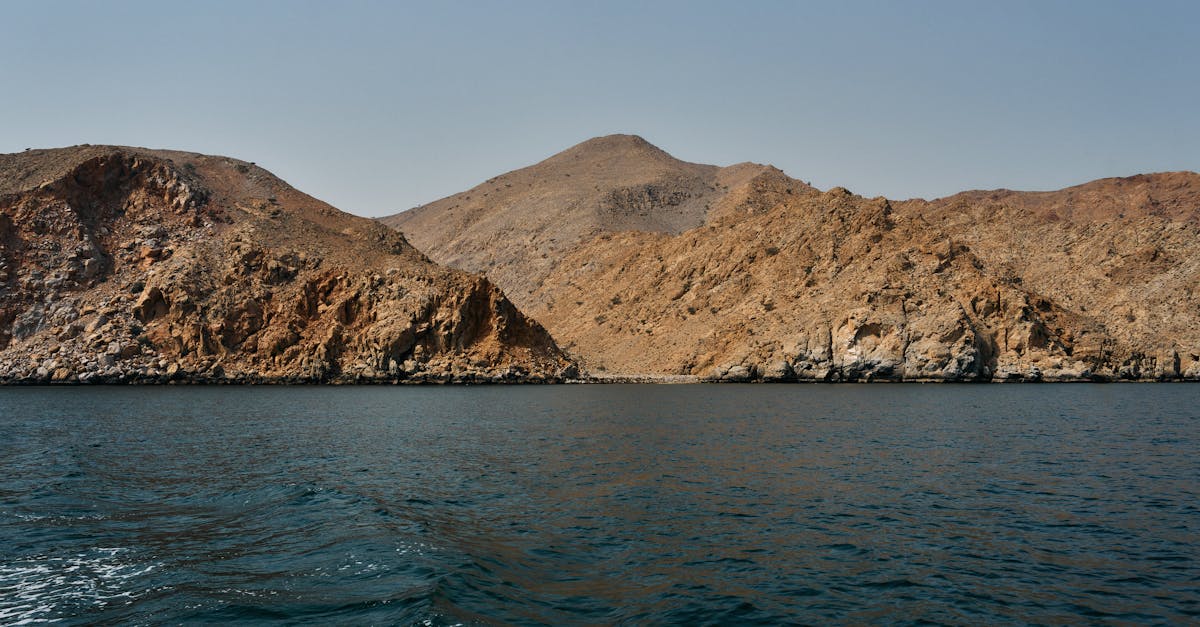
The United Arab Emirates has announced its relief over the cessation of conflict in the region; however, this calm may not be sufficient to eliminate the persistent threats posed by the Iranian regime. The Strait of Hormuz, which is one of the most important maritime passages in the world, remains under Iranian control, raising concerns about the stability of the region.
These developments come at a critical time as the UAE seeks to enhance its security and stability amid increasing tensions with Iran. Analysts have pointed out that the Iranian regime still poses a significant threat, particularly given its ongoing military presence in the region and its growing influence.
Details of the Event
The cessation of conflict in the Gulf came after intensive diplomatic efforts; however, the UAE is fully aware that this calm may be fragile. Reports have shown that Iran still maintains significant military capabilities in the region, raising fears of a potential resurgence of conflict at any moment.
The Strait of Hormuz is a strategic point, through which approximately 20% of the world's total oil passes. Any escalation in tensions in this area could significantly impact global oil markets, adversely affecting the global economy.
Background & Context
Historically, the Gulf region has witnessed numerous conflicts and disputes, with Iran always being a key player in these tensions. Since the Islamic Revolution in 1979, Iran has expanded its influence in the region, leading to heightened tensions with its neighbors, including the United Arab Emirates.
In recent years, tensions between Iran and the United States have intensified, affecting relations between Iran and Gulf states. These tensions have led to increased military preparations in the region, as Gulf countries seek to bolster their defensive capabilities to counter any potential threats.
Impact & Consequences
The cessation of conflict may provide Gulf states with an opportunity to reassess their security strategies; however, the Iranian threat remains. The continuation of this threat could enhance military cooperation between Gulf states and the United States, potentially increasing tensions in the region.
On the other hand, this calm may contribute to opening dialogue channels between Iran and Gulf states, which could lead to a long-term easing of tensions. However, this requires strong political will from all parties involved.
Regional Significance
The UAE is one of the Arab countries directly affected by developments in the Gulf. Any escalation in tensions with Iran could impact security and stability in the region, negatively reflecting on the Arab economy as a whole.
Moreover, stability in the Gulf is vital for other Arab countries, as many of these nations rely on oil and gas exports from the region. Therefore, any escalation could affect oil prices and increase economic pressures on Arab countries.
In conclusion, the question remains: Will the UAE and Gulf states be able to maintain this calm, or will the Iranian threat continue to impact the stability of the region?