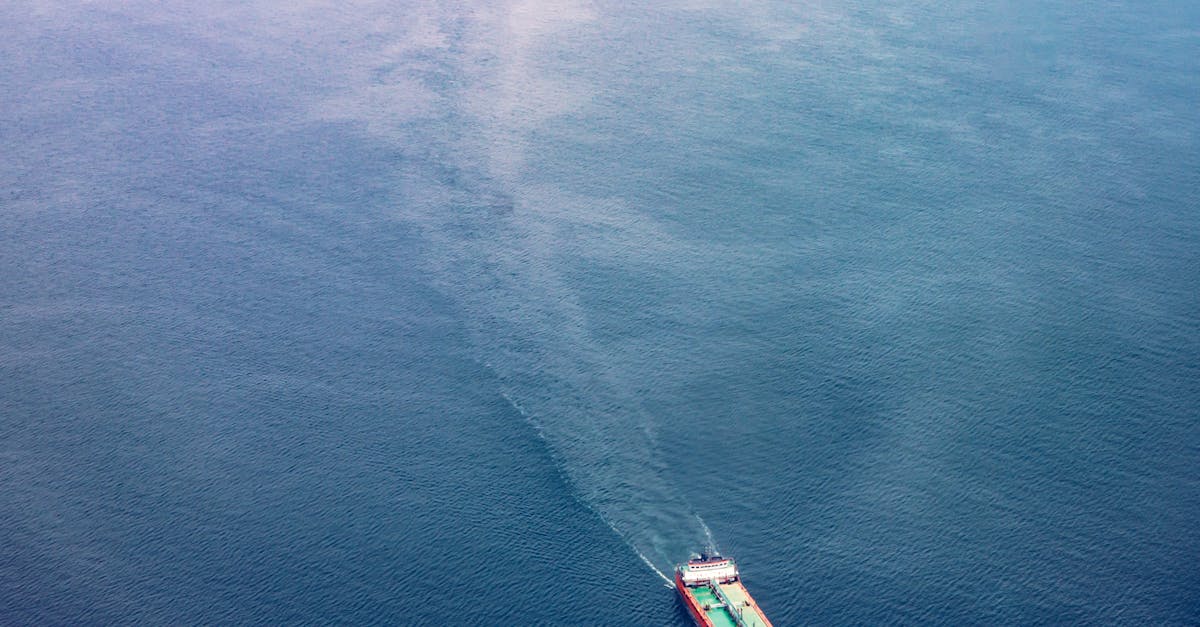
The focus is on the Strait of Hormuz amid a two-week ceasefire reached between Iran and the United States. This ceasefire raises questions about the future of the strait, which is considered one of the most important maritime passages in the world, through which approximately 20% of the world's total oil passes.
Since the onset of the conflict, Iran has imposed restrictions on navigation in the strait, significantly impacting global markets and oil prices. As the ceasefire nears its end, the most pressing question remains: Will Iran fully reopen the strait or continue to impose new restrictions?
Details of the Event
This ceasefire comes at a sensitive time, as both parties seek to ease tensions that have escalated in recent years. The United States has shown a willingness to negotiate on security and economic issues, while Iran aims to strengthen its position in the region.
The ceasefire also includes commitments from both sides to avoid escalation, paving the way for future talks that could lead to greater stability in the region. However, doubts persist regarding Iran's intentions regarding navigation in the strait.
Background & Context
The Strait of Hormuz has a long history of political and military tensions. For decades, this strait has been the scene of numerous conflicts, including the Iranian-American dispute. In recent years, Iran has increased its military presence in the region, raising concerns among neighboring countries and the United States.
Historically, the strait has been a starting point for many wars, witnessing escalating tensions between major powers. In recent years, economic sanctions imposed on Iran have exacerbated the situation, making the strait a focal point in the conflict.
Impact & Consequences
If the Strait of Hormuz is fully reopened, it could lead to the stabilization of global oil markets, positively reflecting on the global economy. However, the continuation of Iranian restrictions may result in rising oil prices and exacerbate economic crises in many countries.
Reports indicate that any new escalation in the region could have dire consequences, not only for the economy but also for political stability in Gulf countries. Therefore, any decision regarding the strait will have far-reaching implications for regional and international security.
Regional Significance
The Arab countries neighboring the Strait of Hormuz are among the most affected by tensions in the region. Any changes in navigation will directly impact the economies of these countries, especially those that heavily rely on oil exports.
Moreover, the stability of the strait could contribute to enhancing regional cooperation among Arab countries, potentially opening new avenues for economic development. Conversely, the continuation of tensions may lead to worsening political and economic crises in the region.
In conclusion, the future of the Strait of Hormuz hangs in the balance between political tensions and hopes for peace. Any moves by Iran or the United States will determine the fate of this vital passage and its impact on the entire world.