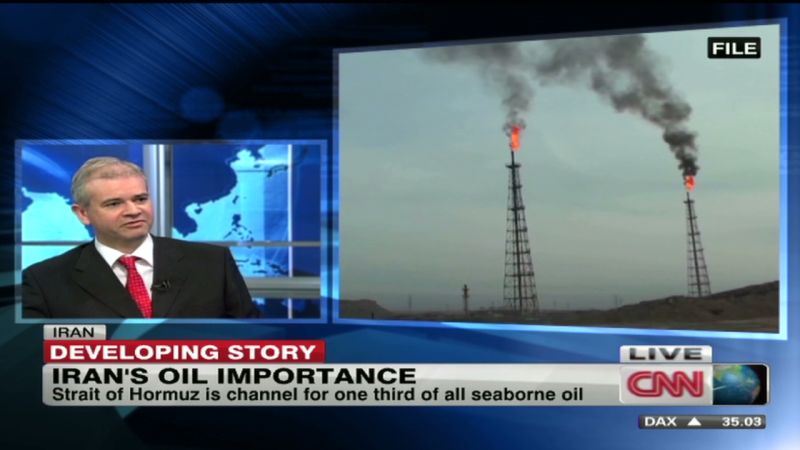
The two-week ceasefire between the United States and Iran has rapidly reshaped oil and energy markets, transitioning from fears of widespread supply disruptions through the Strait of Hormuz to a fragile pricing environment that alleviates immediate shocks. Despite this shift, the risk premium has not been entirely removed.
This change in pricing has pressured crude oil prices, revitalizing financial markets, but it has left traders facing three critical factors in the coming weeks. According to Bloomberg reports, the outlook for oil has become significantly tied to the stability of the ceasefire and how the resumption of traffic through Hormuz will unfold. Analysts indicate that the decline following the announcement may encounter obstacles if the return of flows slows or if fractures appear in the U.S.-Iran understanding.
Details of the Event
The commodity analyst at Bloomberg noted that the ceasefire has led to a temporary drop in oil prices, but the underlying tensions remain. The market is now closely watching the developments surrounding the ceasefire, as any sign of instability could lead to a rapid reversal in prices. Furthermore, the dynamics of supply and demand will play a crucial role in determining the future trajectory of oil prices.
In addition to oil, the liquefied natural gas (LNG) market is facing challenges as demand fluctuates. The ceasefire has provided a brief respite, but the long-term implications for energy markets remain uncertain. Traders are particularly concerned about how quickly the market can adapt to the new conditions and whether demand will rebound sufficiently to support prices.
Background & Context
The geopolitical landscape surrounding the U.S.-Iran relationship has been fraught with tension, impacting global oil supply chains. The Strait of Hormuz is a critical chokepoint for oil shipments, and any disruption can have far-reaching consequences for global energy prices. The recent ceasefire represents a significant development, but the potential for renewed conflict remains a constant threat.
Historically, fluctuations in oil prices have been closely linked to geopolitical events. The current situation is no different, as traders remain cautious and vigilant. The ceasefire may provide temporary relief, but the underlying issues that have led to volatility in the past have not been resolved.
Impact & Consequences
The immediate impact of the ceasefire has been a reduction in oil prices, which has provided some relief to consumers and businesses alike. However, the market remains on edge, as any signs of instability could trigger a spike in prices. The potential for renewed tensions between the U.S. and Iran could quickly undermine the gains made during this ceasefire.
Moreover, the global economy is still grappling with the effects of the COVID-19 pandemic, which has altered demand patterns for energy. The ceasefire offers a brief window for recovery, but the overall balance remains precarious. Analysts warn that the market must navigate these complexities carefully to avoid a return to volatility.
Regional Significance
The ceasefire holds significant implications for the broader Middle Eastern region, where oil production and exports are vital to many economies. Countries reliant on oil revenues are particularly sensitive to fluctuations in prices, and any disruption could have severe economic consequences. The stability of the ceasefire will be closely monitored by regional players, as it could influence their own energy strategies and geopolitical alignments.
Additionally, the ceasefire may impact relationships between Iran and its neighboring countries, as well as with global powers. The dynamics of energy security in the region are complex, and any changes could have ripple effects across the geopolitical landscape.
In conclusion, while the ceasefire between the U.S. and Iran has provided a temporary reprieve for oil markets, the underlying risks and tensions remain. Traders and analysts will be watching closely to see how the situation develops, as the potential for renewed conflict could quickly alter the current landscape.