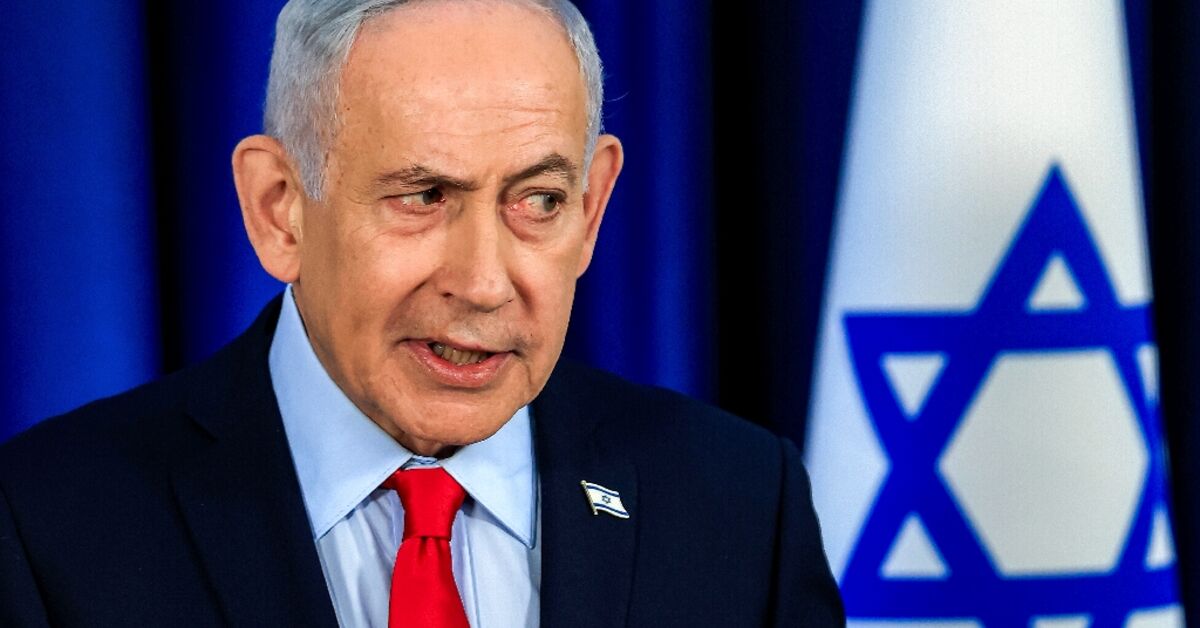
The ceasefire between the United States and Iran has left Israel's key military objectives unachieved, prompting sharp criticism from Israeli opposition figures. Prime Minister Benjamin Netanyahu had identified the elimination of the Iranian nuclear program as a central goal in the conflict, viewing it as an existential threat to Israel for years.
Netanyahu also called for the dismantling of Iran's ballistic missile capabilities, in addition to seeking to weaken or possibly overthrow the Iranian regime. However, this ceasefire has left those goals hanging, raising questions about the effectiveness of Israeli strategy in confronting Iran.
Details of the Event
As Israel strives to achieve its military objectives, the current situation appears to showcase an inability to realize those goals. Analysis provided by several experts indicates that Israel may face new challenges under this circumstance, as Iran could exploit the period of calm to enhance its military capabilities.
The criticisms directed at Netanyahu by Israeli opposition figures suggest that the current government has failed to achieve its stated objectives, undermining its position both domestically and internationally. Prominent figures have expressed concern that this failure could lead to negative repercussions for Israeli national security.
Background & Context
Historically, relations between Israel and Iran have been tense, with Israel considering the Iranian nuclear program a direct threat to its security. For years, Israel has conducted several military and intelligence operations against Iranian targets in the region, attempting to prevent Iran from bolstering its nuclear capabilities.
In recent years, tensions between the United States and Iran have escalated, particularly following the US withdrawal from the Iranian nuclear deal in 2018. This withdrawal increased pressure on Iran, leading it to adopt more aggressive policies in the region, which Israel viewed as an opportunity to strengthen its military position.
Impact & Consequences
The consequences resulting from the ceasefire could be far-reaching. This situation is likely to enhance Iran's position in the region, potentially threatening both Israeli and American interests. Additionally, it may open the door for Iran to expand its influence in countries such as Iraq, Syria, and Lebanon.
Strategic analysis suggests that Israel may need to reassess its strategy towards Iran, as the failure to achieve military objectives could push it to take bolder steps in the future. This could include greater military force or enhanced cooperation with its allies in the region.
Regional Significance
Given the current situation, Arab countries may find themselves in a sensitive position. The tensions between Iran and Israel could affect regional security, necessitating clear stances from Arab nations regarding this conflict. Any escalation in the conflict could lead to negative repercussions for stability in the region.
In conclusion, it can be said that the ceasefire between the United States and Iran may have profound effects on the conflict in the Middle East, prompting all involved parties to consider new strategies to address these challenges.