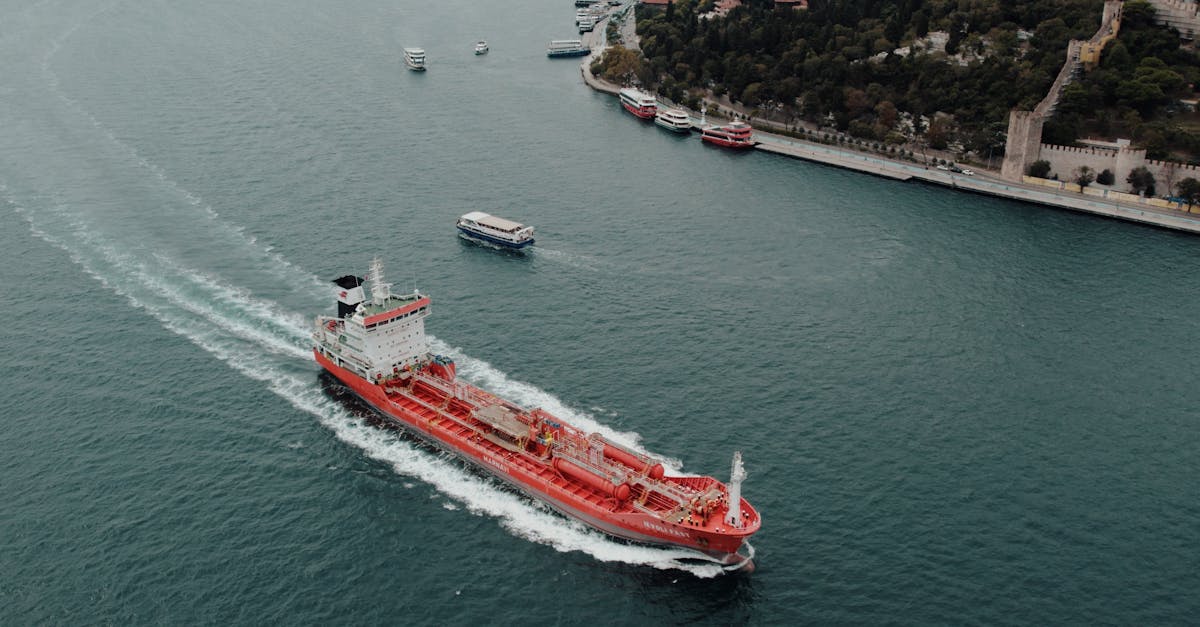
A two-week ceasefire between the United States and Iran has created the potential for movement in navigation through the Strait of Hormuz, but this truce has not yet led to a normal resumption of shipping activities. Security initiatives led by France, involving around 15 countries, aim to facilitate the resumption of passage, while major shipping companies, such as Maersk, are cautious about taking any new steps.
In the early hours following the announcement of the ceasefire, there was no significant change in navigation traffic in the strait, according to Bloomberg. Reports indicate that the maritime shipping sector does not view the ceasefire as an end to the crisis, but rather the beginning of a careful assessment phase regarding passage conditions, crew safety, and risk costs.
Event Details
Despite positive statements from U.S. President Donald Trump regarding a "full, immediate, and safe" reopening of the Strait of Hormuz, actual transit movements remain limited. Maersk confirmed that the ceasefire may create some opportunities, but it does not yet provide sufficient security certainty for resuming normal operations. The company noted that it is adopting a cautious approach, where any decision to transit depends on ongoing risk assessments.
In a related context, Maersk had suspended shipping bookings to several Gulf ports last month and imposed emergency fees on ship fuel to offset rising fuel costs. The company also sought to circumvent maritime congestion by utilizing a "land bridge" through the ports of Jeddah in Saudi Arabia, Salalah and Sur in Oman, and Khor Fakkan in the UAE.
Background & Context
The Strait of Hormuz is a vital transit point for about one-fifth of global oil supplies, making the restoration of navigation in this area critically important. French President Emmanuel Macron announced that around 15 countries are currently working on planning a "purely defensive" mission in coordination with Iran, reflecting the need for multilateral field arrangements to manage and secure transit.
South Korea is also seeking to leverage the ceasefire to release ships trapped in the strait, with the government confirming it will do everything possible to ensure the swift passage of its vessels. There are currently 26 South Korean-flagged ships stuck in the strait, indicating that governments view the ceasefire as an "operational window" that should be cautiously exploited.
Impact & Consequences
Data indicates that more than 800 ships remain trapped within the Arabian Gulf, while over 1,000 ships are waiting on either side of the strait. These figures reflect the significant logistical challenges facing the shipping sector, even if the ceasefire stabilizes politically and security-wise.
The trapped vessels include 426 tankers carrying crude oil and clean fuel, 34 liquefied petroleum gas (LPG) carriers, and 19 liquefied natural gas (LNG) ships. This means that disruptions in navigation through Hormuz not only affect energy markets but also extend to extensive supply chains.
Regional Significance
Navigation through the Strait of Hormuz is vital for Arab countries, many of which rely on oil and gas supplies. Any developments in this context could directly impact Arab economies, necessitating close monitoring by governments and companies.
In conclusion, the question remains whether the ceasefire can transform into a real breakthrough in navigation or if it will remain merely a temporary political calm. Challenges persist, and the maritime sector is looking for tangible steps to ensure safe passage.