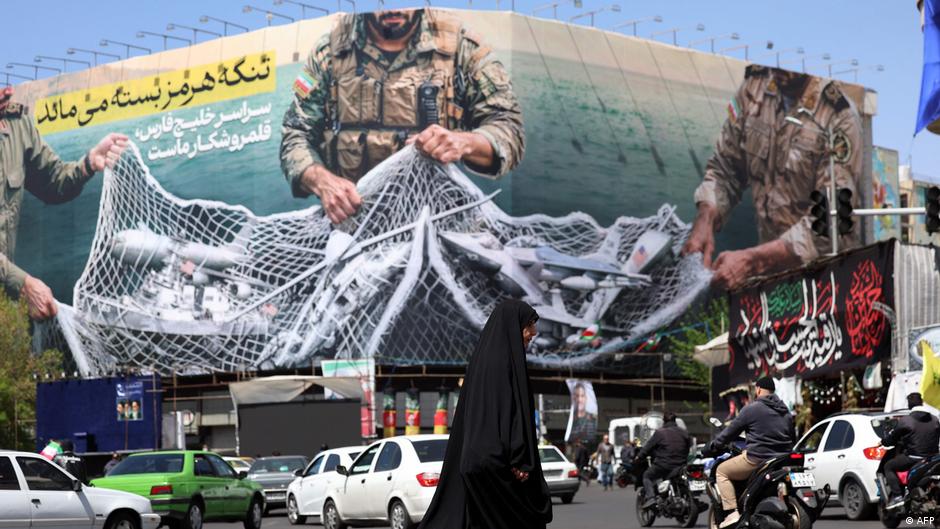
In a historic move, the United States and Iran have announced a two-week ceasefire after successful mediation by Pakistan. This announcement was made by President Donald Trump, who confirmed that he agreed to halt bombings against Iran, provided that Tehran agrees to fully and safely open the Strait of Hormuz.
This diplomatic progress comes at a sensitive time, as tensions between the US and Iran have reached a peak. Experts have praised Pakistan's efforts in this context, as it has managed to act as a reliable mediator between the two parties at a time when risks have escalated.
Details of the Event
In his statements, Trump emphasized that Pakistan played a pivotal role in achieving this ceasefire, utilizing backchannel diplomatic channels to convey assurances to both sides. Raja Qaiser Ahmed, an international relations expert at Quaid-i-Azam University, noted that Pakistan was able to coordinate the interests of both parties regarding de-escalation.
On the other hand, Pakistani Prime Minister Shehbaz Sharif confirmed that he invited delegations from the US and Iran to Islamabad to continue negotiations aimed at reaching a comprehensive agreement to resolve all disputes. This step reflects Pakistan's commitment to actively participate in enhancing regional security.
Background & Context
Historically, relations between the United States and Iran have seen increasing tensions since the Iranian Revolution in 1979. These tensions have led to military and economic conflicts, affecting stability in the Middle East. In recent years, pressures on Iran have increased due to its nuclear program, complicating the situation further.
Pakistan is considered a key player in this dynamic, maintaining friendly relations with both the US and Iran. These complex relationships provide Pakistan with a unique opportunity to mediate disputes and achieve regional stability.
Impact & Consequences
The success of the ceasefire heavily relies on the opening of the Strait of Hormuz, which is a vital artery for global trade. Abbas Araji, the Iranian Foreign Minister, confirmed that passage through the strait would be under the supervision of the Iranian military, while Trump indicated that the US would assist in increasing shipping traffic in the region.
However, the question remains regarding the seriousness of both parties in achieving lasting peace. Iran suffers from distrust towards the US, while Trump faces domestic pressures to end the war. This dynamic may affect Pakistan's ability to mediate effectively.
Regional Significance
This development represents an opportunity for many Arab countries, as it could contribute to reducing tensions in the region. The stabilization of relations between the US and Iran may positively reflect on regional security, allowing Arab nations to enhance their economic and political cooperation.
In conclusion, there is hope that this agreement will lead to tangible steps towards peace, despite the significant challenges facing the involved parties. The success of these negotiations could radically change the regional landscape.