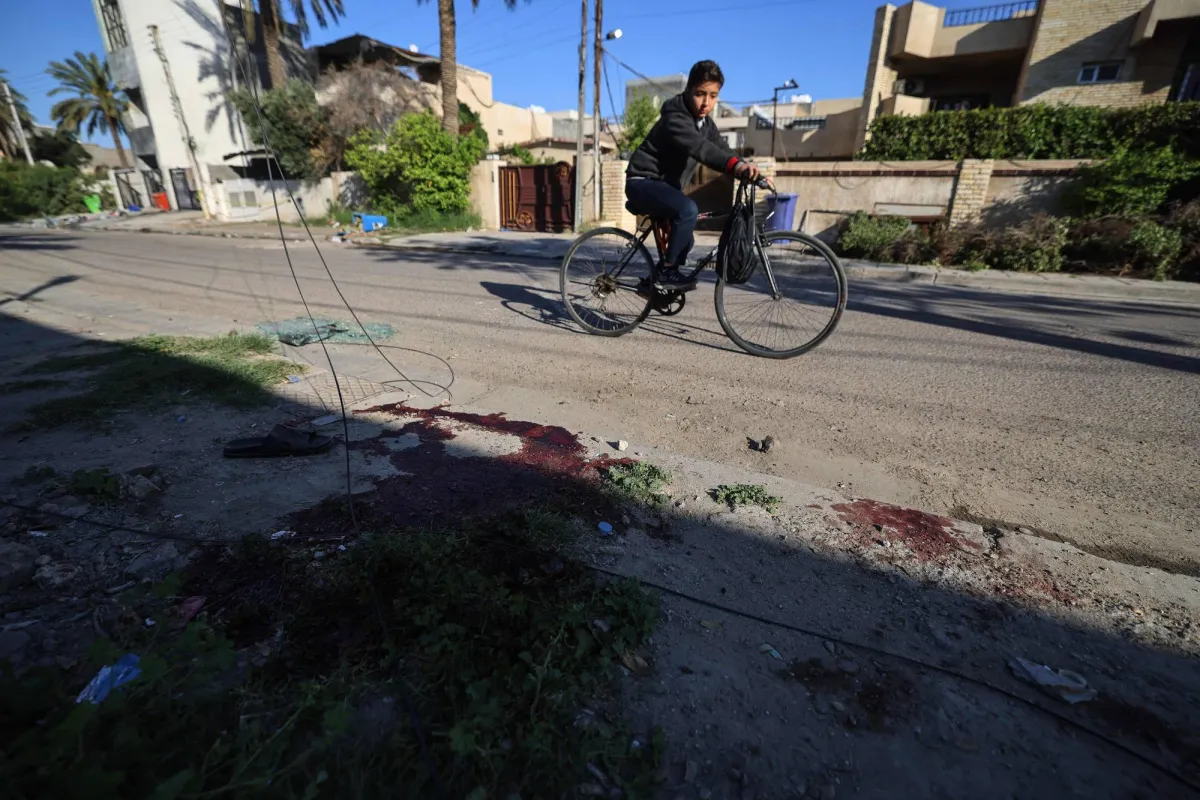
Iraqis breathed a sigh of relief after a night filled with serious security events preceding the announcement of the ceasefire between the United States and Iran. More than 10 areas in Baghdad were subjected to missile attacks and airstrikes, resulting in the deaths of two civilians and injuries to dozens, in addition to attacks targeting sites belonging to the Popular Mobilization Forces.
Despite the Iraqi government's declaration of its neutral stance in the conflict between Washington and Tehran, Iran-aligned factions have dragged Iraq into the fray, with the country experiencing over 1000 strikes and missile attacks. These attacks included US air operations targeting sites belonging to the Popular Mobilization Forces and armed factions, as well as assaults carried out by these factions on civilian, diplomatic, and oil sites in various regions, with the Kurdistan Region bearing the brunt of the assaults.
Details of the Event
This active engagement in the conflict has cast a dark shadow over the situation in Iraq, where fears have gripped the population, and commercial and financial activities have come to a standstill. Concerns have also increased regarding the loss of essential services, particularly those related to electricity and fuel.
The Iraqi Foreign Ministry welcomed the announcement of the ceasefire, considering this step a positive development that contributes to reducing tensions and consolidating security in the region. The ministry reaffirmed its support for any regional and international efforts aimed at containing crises and promoting dialogue and diplomacy.
Background & Context
While most political actors welcomed the cessation of hostilities, many Shiite parties and groups rushed to congratulate Iran on what they described as a "victory" in the war. In this context, the head of the Executive Council of the Nujaba Movement, Nazim Al-Saidi, reiterated that "the weapon of resistance will not be surrendered," indicating the ongoing division between government authorities and Iran-aligned armed factions.
Observers note that the challenges facing Iraq after the end of the war remain, as the possibility of renewed conflict persists. A source close to the Coordination Framework indicates that matters could become more complicated if no understanding is reached with Tehran regarding the armed factions' file.
Impact & Consequences
With the ceasefire in effect, the Iraqi government is focusing on revitalizing the economy by accelerating oil exports, which account for 95% of the country's financial resources. Estimates suggest that Iraq may have incurred losses ranging between $6 billion and $10 billion during the war period, which will significantly impact the national economy in the coming months.
The Basra Oil Company announced the potential to resume production of two million barrels of oil within hours, reflecting efforts to restore economic activity. The Joint Operations Command also announced the resumption of operations at all Iraqi airports and the return of flights, after completing the necessary security procedures.
Regional Significance
The political partnership in Iraq, especially between Shiite and Kurdish components, remains hostage to disagreements over presidential candidates. With a temporary government lacking full powers, the path to completing constitutional entitlements remains complex and requires genuine internal consensus.
Nevertheless, life has returned to the Iraqi parliament following the announcement of the ceasefire, where lawmakers held a regular session and voted to form parliamentary committees to continue legislative work. This step reflects Iraq's desire to restore its political and economic stability.