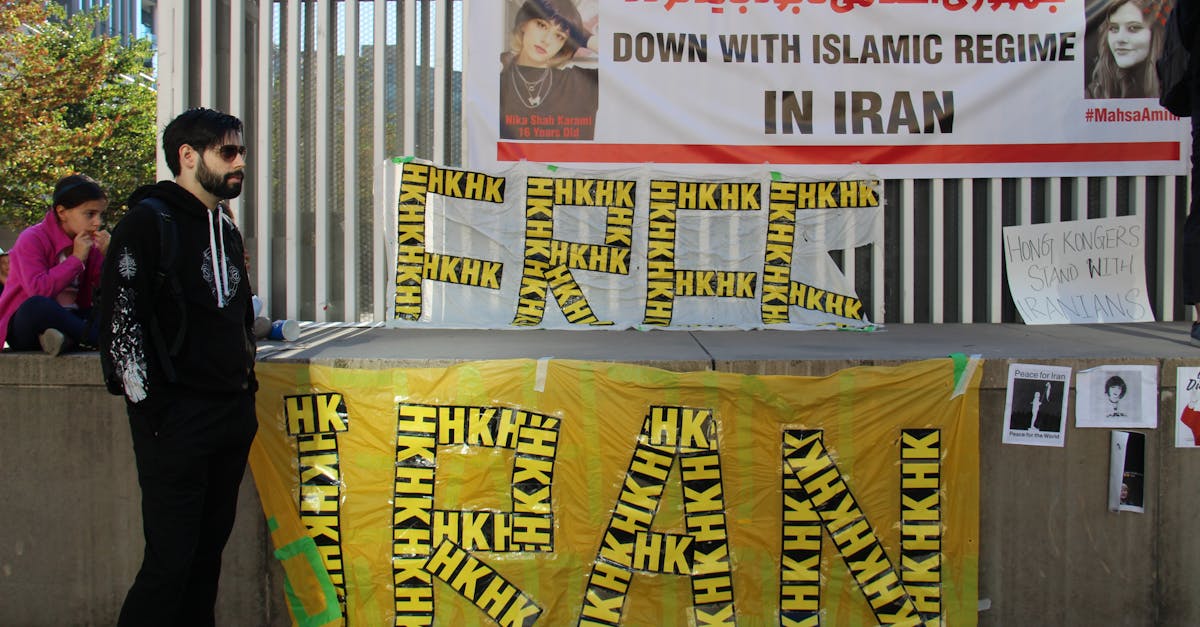
The United Nations welcomed the announcement of a ceasefire between the United States and Iran, reflecting diplomatic efforts aimed at calming regional tensions. This step comes at a critical time as the international community seeks to enhance stability.
This initiative follows a prolonged period of escalation between the two countries, with relations between Washington and Tehran experiencing increasing tensions in recent years. The UN Secretary-General emphasized the importance of this announcement in promoting peace and security in the region, stressing the need for continued dialogue among the parties involved.
Details of the Ceasefire
The United States and Iran announced a ceasefire following a series of clashes that exacerbated the situation in the region. This agreement was reached after intensive negotiations, marking a turning point in relations between the two countries. This development reflects the desire of both parties to avoid further military escalation.
The United Nations also expressed hope that this agreement would help open channels for dialogue between the two sides, potentially leading to a reduction in tensions and achieving stability in the region. This announcement is seen as a positive step towards achieving peace, providing an opportunity for diplomatic efforts to restart.
Background & Context
Historically, relations between the United States and Iran have been marked by increasing tensions since the Iranian Revolution in 1979. Divergent policies between the two sides have escalated crises, including economic sanctions and proxy wars in the region. However, this new step may indicate a possibility of change in this trajectory.
In recent years, there have been multiple attempts to reach a nuclear agreement between Iran and major powers, but these efforts have not achieved the desired success. The ceasefire comes in this context as a new opportunity to rebuild trust between the two sides, which could contribute to greater stability in the region.
Impact & Consequences
The ceasefire between the United States and Iran is a significant step that could positively affect the situation in the Middle East. This agreement may lead to a reduction in military tensions, allowing neighboring countries to focus on development and prosperity issues.
This development could also encourage other countries in the region to take similar steps towards dialogue and cooperation, enhancing the prospects for peace in conflict areas. The international community views this step as a historic opportunity to change the course of events in the region.
Regional Significance
The relations between the United States and Iran have a significant impact on the security and stability of Arab countries. The ceasefire may help reduce tensions in conflict areas such as Iraq and Syria, where the interests of both sides overlap significantly.
This step may also affect the relations between Arab countries and Iran, potentially opening the door for broader dialogue among the concerned parties. Under these circumstances, many are looking forward to positive outcomes that may result from this agreement.
In conclusion, the announcement of a ceasefire between the United States and Iran represents an important step towards achieving peace and stability in the region. The international community hopes that this initiative will contribute to enhancing dialogue and cooperation among nations, opening new horizons for peace.