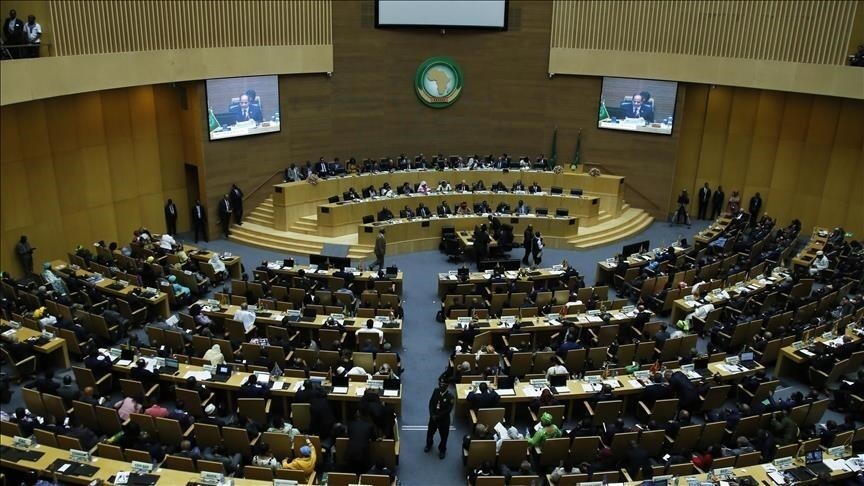
The African Union has expressed its approval of the ceasefire mediated by Pakistan in the US-Israel-Iran conflict, pointing out the adverse effects this conflict has had on the economies of African nations. This announcement comes at a time when the continent is suffering from increased costs of fuel and essential goods, putting additional economic pressure on citizens.
The conflict has caused significant disruptions in fuel supplies, affecting transportation and trade in many African countries. The African Union noted that these disruptions could exacerbate the economic crises faced by African nations, necessitating the search for sustainable diplomatic solutions.
Details of the Ceasefire
The region has witnessed escalating tensions between the United States and Israel on one side and Iran on the other, leading to military escalations that have impacted regional stability. With the announcement of the ceasefire, the African Union hopes this will pave the way for diplomatic efforts aimed at achieving peace and stability in the region.
This truce is seen as a positive step given the current circumstances, as African nations seek to enhance cooperation among themselves to tackle the economic challenges that have worsened due to the conflict. Many African countries have expressed their readiness to participate in mediation and support efforts to achieve peace.
Background & Context
Historically, relations between the United States and Iran have been marked by ongoing tensions, with the US accusing Iran of supporting armed groups in the region. Conversely, Iran seeks to bolster its regional influence, intensifying the conflict. These tensions have had negative repercussions on the global economy, including significant fluctuations in oil prices.
In recent years, African countries have experienced rising fuel prices due to global market volatility, which has impacted living costs. The African Union indicated that these conditions require a swift response from African nations to ensure the stability of their economies.
Impact & Consequences
The ceasefire is considered an important step toward achieving stability in the region, as it could alleviate economic pressures on African nations. However, the biggest challenge remains how to achieve lasting peace that ensures these crises do not recur in the future.
The next phase for African nations requires strengthening cooperation among themselves and developing effective strategies to address economic challenges. There must also be coordinated efforts to enhance security and stability in the region, contributing to improved living conditions for citizens.
Regional Significance
The ceasefire represents an opportunity to bolster diplomacy and achieve stability in a region plagued by ongoing tensions. It underscores the importance of collaborative efforts among African nations to navigate the complexities of international conflicts and their local impacts.
In conclusion, the African Union's endorsement of the ceasefire highlights a critical moment for diplomatic engagement and economic recovery in Africa, emphasizing the need for sustained efforts to foster peace and stability.