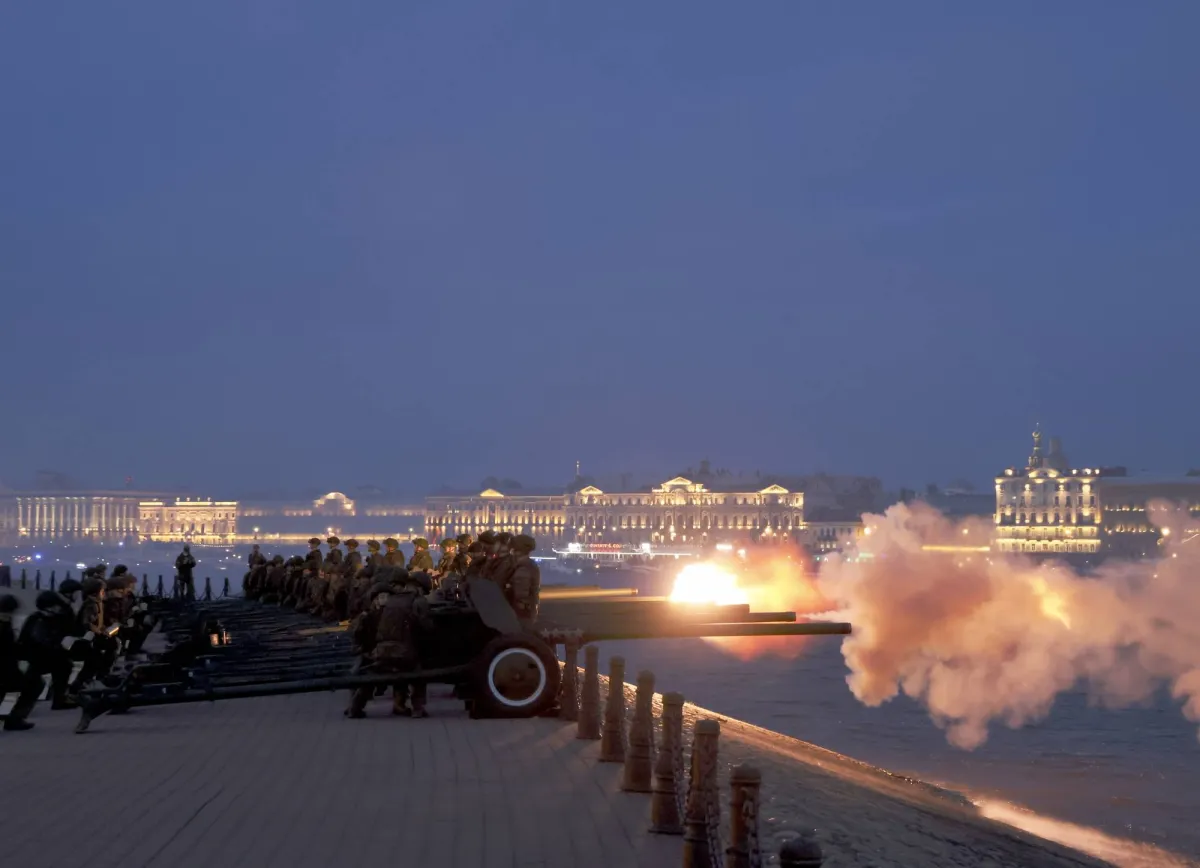
Russia and Ukraine have reported multiple violations of the ceasefire declared under the auspices of U.S. President Donald Trump, jeopardizing peace settlement efforts. Despite these violations, U.S. diplomatic moves remain ongoing in an attempt to revive negotiations between the two sides.
The ceasefire, which lasted for three days, began on May 9, with the aim of easing tensions and preventing escalation of the conflict. However, both sides exchanged accusations of widespread violations, raising concerns about the sustainability of this ceasefire.
Details of the Event
During the celebrations of the "Victory Day" over Nazism in Russia, both parties agreed to a ceasefire, allowing the holiday to pass peacefully. However, mutual threats between Moscow and Kyiv were evident, with Ukraine threatening to send drones to celebrate, while Russia responded by threatening comprehensive attacks on Ukrainian decision-making centers.
Just one day after the ceasefire began, the Russian Ministry of Defense confirmed that Ukraine violated the agreement by launching drones and artillery shelling. The ministry reported that it shot down 57 drones within 24 hours and stated that Russian forces responded similarly to the Ukrainian attacks.
Background & Context
These developments come at a sensitive time, as the U.S. president seeks to enhance his role as a mediator in the conflict. The Kremlin indicated that U.S. envoys Steve Witkoff and Jared Kushner may visit Moscow soon, reflecting Washington's interest in reviving negotiations.
Despite this, the Russian position appears to remain firm, with Russian presidential spokesman Dmitry Peskov asserting that Russia will emerge victorious from this "special military operation." Yuri Ushakov, an aide to the Russian president, also noted that any settlement would not be achieved without the withdrawal of Ukrainian forces from Donbas.
Impact & Consequences
These violations demonstrate that the ceasefire remains fragile, reflecting the complexities of the military and political situation. Continued violations could exacerbate the situation, hindering any serious diplomatic efforts.
On the other hand, Russian President Vladimir Putin expressed his belief that the Ukrainian conflict is heading towards its end, indicating the West's failure to deliver a crushing defeat to Russia. This statement reflects Moscow's confidence in its position, but it may have negative implications for peace efforts.
Regional Significance
The developments in the Ukrainian conflict are of significant importance to the Arab region, as they could affect international relations and regional balances. Additionally, the continuation of the conflict may lead to rising energy prices, impacting Arab economies that heavily rely on oil.
In conclusion, attention remains focused on U.S. diplomatic moves amid ongoing violations that threaten any hopes for achieving a peaceful settlement.