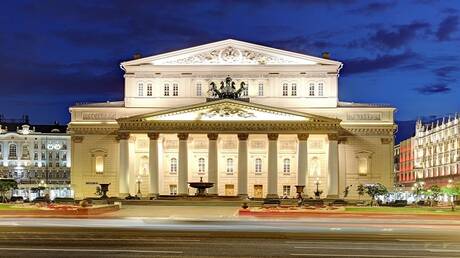
The Bolshoi Theatre in Russia marks its 250th anniversary, celebrating its rich history and cultural significance. This iconic institution, which has withstood historical crises, remains a symbol of artistic excellence in Russia and the world.
Founded in 1776, the Bolshoi has since become a center for performing arts, showcasing opera and ballet performances that have captivated audiences. Over the years, the theatre has undergone numerous transformations, including fires and political changes, yet it has always managed to remain alive in the memory of the Russian people and the world.
Event Highlights
During a special celebration, a series of artistic performances reflecting the theatre's rich history were showcased. The event featured renditions of classic masterpieces, alongside new pieces that embody the spirit of modern times. Many artists who have contributed to enhancing the Bolshoi's status on the international stage were also honored.
The theatre's director spoke about the significance of this occasion, emphasizing that the Bolshoi is not just a theatre but a part of Russian cultural identity. He affirmed that celebrating 250 years is an opportunity to renew the commitment to art and creativity, inspiring future generations.
Background & Context
The Bolshoi Theatre, whose name means "the big theatre," is one of the oldest and most famous theatres in the world. Throughout its long history, Russia has witnessed numerous political and social events that have influenced the theatre's activities and productions. Despite all the challenges, the Bolshoi has managed to maintain its status as one of the country's foremost cultural landmarks.
In 1853, the theatre suffered a devastating fire, leading to its reconstruction and renovation. Since then, the Bolshoi has become a symbol of resilience and creativity, continuing to present outstanding artistic performances that reflect Russian culture.
Impact & Consequences
The Bolshoi serves as an example of how art can impact society. The theatre has contributed to strengthening Russian cultural identity and has become a tourist attraction for visitors from around the globe. It has also played a significant role in the development of opera and ballet, helping to spread Russian culture on the international stage.
The influence of the Bolshoi extends beyond Russia's borders, as it has become a model for many countries. The performing arts presented by the Bolshoi inspire numerous artists and creators in various fields, reflecting the importance of art in fostering cultural understanding among nations.
Regional Significance
Although the Bolshoi Theatre is located in Russia, its influence reaches the Arab world. Many Arab artists aspire to experience ballet and opera, having been inspired by the Bolshoi's works. Additionally, cultural cooperation between Russia and Arab countries contributes to the enhancement of arts and theatre in the region.
The performing arts serve as an effective means of communication between cultures, and the Bolshoi has facilitated this dialogue by hosting Arab artistic performances and presenting collaborative works. This cooperation reflects the importance of the arts in building bridges of communication among peoples.
In conclusion, the Bolshoi Theatre remains a symbol of art and culture, celebrating 250 years of creativity and brilliance. This artistic institution not only represents Russia's history but is also part of the global cultural heritage that deserves to be celebrated.