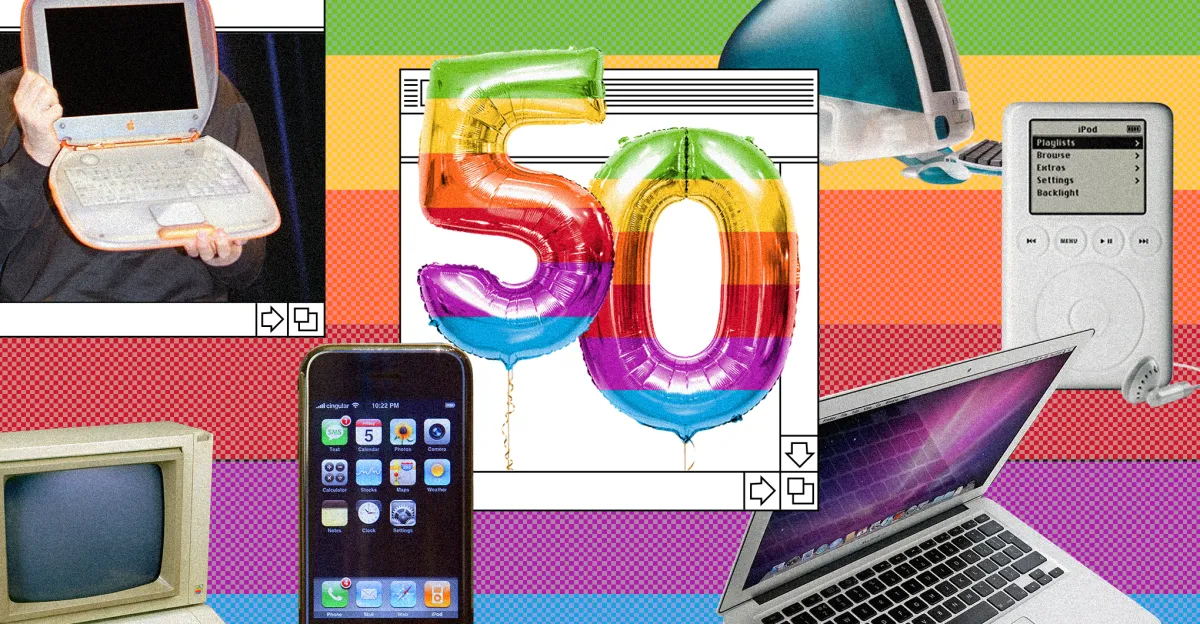
On April 1, 1976, Apple Computer was founded, entering history as one of the most influential companies in the tech world. Today, Apple is considered one of the most valuable companies globally, having introduced a range of products that have become an integral part of our daily lives, such as the iPhone and iPad, along with nostalgic products like the iPod Mini and PowerBook.
Over the past fifty years, Apple has experienced numerous fluctuations, yet it has managed to leave its mark on every aspect of our relationship with technology and culture, from entertainment to health and accessibility. In this context, The Verge has taken a look at the tech giant's impact over the past five decades, from the victories and failures of the Steve Jobs era to its current emergence as a dominant force in antitrust matters.
Event Details
Apple was founded by Steve Jobs and Steve Wozniak, starting humbly in Jobs' garage. Over time, the company transformed into a symbol of innovation, introducing the first personal computer with a graphical user interface, the Macintosh, which forever changed the concept of computers. Since then, Apple has continued to deliver innovative products, allowing it to lead the market.
Today, Apple is regarded as a leading company in the tech industry, with a market value in the hundreds of billions of dollars. However, its journey has not been without challenges, including legal disputes regarding its practices in the App Store, which have sparked widespread controversy over antitrust issues.
Background & Context
Apple was founded during a time when the tech industry was in its infancy, with personal computers still in their early stages. With the emergence of the Internet and rapid technological advancements, Apple has adapted to these changes and innovated products that meet consumer needs. By introducing the iPhone in 2007, Apple redefined the concept of smartphones, securing a prominent place in the market.
Over the years, Apple has faced numerous challenges, including fierce competition from companies like Samsung and Google. Nonetheless, the company has managed to maintain customer loyalty by offering high-quality products and a unique user experience.
Impact & Consequences
Apple's influence extends beyond just the products it offers. It has contributed to shaping modern tech culture, where the use of smart devices has become an essential part of our daily lives. Additionally, Apple has played a significant role in fostering innovation across various fields, including education, entertainment, and health.
However, Apple's success has not been without criticism, as the company faces increasing scrutiny over its business practices, particularly regarding antitrust issues. These matters could impact the company's future as governments worldwide seek to better regulate the tech market.
Regional Significance
In the Arab region, Apple has significantly influenced lifestyle and technology. With the increasing use of smartphones and tablets, Apple products play a prominent role in education and entertainment. Many Arab youth view Apple products as symbols of innovation and excellence.
However, Apple faces challenges in the region, including competition from local and global companies, as well as issues related to pricing and technical support. Despite this, Apple remains one of the most popular brands in the Arab world.
In conclusion, Apple represents more than just a tech company; it is a symbol of innovation and change. As it marks fifty years since its founding, Apple remains at the forefront of the tech industry, prompting us to wonder about its future and what it will offer us in the coming years.