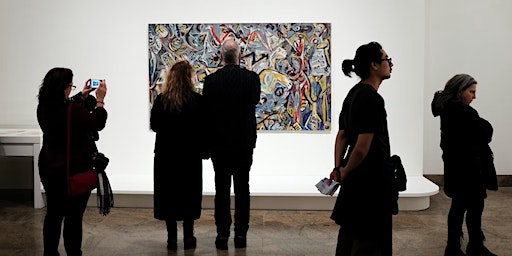
New York City is currently hosting a distinguished exhibition honoring the renowned Italian artist Raphael, marking the 500th anniversary of his death. This exhibition, considered one of the city's most prominent cultural events, showcases a diverse collection of his works that demonstrate his profound impact on Western art.
Raphael, born in 1483 and died in 1520, is regarded as one of the greatest artists of the Renaissance. His artistic style is characterized by balance and harmony, which has made him a subject of admiration among critics and artists throughout the ages. The exhibition in New York offers visitors the opportunity to explore his magnificent works, including paintings and drawings that reflect his artistic genius.
Event Details
The exhibition features over 100 artworks, including some of Raphael's most famous paintings such as The School of Athens and The Virgin and Child. It also includes preparatory drawings and previously unseen artworks, providing visitors with a unique insight into his creative process. The exhibition is organized in collaboration with major museums in Italy, reflecting Raphael's significance in the global cultural heritage.
The exhibition will continue until the end of the year, attracting visitors from around the world, including art enthusiasts and researchers. This event is considered an opportunity to enhance awareness of classical art and its importance in shaping contemporary culture.
Background & Context
Raphael is one of the pillars of Italian Renaissance art, alongside Leonardo da Vinci and Michelangelo. This period was marked by artistic innovations and new techniques that transformed the course of art. Raphael was known for his ability to blend classical elements with new styles, making him a symbol of beauty and balance.
Historically, Raphael's works were seen as embodiments of ideal art, as he sought to portray divine beauty in his creations. His influence extended beyond his era, continuing to impact subsequent generations of artists, making him a central figure in the study of art history.
Impact & Consequences
The exhibition demonstrates how art can serve as a bridge between cultures and eras. By highlighting Raphael's works, the exhibition enhances global understanding of art and encourages cultural dialogue. It is also an opportunity to reflect on how art influences society and how it can play a role in promoting human values.
Additionally, the exhibition boosts cultural tourism in New York, attracting visitors from various parts of the world, contributing to local economic support, and enhancing the city's status as a global cultural hub.
Regional Significance
Although Raphael belongs to European heritage, his influence extends to the Arab world through contemporary arts. Many Arab artists have been inspired by his style, reflecting the intermingling of cultures in the art world. The exhibition in New York is considered an opportunity for Arab visitors to engage with this artistic heritage.
Cultural events like this enhance the importance of the arts in building bridges between different cultures, promoting mutual understanding, and contributing to cultural dialogue between the Arab world and the Western world.
In conclusion, the Raphael exhibition in New York is a celebration not only of a great artistic legacy but also of cultural connectivity and the impact of art on societies throughout the ages.