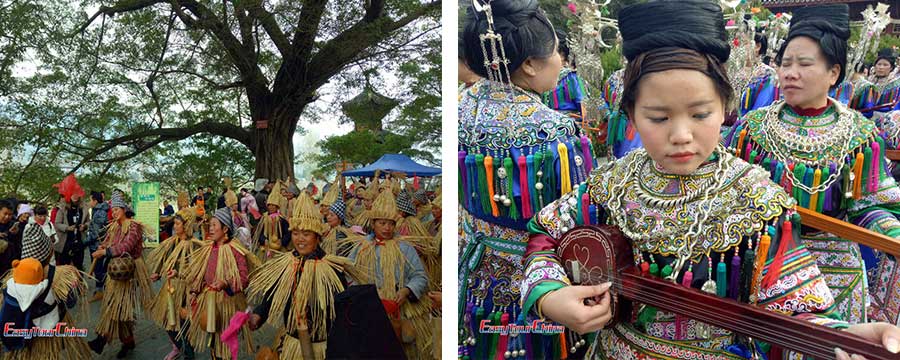
The Sima Festival has kicked off in Rongjiang, Guizhou Province, China, celebrating the historical heroine Sima, who is regarded as a symbol of womanhood in Dong culture. This festival is held annually and attracts numerous local and international visitors, aiming to promote the cultural heritage of the tribe.
Sima is a pivotal figure in the history of the Dong people, representing values of courage and sacrifice. The Sima Festival was inscribed as part of China's national intangible cultural heritage in 2006, reflecting the significance of this event in preserving the cultural identity of the tribe.
Event Highlights and Activities
The Sima Festival features a variety of cultural and artistic activities, including musical performances and traditional dances, alongside exhibitions showcasing local handicrafts. Sports competitions reflecting the cultural heritage of the Dong people were also organized, adding an atmosphere of excitement and interaction among participants and visitors.
The festival witnessed a large turnout of tourists eager to enjoy the festive atmosphere and learn about the rich Dong culture. Many visitors expressed their admiration for the unique traditions of this people, enhancing the festival's status as a prominent tourist destination in China.
Background & Context
Historically, the Dong people are considered one of the ancient tribes in China, characterized by their unique traditions and a lifestyle based on agriculture and handicrafts. They are also known for constructing traditional villages and wooden houses, reflecting their deep connection to nature. The Sima Festival is one of the means used to preserve these traditions and pass them on to future generations.
In recent years, China has seen a growing interest in preserving cultural heritage, with many cultural events and practices being included in the intangible cultural heritage list. The Sima Festival is a vivid example of this trend, demonstrating how culture can play a role in enhancing national identity.
Impact & Consequences
The Sima Festival enhances cultural awareness among new generations, serving as an opportunity to educate youth about their history and heritage. It also contributes to promoting cultural tourism in the region, benefiting the local economy through increased visitor numbers and stimulating business activities.
Moreover, the festival serves as a platform for cultural exchange, bringing together diverse cultures and allowing visitors from around the world to learn about Dong traditions. This cultural interaction fosters mutual understanding and contributes to building bridges of communication between peoples.
Regional Significance
Despite the distance, the Sima Festival highlights the importance of preserving cultural heritage worldwide. In the Arab region, cultural traditions are considered an essential part of national identity, underscoring the need to organize similar events that promote pride in cultural heritage.
Arab countries can benefit from the experience of the Sima Festival in enhancing cultural tourism, as they can organize festivals showcasing the cultural and historical diversity of the region, contributing to attracting tourists and boosting the local economy.