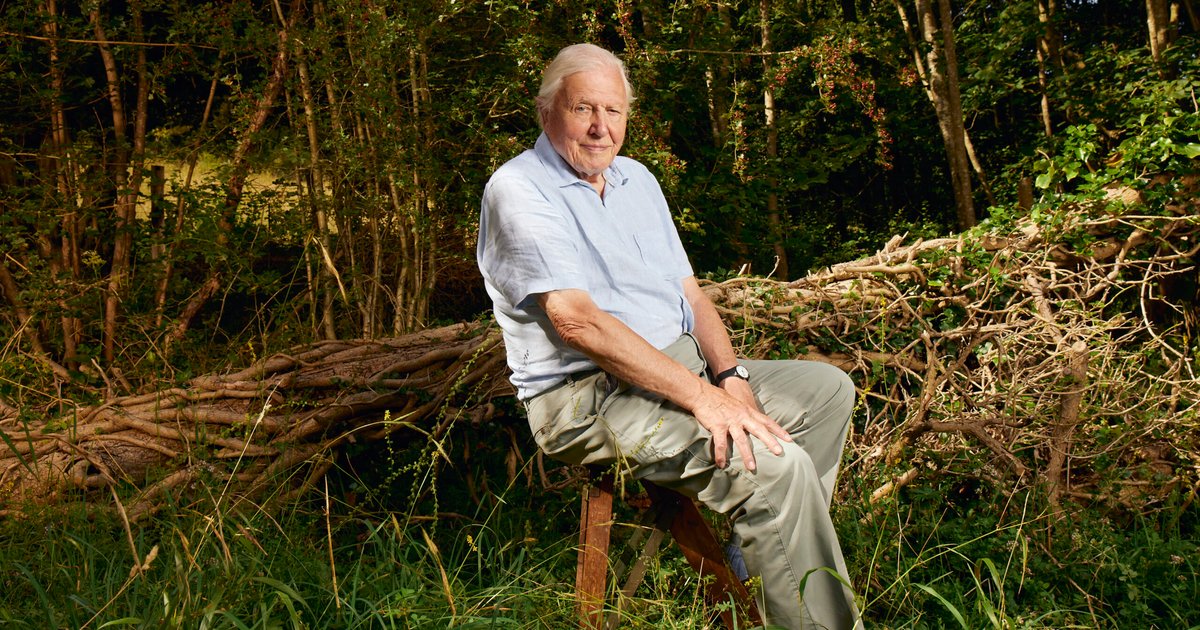
Next week marks the centenary celebrations of renowned British natural historian David Attenborough, featuring a new show that delves into his iconic 1979 series, Life on Earth. This presentation offers deeper insights into his adventures in the natural world.
The Life on Earth series is considered a pioneering work in nature documentaries, showcasing live footage of mountain gorillas in Rwanda, which solidified Attenborough's status as a leading voice in environmental conservation. The new show includes additional scenes, such as a baby gorilla climbing on Attenborough and a tiger in the act of hunting.
Event Details
In the new show, Attenborough reads from his diaries kept during filming, recounting how the crew was held hostage by the Rwandan army and threatened in Iraq during the regime of Saddam Hussein. The crew discusses the challenges they faced while preparing for outdoor shoots, where messages took weeks to arrive, increasing their anxiety about getting precious film footage back to Britain.
The show also features additional details about their search for a fish in the Indian Ocean often referred to as living fossils. They finally managed to film the coelacanth after a fisherman accidentally caught it and informed the crew after its release. Attenborough humorously remarked, "This was the first time it was filmed alive, but just barely."
Background & Context
David Attenborough was born on May 8, 1926, in London, and began his career at the BBC in 1952. Two years later, he got his big break with the show Zoo Quest, which he presented after the original candidate fell ill during the first filming. Attenborough moved to BBC management but decided in his late forties to return to producing nature programs, presenting the idea for Life on Earth, which traces the story of evolution.
Before filming, which lasted three years, Attenborough wrote all the scripts for 13 hours of the program. He is known for having defined the concept of natural history and how we perceive the world, as confirmed by Victoria Poppin, producer and director of the new show.
Impact & Consequences
The Life on Earth series is a turning point in nature documentaries, changing how wildlife is viewed. Mike Gunton, creative director of the natural history unit at BBC, noted that "everything we did was a remake of Life on Earth. This shift in style significantly impacted how environmental information is presented to the public.
The centenary celebrations for Attenborough also include a new show titled The Secret Garden, a musical event in London, and activities in museums across Britain to celebrate this natural historian's birthday.
Regional Significance
David Attenborough's efforts in environmental conservation and public awareness about nature issues are particularly significant for the Arab region, where many countries face environmental challenges such as desertification and climate change. Attenborough's stories can inspire new generations in the Arab world to work towards protecting the environment.
In conclusion, celebrating David Attenborough's centenary is an opportunity to appreciate his significant contributions to the field of nature and reflects the importance of preserving biodiversity in our world today.