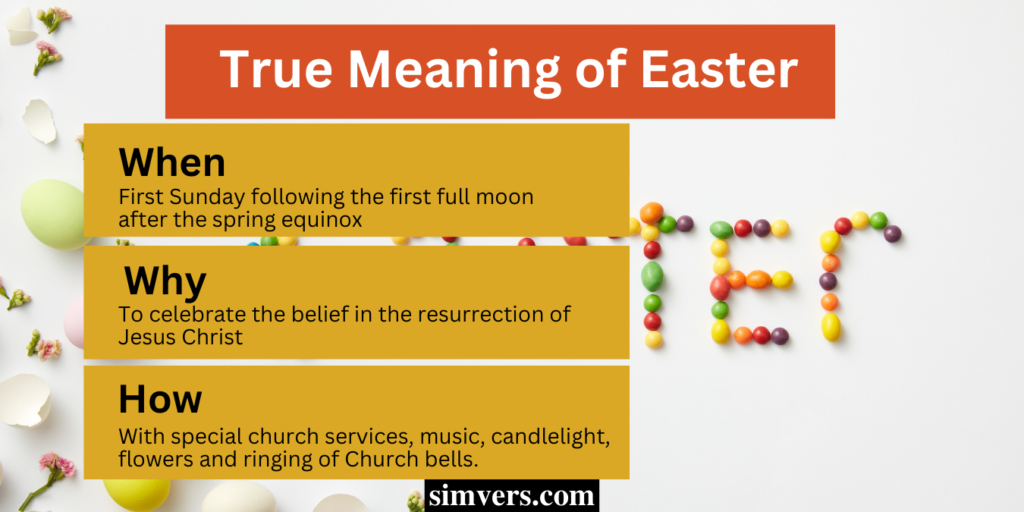
On April 5th, Catholics and Protestants celebrate Easter, the oldest and most significant holiday in Christianity, commemorating the resurrection of Christ after a week of fasting. Meanwhile, Orthodox Christians observe this holiday a few days later.
Easter is a religious occasion that holds deep meanings for Christians, symbolizing hope and renewal. The celebration includes special religious rituals such as mass, egg decorating, and exchanging greetings among family and friends. This holiday is an opportunity to reflect on the meanings of life and death, reflecting Christians' belief in God's ability to restore life.
Details of the Event
The Easter celebrations begin after the conclusion of Holy Week, which is considered a period of reflection and fasting for Christians. During this week, the events leading up to Christ's crucifixion and death are remembered, giving Easter a special significance. On Sunday, believers gather in churches to perform mass, celebrating the resurrection of Christ, which is seen as a new beginning.
Methods of celebrating Easter vary among Christian denominations. In Catholic and Protestant churches, special prayers are held, and hymns are sung that highlight the joy of the resurrection. In Orthodox churches, celebrations include unique rituals, such as lighting candles and chanting traditional hymns.
Background & Context
The roots of Easter date back to the early days of Christianity, where it is considered a central symbol of the Christian faith. The holiday refers to the resurrection that occurred after Christ's crucifixion, a pivotal event in Christian doctrine. Historically, Easter was celebrated at the beginning of spring, reflecting its association with renewal and new life.
Over the centuries, Easter traditions have evolved, incorporating many cultural customs, such as egg decorating, which symbolizes new life. In many cultures, colored eggs are an essential part of the celebrations, serving as a symbol of fertility and renewal.
Impact & Consequences
Easter is seen as an opportunity to strengthen family and social bonds, as family and friends gather to celebrate together. The holiday also enhances spiritual values among Christians and encourages reflection on the meanings of life and forgiveness. Amid the challenges facing communities, Easter serves as a reminder of the importance of hope and renewal.
The impacts of Easter extend beyond the religious aspect, as the celebrations provide an opportunity to foster understanding between different cultures. In many countries, Easter is celebrated jointly by Christians and non-Christians, reflecting a spirit of tolerance and coexistence.
Regional Significance
In the Arab region, where historical Christian communities exist, Easter is an important occasion that reflects cultural and religious diversity. Special celebrations are held in many Arab countries, such as Lebanon, Palestine, and Egypt, where Christians participate in their religious rituals and express their joy for the holiday.
These celebrations serve as an opportunity to strengthen ties between different communities and highlight the importance of peaceful coexistence among religions. Amid the challenges facing the region, Easter symbolizes hope and renewal, reinforcing the values of love and tolerance.