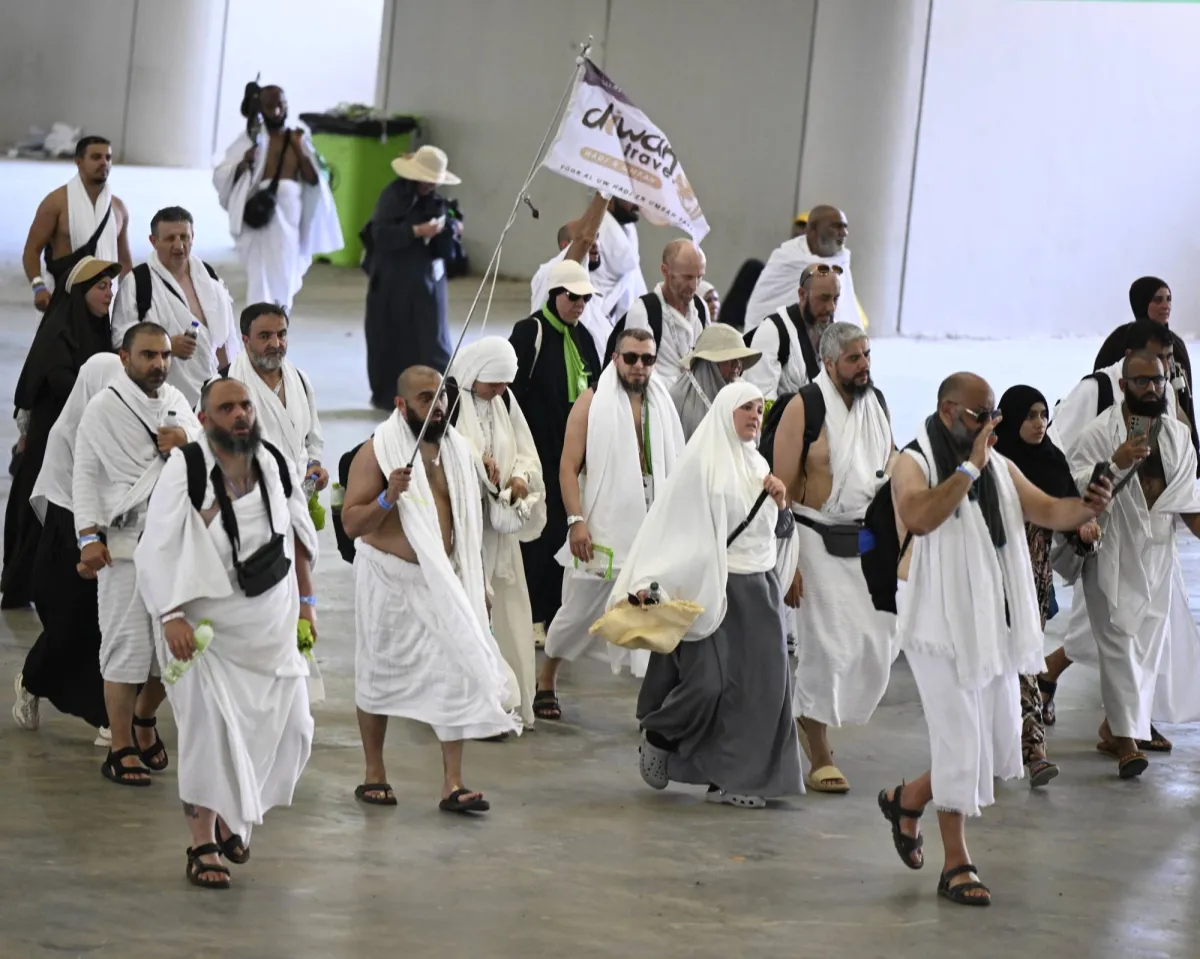
With the dawn of the tenth day of Dhu al-Hijjah, Mina transformed into a joyful scene as pilgrims removed their white ihram garments following the minor release. They gathered to celebrate the blessed Eid al-Adha, filled with joy and gratitude, as various groups welcomed their pilgrims with congratulatory phrases and distributed festive sweets.
The pathways of the camps turned into celebration grounds, with many groups organizing festive lunch banquets featuring diverse dishes from various cultures. The sounds of takbir and tahleel filled the corners, adding a spiritual touch that eased the burdens of the past days for the pilgrims.
Event Details
The camps in Mina were adorned with vibrant colors, as pilgrims exchanged greetings and took commemorative photos. In a unique scene, pilgrims from different nationalities showcased their cultural identities through traditional attire, adding a distinctive character to the celebrations.
Egyptian pilgrim Mustafa Ahmed, dressed in a traditional galabeya, expressed his happiness at being in Mina for the first time, noting that his traditional clothing attracted the attention of many pilgrims. Meanwhile, Indonesian pilgrim Susilo wore the famous batik shirt, expressing pride in his culture.
Background & Context
Pilgrims at the Sacred House of Allah began throwing stones at the Great Jamrah on the first day of Eid al-Adha, amidst meticulous organization by the relevant authorities. This tradition follows the Sunnah of the Prophet Muhammad (peace be upon him), as pilgrims perform this rite after standing at Arafat.
The next day, pilgrims welcomed the first day of Tashreeq, rejoicing in gratitude to Allah for the opportunity to perform the rites of Hajj. The management of the pilgrims' flow was smooth and flexible, facilitating the performance of the rituals.
Impact & Consequences
The Jamrat facility witnessed a high flow of crowds, thanks to coordination among various security agencies. Prince Abdulaziz bin Saud bin Nayef, the Minister of Interior, emphasized the importance of security and organizational integration to ensure the safety of the pilgrims.
This year's Hajj experience was remarkable due to the integrated health and security services, with over 70 medical points activated, reflecting the significant efforts made to ensure the comfort of the pilgrims.
Regional Significance
These celebrations are part of the Islamic identity, where Muslims from all over the world gather in one place. This cultural diversity reflects the strength of Islamic unity and enhances the bonds between Arab communities.
In conclusion, the memories of Eid al-Adha in Mina remain etched in the hearts of the pilgrims, who will return to their homes laden with stories of joy and gratitude.