The 'Wise Men of Muslims' organization emphasizes that Eid al-Fitr represents an important occasion to strengthen values of mercy and tolerance among community members. The organization pointed out that these values play a fundamental role in building human relationships based on love and cooperation, contributing to the enhancement of social peace.
In a statement, the 'Wise Men of Muslims' clarified that Eid al-Fitr follows the holy month of Ramadan, which is considered a month for drawing closer to God through fasting and worship, thereby enhancing the spirit of community and strengthening family and social ties. The holiday is seen as an opportunity to renew relationships between individuals and provide assistance to those in need, reflecting the spirit of giving and tolerance.
Details of the Celebration
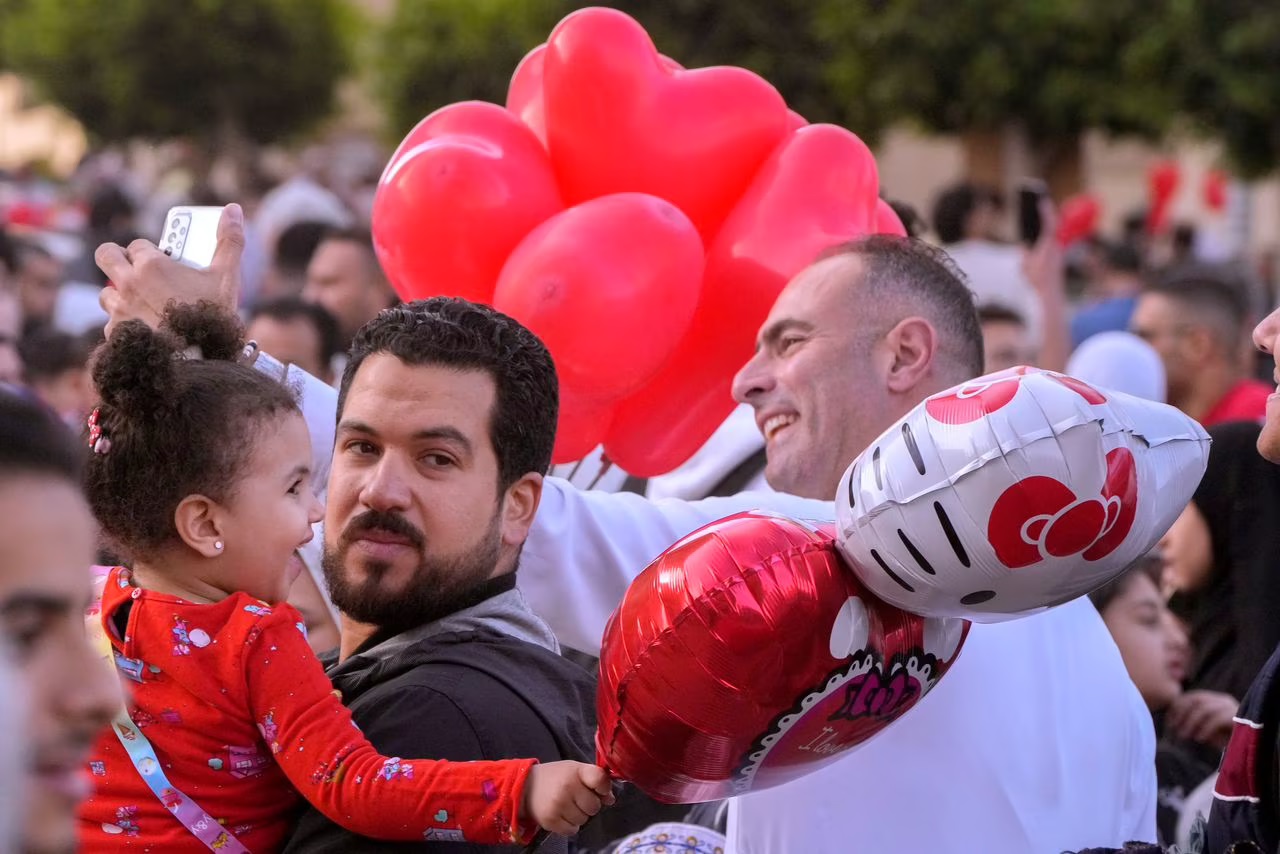
Islamic communities celebrate Eid al-Fitr on the first day of the month of Shawwal, marking the culmination of a month of worship and piety. The celebration is characterized by the performance of the Eid prayer, exchanging congratulations and greetings, and giving gifts, especially to children. Additionally, Eid is an opportunity to connect with family and friends and visit graves to honor the memory of the deceased.
The celebrations of Eid al-Fitr in various Islamic countries showcase cultural diversity, as customs and traditions vary from one country to another. However, the core values of mercy and tolerance remain constant, reflecting the unity of Muslims in their celebrations.
Background & Context
Eid al-Fitr is one of the two major holidays in Islam, occurring after the month of Ramadan, which is regarded as a month of piety and fasting. The first Eid al-Fitr prayer was held in the second year of Hijra, and the holiday symbolizes joy and the celebration of God's blessings. Many scholars have pointed to the importance of Eid in strengthening social bonds and enhancing relationships among Muslims.
Historically, Eid al-Fitr was celebrated in Medina, where the first Eid prayer was conducted in the presence of the Prophet Muhammad (peace be upon him). Since then, the holiday has become a tradition followed throughout the Islamic world, viewed as an opportunity to renew family and social ties.
Impact & Consequences
The 'Wise Men of Muslims' assert that promoting values of mercy and tolerance during Eid al-Fitr has positive effects on communities. These values contribute to reducing conflicts and enhancing understanding among individuals. Furthermore, Eid is seen as an opportunity to promote charitable work, as Muslims give Zakat al-Fitr to assist those in need, thereby reinforcing values of giving and sharing.
Moreover, Eid al-Fitr serves as an opportunity to strengthen the cultural and religious identity of Muslims, as they showcase their unique traditions and customs, enhancing the sense of belonging and loyalty to the community.
Regional Significance
The values of mercy and tolerance during Eid al-Fitr are essential for promoting social stability in the Arab region. Amid the challenges faced by many Arab countries, the holiday is a chance to renew hope and strengthen human connections. The celebration of Eid demonstrates how human values can contribute to building strong and cohesive communities.
In conclusion, Eid al-Fitr is a blessed occasion for renewing social ties and enhancing values of mercy and tolerance, contributing to the establishment of more cohesive and peaceful communities.