The 12th Qumra Film Festival in Qatar is celebrating folklore and supporting humanitarian and realistic themes through a virtual format this year due to the ongoing war in the region. The festival aims to revive folklore and highlight narratives and myths.
Running until April 8, the festival features 49 projects from 39 countries, including 15 submissions from filmmakers in Qatar. The event seeks to enhance cinematic culture in the region and provide a platform for filmmakers to exchange ideas and experiences.
Event Details
Several participating filmmakers at Qumra 12 discussed their artistic projects. Qatari director Kholoud Al-Ali, director of the film The Peacock Queen, stated that her choice to present the film in a fantastical context stems from the belief that animation is an effective tool for expressing imagination in an infinite way. She noted that this type of art allows them to build their own imaginary worlds, inspired by mythical characters in their Gulf culture.
On his part, Qatari director Majid Al-Rumaihi emphasized that his film The Will of the Donkey aims to convey a message regarding contemporary Arab reality through the character of Juha, who symbolizes intelligence and humor in facing challenges. He explained that the film addresses the idea of persecution and the relationship between a person and their past, present, and future through a symbolic story reflecting emotional loss.
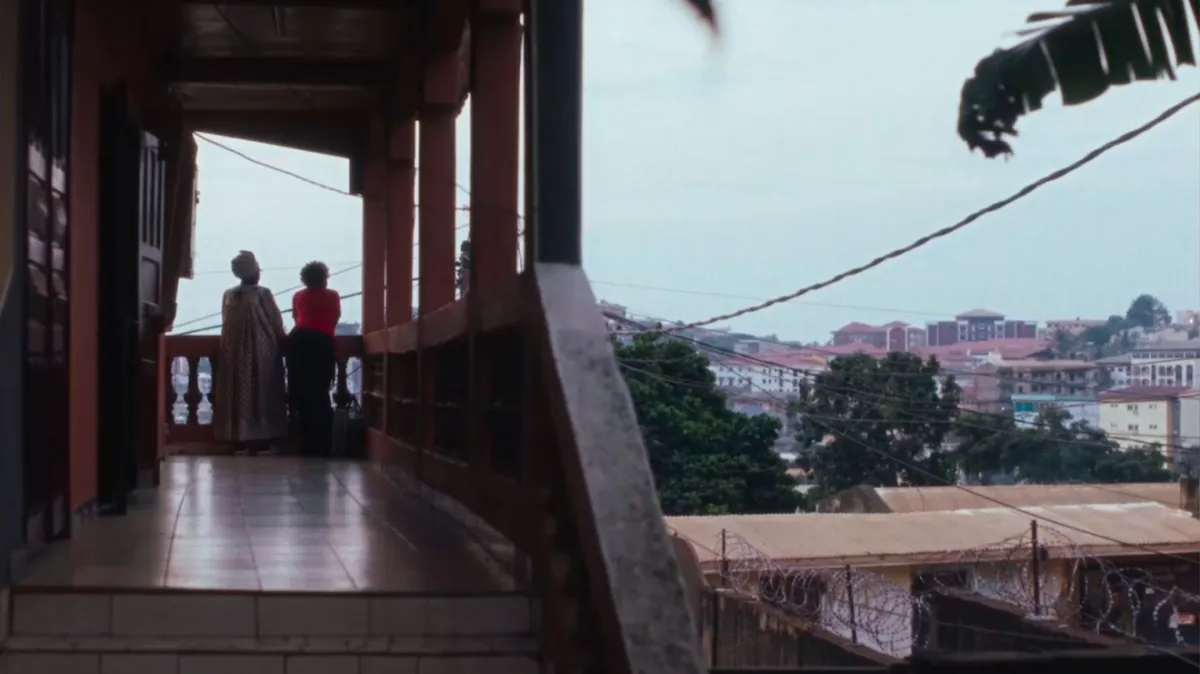
Meanwhile, Palestinian director Mohannad Yaqubi tackled the theme of memory and resistance in his film The Rebels Do Not Die by restoring the works of filmmaker Jocelyne Saab. He pointed out that his interest in this project stemmed from his personal experiences and reflections on the impact of war on artists, and how art can serve as a means to express humanitarian issues.
Context and Background
The Qumra Film Festival is considered an important platform for filmmakers in the Arab world, contributing to the enhancement of cinematic culture and providing opportunities for emerging talents to showcase their work. This year's edition comes at a sensitive time, as the region suffers from multiple conflicts and crises, making folklore and human stories particularly significant topics.
The current edition seeks to shed light on contemporary issues through artistic works, reflecting the challenges faced by Arab society under current conditions. The festival demonstrates how art can be a tool for change and a means of expressing cultural identity.
Impact and Consequences
The participation of 49 projects from 39 countries in this edition highlights the global interest in Arab cinematic art. This cultural diversity reflects the importance of cinema as a means of communication between peoples and enhances opportunities for collaboration among filmmakers in the region and beyond.
Moreover, the focus on folklore and human stories reflects filmmakers' desire to explore their cultural identities, contributing to mutual understanding between different cultures. This trend is a positive step towards promoting Arab cinema on the global stage.
Significance for the Arab Region
This edition comes at a critical time for the region, where many countries are experiencing internal conflicts and humanitarian crises. The Qumra Film Festival shows how art can be a voice for the voiceless and raises awareness of social and humanitarian issues.
Additionally, the emphasis on folklore enhances Arab cultural identity and encourages new generations to explore and express their heritage through art. This festival is an opportunity to renew cultural ties and strengthen cooperation among filmmakers in the Arab world.
In conclusion, the Qumra Film Festival illustrates how art can be a tool for change and a means of expressing cultural identity, reflecting the importance of cinema in enhancing mutual understanding between peoples.