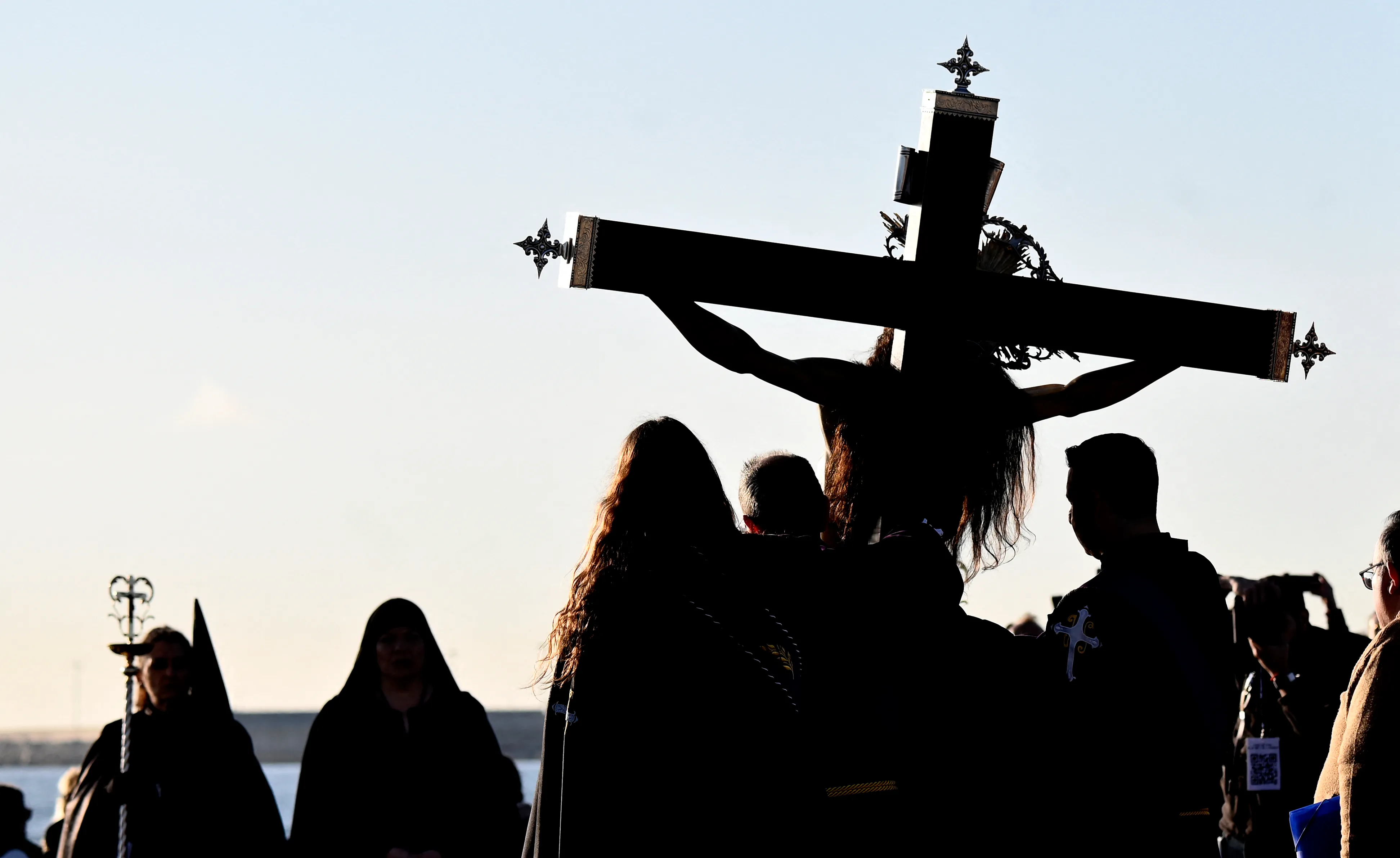
Christian communities across the globe celebrate Good Friday today, a day that symbolizes sorrow and reflection on the crucifixion of Christ. Special religious rituals are held on this day, where believers gather in churches to perform prayers and recite spiritual hymns.
The manifestations of the celebration vary from country to country, as this day is seen as an opportunity to contemplate the meanings of redemption and sacrifice. In many countries, processions and celebrations are organized that reflect the cultural and religious heritage, making Good Friday a unique occasion that blends spirituality with festivity.
Event Details
In the United States, Good Friday celebrations take place in major churches, where thousands participate in special prayers and rituals. Some churches also organize special events that include musical performances and readings from the Bible. In Europe, this occasion is seen as a time for family gatherings, with traditional dinners being part of the celebrations.
In Latin American countries, massive processions are held in the streets, where participants wear traditional clothing and perform rituals that express their struggles and hopes. These processions are a manifestation of faith and collective spirit, combining both religious and social dimensions.
Background & Context
The roots of Good Friday date back to the early centuries of Christianity, where it was considered an occasion to reflect on the meanings of crucifixion and redemption. Over the centuries, rituals and celebrations have evolved to include diverse cultural elements that reflect local traditions. In some cultures, Good Friday marks the beginning of Lent, further enhancing the significance of this occasion.
The celebrations of Good Friday are influenced by various cultural and social factors, with practices differing from one country to another. In some nations, this occasion is seen as an opportunity to strengthen social bonds among individuals and families, while in others, it focuses on the spiritual and religious aspect.
Impact & Consequences
Good Friday serves as an opportunity to enhance spiritual and social values within Christian communities. Through rituals and celebrations, individuals express their faith and strengthen their ties with the community. This occasion is also a time for reflection on social and humanitarian issues, reflecting the communities' commitment to human values.
The celebrations of Good Friday impact religious tourism, as many tourists visit religious and historical sites associated with this occasion. These visits serve as an opportunity to promote cultural and religious understanding among peoples.
Regional Significance
In the Arab region, Good Friday is an important occasion for Christians, with celebrations held in many countries such as Lebanon, Palestine, and Egypt. These celebrations reflect the cultural and religious diversity in the region, where Muslims and Christians live side by side. This occasion is seen as an opportunity to enhance understanding and dialogue between religions.
In conclusion, Good Friday celebrations around the world showcase the richness of cultural and religious heritage, blending spirituality with festivity. This occasion represents a chance to reflect on human values and strengthen social ties, making it a significant event in the religious calendar.