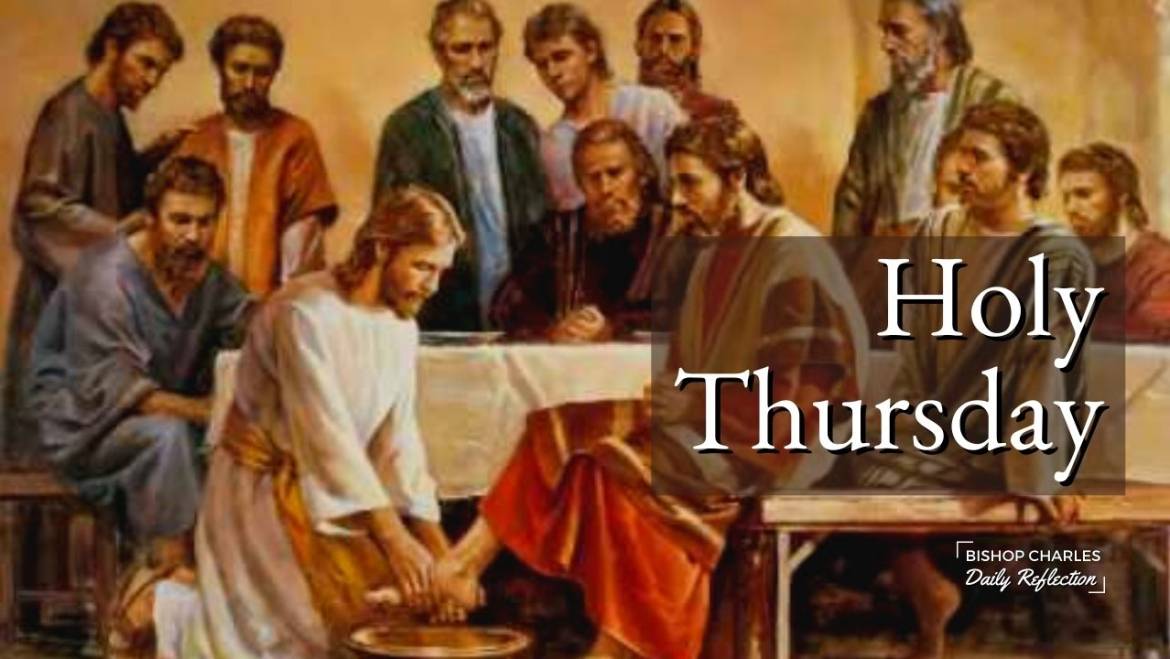
Catholic communities around the world, especially in Indonesia, celebrated Holy Thursday, which marks the beginning of Easter festivities. These celebrations featured traditional religious rituals, where believers revived the practice of foot washing, reflecting the values of humility and service.
On this occasion, Catholics gathered in churches to perform the Holy Thursday Mass, which includes a reminder of Christ's Last Supper with his disciples. These rituals are an essential part of the preparation for the Easter celebration, symbolizing the resurrection of Christ.
Event Details
In Indonesia, churches witnessed a significant turnout of believers who flocked to perform the religious rituals. During the mass, the foot washing ceremony was conducted, where the priest washed the feet of certain individuals as a symbol of humility and service. This practice is derived from the teachings of Christ, who washed the feet of his disciples as a sign of love and humility.
This celebration serves as an opportunity for believers to reflect on the meanings of service and sacrifice, emphasizing the importance of human and community relationships in the lives of the faithful. Images circulated on social media showcased the attendees' engagement with these rituals, reflecting the depth of spirituality that characterizes this occasion.
Background & Context
The roots of Holy Thursday celebrations trace back to the early centuries of Christianity, where it was considered an occasion to remind believers of Christ's teachings. In many cultures, this occasion is celebrated in various ways, but the essence remains the same: to affirm the values of love and humility.
In recent years, the celebrations of Holy Thursday have undergone notable changes, influenced by the social and political conditions in many countries. Nevertheless, these rituals remain a symbol of unity and solidarity among Catholic communities, especially in light of the challenges they face.
Impact & Consequences
The celebrations of Holy Thursday provide an opportunity to strengthen social bonds among community members. These rituals contribute to fostering a sense of belonging and connection among individuals, reflecting the importance of religion in people's lives. Additionally, these celebrations help promote values of peace and love within communities.
Moreover, religious celebrations contribute to enhancing religious tourism, as many tourists visit churches and sacred sites during this period. This supports the local economy and fosters cultural exchange among peoples.
Regional Significance
Although the celebrations of Holy Thursday are primarily centered in Catholic communities, the values of love and humility represented by these rituals can inspire Arab communities. These values can enhance understanding and tolerance among different religions and cultures in the region.
In conclusion, the celebrations of Holy Thursday remain a symbol of spirituality and solidarity, reflecting the importance of religion in the lives of individuals and communities. As Easter approaches, there is hope that these celebrations will promote values of peace and love among people.