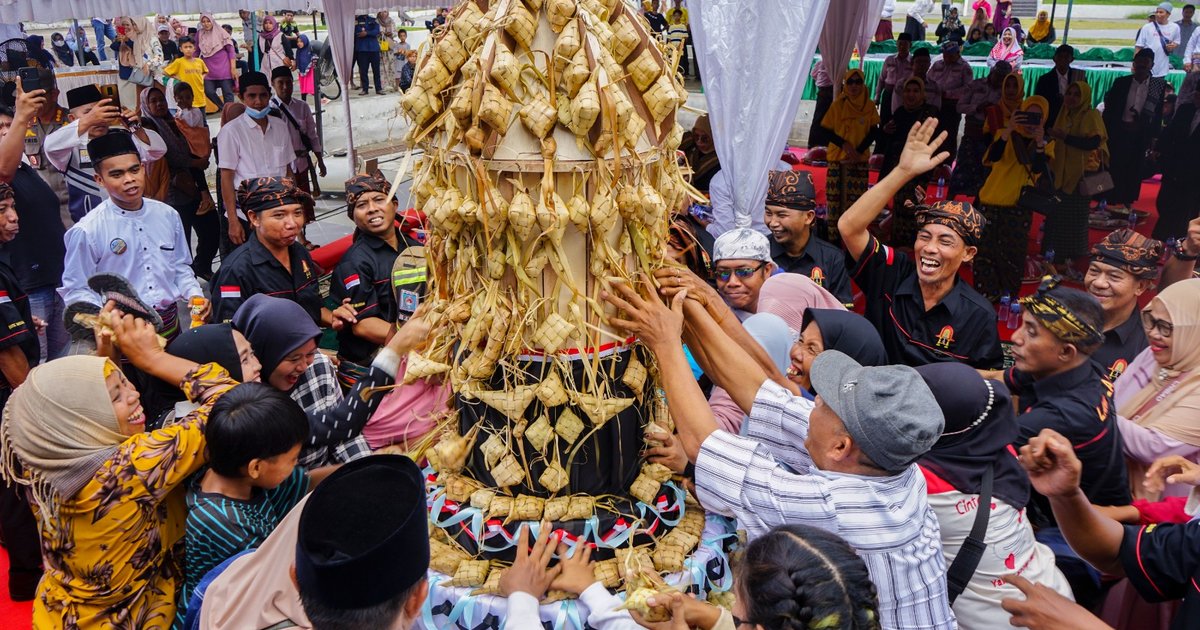
The city of Mataram, the capital of West Nusa Tenggara province in Indonesia, celebrates Lebaran Topat on the eighth day of Shawwal, where local residents gather to honor their unique cultural traditions. This holiday is a special occasion that reflects the cultural and religious diversity of the country, as people come together to exchange greetings and present traditional dishes.
The Lebaran Topat celebrations are marked by a distinctive festive atmosphere, with events taking place in the streets and public squares. People adorn themselves in colorful traditional attire, and delicious food is served, including local delicacies. Numerous cultural and artistic events are also held, showcasing Indonesian heritage.
Event Details
The Lebaran Topat celebrations typically begin early in the morning with a special prayer known as "Takbir," which is considered an essential part of the festivities. This prayer expresses joy and gratitude to God for the blessings of the holiday. Children participate in the celebrations by wearing new clothes and exchanging sweets.
Traditional dishes are an integral part of the Lebaran Topat celebrations, with "Ketupat," a type of rice cooked in palm leaves, being one of the main dishes. This dish is served with a variety of side dishes such as meat and vegetables, adding a special touch to the festivities.
Background & Context
The roots of the Lebaran Topat celebrations date back to ancient times, where it was practiced as part of the cultural and religious traditions in Indonesia. This holiday symbolizes unity and tolerance among the various cultures and religions in the country. Over time, these celebrations have evolved to become an essential part of Indonesian cultural identity.
The Lebaran Topat celebrations demonstrate how traditions can adapt over time, blending modern elements with ancient customs. This holiday serves as an opportunity to strengthen social bonds and deepen relationships among community members.
Impact & Consequences
The Lebaran Topat celebrations enhance the sense of belonging and cultural identity among local residents. They also provide an opportunity to promote cultural tourism in Indonesia, as many tourists visit the country to enjoy these unique celebrations. This contributes to supporting the local economy and fostering cultural exchange.
These celebrations also highlight the importance of preserving cultural heritage, serving as a means to transmit values and traditions to future generations. This enhances cultural awareness and encourages pride in national identity.
Regional Significance
The Lebaran Topat celebrations exemplify how communities celebrate their cultural and religious traditions. Arab countries can benefit from these experiences in promoting cultural understanding and strengthening ties between different communities. This event also underscores the importance of cultural diversity in fostering peace and tolerance among peoples.
In conclusion, the Lebaran Topat celebrations in Mataram embody Indonesia's rich cultural heritage and highlight the importance of preserving traditions and enhancing social connections. This holiday is an opportunity to celebrate cultural identity and promote pride in cultural legacies.