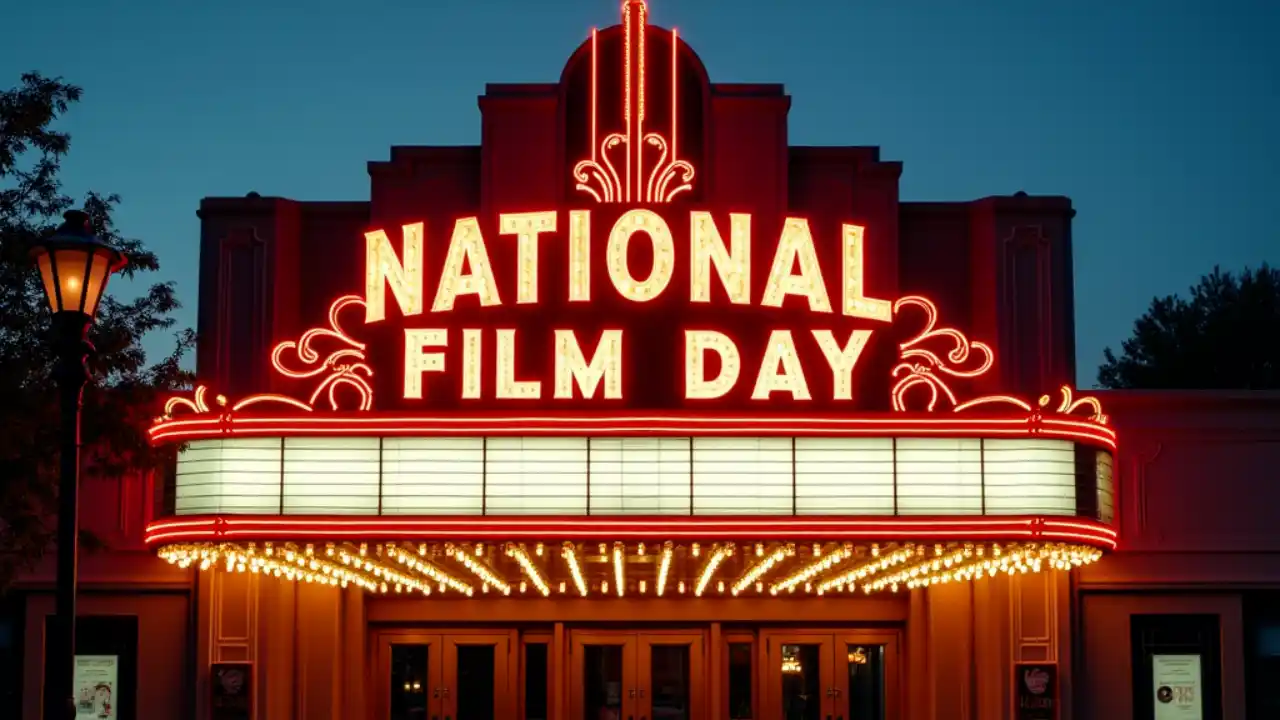
In a special celebration for National Film Day in Indonesia, which falls on March 30, 2026, Rustini Muhaimin, an advisor to the 'Dharma Wanita Persatuan' association under the Ministry of Coordinating for Community Empowerment, praised the film 'Na Wila'. She emphasized that the film is not only for entertainment but also provides valuable lessons for children and families.
During her statements in Jakarta, Rustini expressed her appreciation for the production team, including producers, directors, writers, and actors, commending their dedication to delivering an outstanding artistic work. She confirmed that the film contains live and impactful scenes capable of inspiring the community.
Event Details
This commendation comes at a time when the Indonesian film sector is witnessing significant growth, as many creators strive to present works that reflect Indonesian culture. The film 'Na Wila' has been showcased at various film festivals, contributing to enhancing the status of Indonesian cinema on the international stage.
In this context, Rustini called on all members of the Indonesian community to support local cinema, pointing to the importance of films in promoting cultural identity and educating new generations. She also confirmed that National Film Day represents an opportunity to highlight the achievements made by the film sector in the country.
Background & Context
The 'Dharma Wanita Persatuan' association was established to enhance the role of women in society and is considered one of the prominent institutions supporting arts and culture in Indonesia. In recent years, Indonesian cinema has seen remarkable development, with many films produced that have garnered acclaim from both critics and audiences alike.
Historically, Indonesian cinema has faced significant challenges, including a lack of funding and resources. However, the ongoing efforts by creators and producers have contributed to changing this reality, leading to the emergence of high-quality films that enjoy widespread acceptance.
Impact & Consequences
The praise for the film 'Na Wila' reflects a positive trend towards enhancing film production in Indonesia. This film serves as an example of how art can be used as a means of both education and entertainment simultaneously. Additionally, the success of the film may open doors for more cinematic projects that reflect Indonesian culture and traditions.
This success is expected to attract foreign investments into the film sector, enhancing opportunities for collaboration between Indonesian creators and their counterparts in other countries. It may also lead to increased awareness of the importance of cinema as a tool for social and cultural change.
Regional Significance
Cinema is a powerful tool for cultural communication and can play an important role in strengthening relations between Arab countries and Indonesia. Through film exchange and collaboration in production, Arab countries can benefit from Indonesian experiences in filmmaking, enriching the cultural landscape in the region.
In conclusion, the film 'Na Wila' represents an important step towards enhancing Indonesian cinema and reflects the ongoing efforts to support the arts and culture in the country. Celebrating National Film Day highlights the significance of cinema as an integral part of cultural identity and encourages more artistic productions that reflect positive values and principles.