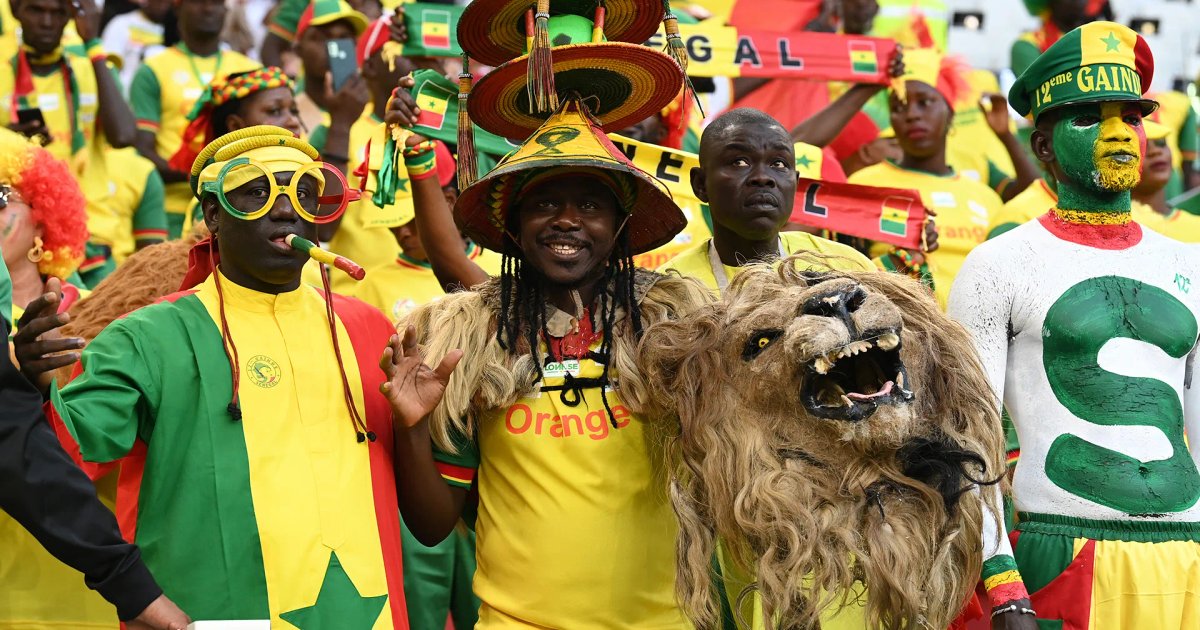
Senegal's celebrations are ongoing after the national team, known as the Lions of Teranga, lifted the Africa Cup of Nations trophy for 2026, despite the persistent legal controversy surrounding their victory. The Appeals Committee of the Confederation of African Football (CAF) deemed the Moroccan team as the rightful winners, sparking widespread debate on social media platforms.
While the Senegalese team celebrates their championship title, players have showcased the trophy to their fans during friendly matches, including a game held at Stade de France before facing the Peruvian national team, as well as in a friendly against Gambia. This marked the first match held on Senegalese soil since their crowning in January of the previous year.
Event Details
The celebrations of the Senegalese team have generated significant controversy, with players posting images of their festivities on their Instagram accounts, expressing their joy over the title. Conversely, Moroccan fans celebrated the African title in the French city of Lens following a friendly match between the Lions of the Atlas and Paraguay.
However, the controversy did not end there, as some Moroccans expressed their displeasure over the actions of the Lions of the Atlas players, who displayed the trophy in a manner that some found disrespectful to the ongoing legal discussions.
Background & Context
The legal dispute centers around the interpretation of the rules governing the tournament, with the CAF's decision leading to a split in public opinion. Many Senegalese fans believe their team rightfully earned the title through their performance, while Moroccan supporters argue that the decision undermines their team's achievements.
This situation has intensified discussions about sportsmanship and respect in football, particularly in African tournaments where emotions run high. The contrasting celebrations highlight the cultural differences in how victories and defeats are perceived across the continent.
Impact & Consequences
The ongoing debate over the title has implications beyond the football field, affecting national pride and identity for both Senegal and Morocco. For Senegal, the victory is a source of national unity and pride, while for Morocco, the perceived injustice could lead to a rallying cry for future competitions.
Furthermore, this controversy may influence future CAF regulations and how disputes are handled, potentially leading to reforms aimed at ensuring clarity and fairness in tournament outcomes. The reactions from both nations could also affect their respective football federations' approaches to governance and transparency.
Regional Significance
This incident underscores the broader challenges faced by African football, where issues of governance, fairness, and national pride often intersect. The reactions from fans and players alike reflect a deep-seated passion for the sport, which can sometimes lead to conflict.
As the continent continues to develop its football infrastructure and governance, incidents like this serve as important reminders of the need for clear communication and respect among nations. The outcome of this controversy could set a precedent for how similar cases are handled in the future.
In conclusion, while Senegal revels in its victory, the discussions surrounding the title will likely continue to resonate within the football community and beyond, shaping the narrative of African football for years to come.