The first ten days of Dhul-Hijjah are a blessed period in the Islamic calendar, where Muslims head to perform the rituals of Hajj and prepare to celebrate Eid al-Adha. These days represent an opportunity to draw closer to God and enhance social connections.
Dhul-Hijjah is considered one of the most significant times of the Hijri year, where it is recommended to increase good deeds such as prayer, fasting, and charity. These days carry profound meanings related to sacrifice and altruism, inspired by the story of the Prophet Ibrahim (Abraham) peace be upon him.
Details of the Event
The first ten days of Dhul-Hijjah begin on the first day of the month and continue until the tenth day, known as the Day of Sacrifice. On this day, pilgrims perform the rites of Hajj, while Muslims around the world celebrate Eid al-Adha. This holiday serves as a reminder of the importance of sacrifice and altruism in a Muslim's life.
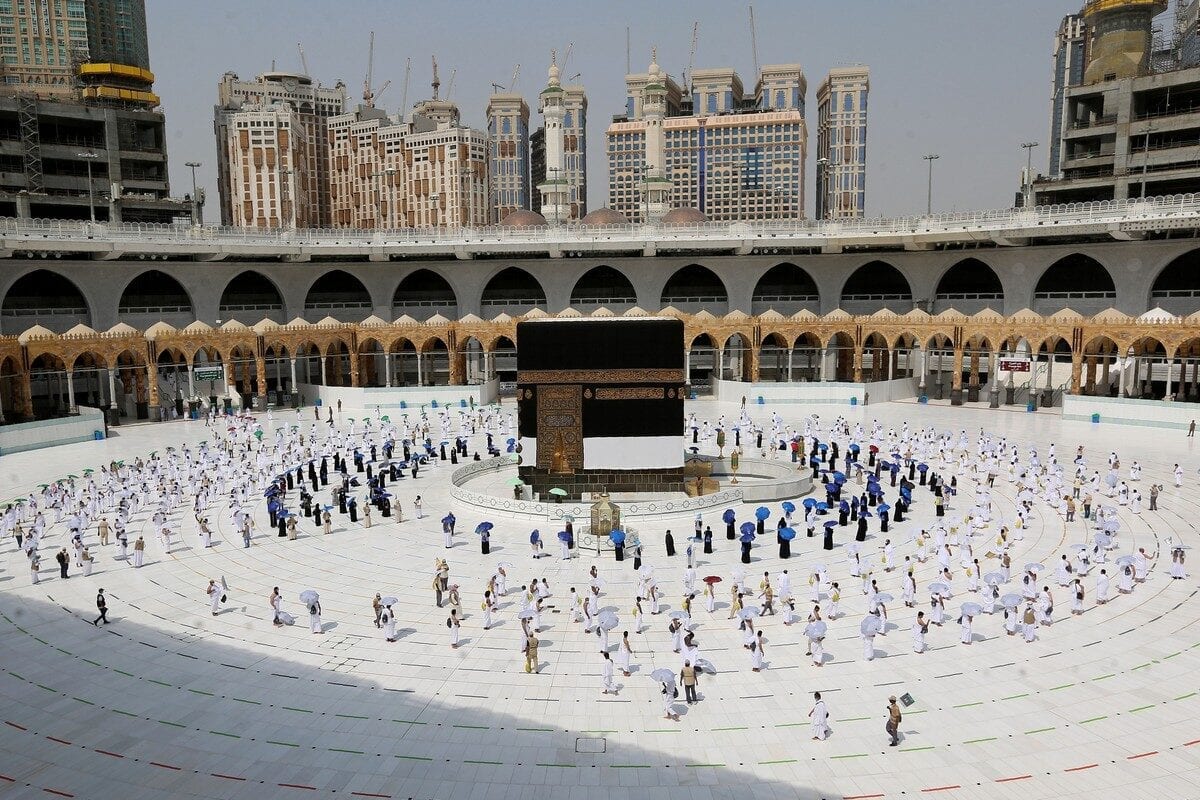
The rituals of Hajj during these days include numerous rites, such as the Tawaf around the Kaaba and the Sa'i between Safa and Marwah, reflecting the spirit of worship and closeness to God. Additionally, the Day of Arafah, which precedes Eid al-Adha, is considered one of the greatest days, where sins are forgiven and prayers are accepted.
Background & Context
Historically, the significance of the first ten days of Dhul-Hijjah dates back to the time of Prophet Ibrahim, who demonstrated immense obedience to God when he was willing to offer his son Isma'il (Ishmael) as a sacrifice. This story embodies the values of faith and sacrifice, reminding Muslims of the importance of adhering to the principles of their religion.
In modern times, these days have become an opportunity for Muslims worldwide to express their unity and solidarity. They also serve as an occasion to renew commitments to God and strengthen family and social ties.
Impact & Consequences
The first ten days of Dhul-Hijjah significantly impact Islamic communities, as social and economic activities increase during this period. These days strengthen bonds among individuals, as family and friends gather to celebrate Eid al-Adha and exchange greetings.
They also contribute to promoting human values such as generosity and giving, as offering sacrifices is one of the most prominent rituals of the holiday. These sacrifices are distributed to the poor and needy, reflecting the spirit of cooperation and sharing within the community.
Regional Significance
The first ten days of Dhul-Hijjah are an occasion to enhance Islamic identity in the Arab region, where events and activities highlight religious and cultural values. They also contribute to promoting religious tourism, as many Muslims travel to Mecca to perform Hajj.
These days strengthen ties between Arab countries, showcasing unity and solidarity among Muslims in various nations. They also present an opportunity to foster dialogue and understanding between different cultures.
In conclusion, the first ten days of Dhul-Hijjah represent a significant opportunity for Muslims to draw closer to God and enhance social bonds. These blessed days carry deep meanings related to sacrifice and altruism, making them a distinctive period in the lives of Muslims.