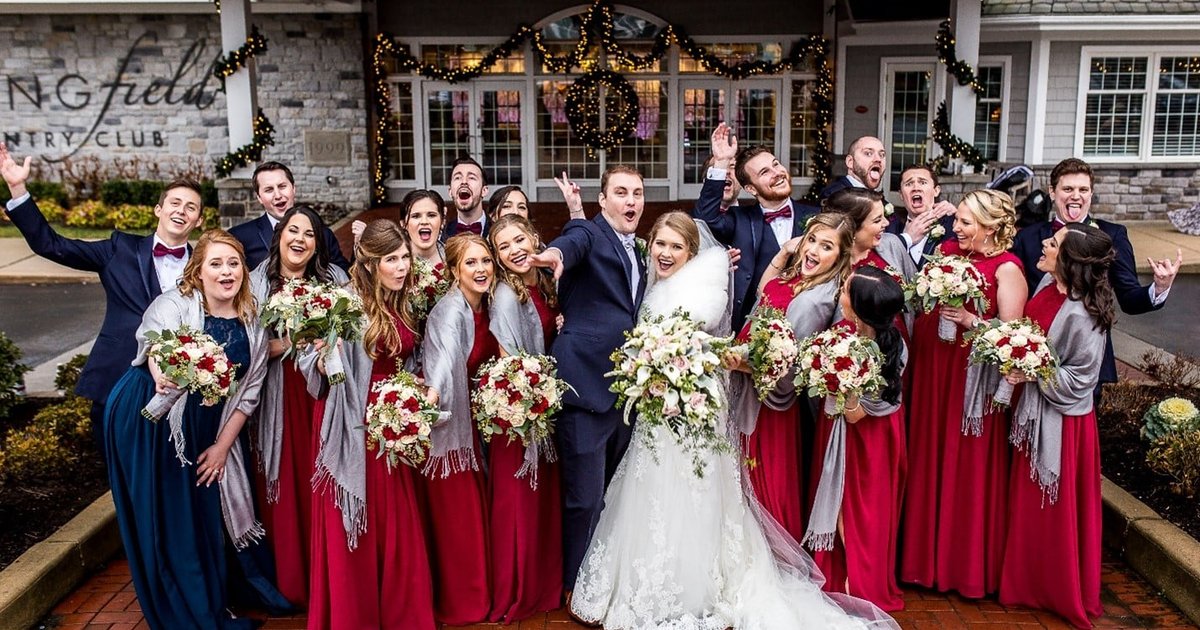
The FiFi family celebrated their wedding in the Al-Eidabi region, where family and friends gathered for an occasion filled with joy and happiness. The event witnessed a wonderful festive atmosphere, characterized by local traditions that reflect the cultural heritage of the area.
The attendees gathered in the celebration hall, where the venue was decorated with vibrant colors and beautiful flowers, adding a touch of happiness to the atmosphere. A variety of traditional dishes, famous in the region, were served, giving the occasion a special character.
Event Details
The ceremony began with welcoming words from the groom's family, who expressed their happiness on this special day. The event included many artistic segments presented by a group of local artists, which added a distinctive character to the celebration. Traditional dances reflecting the cultural heritage of the region were also organized, allowing attendees to engage significantly with the festive atmosphere.
Moreover, congratulations and well-wishes were exchanged among the attendees, with everyone expressing their joy at this marriage that unites two families. The FiFi family highlighted the importance of this moment in their lives, expressing gratitude to all who attended and participated in the celebration.
Background & Context
Wedding celebrations in Arab communities are an ancient tradition, reflecting diverse cultural customs and practices. In Al-Eidabi, as in many other regions, marriage is an important social occasion that brings together family and friends, showcasing strong family ties.
Wedding ceremonies typically involve a series of rituals that vary from region to region, but they all share the common goal of expressing joy and celebration. In recent years, wedding celebrations in the area have seen significant evolution, integrating new elements with old traditions, giving these occasions a modern touch.
Impact & Consequences
Wedding celebrations are an opportunity to strengthen social ties between families and communities. They also play an important role in promoting cultural traditions, as customs and practices are passed down from generation to generation. In this context, the FiFi wedding exemplifies how these traditions continue in the modern era.
Furthermore, such occasions contribute to enhancing social relationships among individuals, fostering a cohesive community. Large celebrations reflect pride in cultural identity, enhancing individuals' sense of belonging.
Regional Significance
Wedding celebrations in the Arab region showcase a rich cultural diversity, with traditions and customs varying from country to country. This diversity is a source of cultural wealth and reflects a long history of interaction among different communities.
Additionally, celebrations like the FiFi wedding contribute to promoting cultural tourism, as many visit different regions to explore local traditions and customs. This, in turn, boosts the local economy and supports communities.
In conclusion, the FiFi wedding in Al-Eidabi serves as a living example of the importance of cultural traditions in Arab society. These occasions not only reflect joy and celebration but also demonstrate the strength of social ties and the rich history that connects individuals.