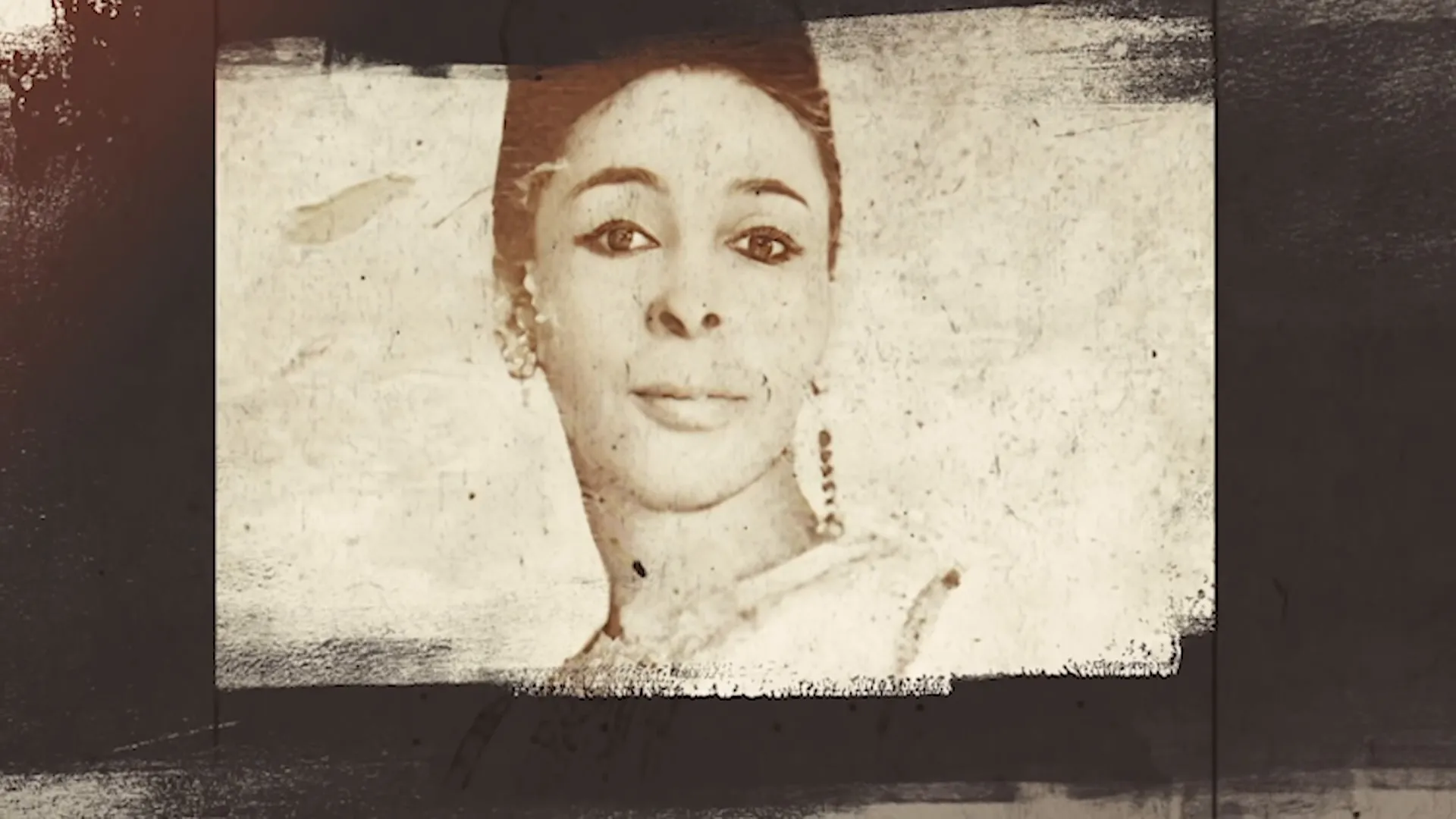
Hamdaouia is recognized as one of the most prominent artistic figures in Morocco's history, transforming Aita music into an effective weapon against French colonialism. Her artistic journey began in the "Darb Khlouti" neighborhood of Casablanca, a place that has birthed many artists and resistance fighters, making her a distinctive voice that blends popular roots with universal aspirations.
Growing up in a family that cherished Aita music, her father accompanied giants of popular music and encouraged her to sing from a young age. Despite marrying early and moving to Fez, she never abandoned her passion for art and continued to develop her talent.
Details of Her Artistic Journey
Hamdaouia entered the world of Aita through theater, joining the troupe of Bouchaib El-Baydawi, who discovered her exceptional talent. Over time, she revolutionized this traditional art form by incorporating modern touches through collaboration with a complete popular orchestra. Her famous song "Mnin Ana w Mnin Enta" exemplifies her artistic innovation, where she creatively blended multiple melodies.
She met the great musician Slim Hilali, who helped broaden her musical horizons, taking her on tours in several countries like Algeria, Tunisia, and France, which aided her in expanding her audience base.
Background & Context
Hamdaouia was known for her strong connection between art and national stance, singing during the exile of Sultan Mohammed V in 1953. Her song "Heili Al-Shibani" carried encoded political messages against colonialism. As a result, she faced harassment and arrests from the French protectorate authorities, reflecting the challenges she encountered as an artist committed to her country's issues.
For Hamdaouia, art was not merely a means to fame; it was an expression of an era that colonialism sought to erase, using her voice as a tool of resistance.
Impact & Consequences
After the resistance period, Hamdaouia's humanitarian side emerged, as she not only contributed artistically but also worked to improve the lives of those around her by supporting youth and assisting them in marriage. She remained close to her audience until her last days, making her a cultural symbol under whose shade many found solace.
Having witnessed three kings, Hamdaouia continued to represent Moroccan elegance through her adherence to the authentic caftan, making her a pivotal figure in Moroccan culture.
Regional Significance
Hamdaouia succeeded in bringing Aita music from popular circles into every Moroccan home, transforming it into a respected art form celebrated by all. Even after her passing, her voice resonates in Moroccan memory, symbolizing cultural identity.
Aita is known as a Moroccan oral musical poetry heritage that peaked during the colonial period as a tool of resistance. Over time, it faced marginalization, but Hamdaouia restored its dignity, making it an integral part of Moroccan identity.