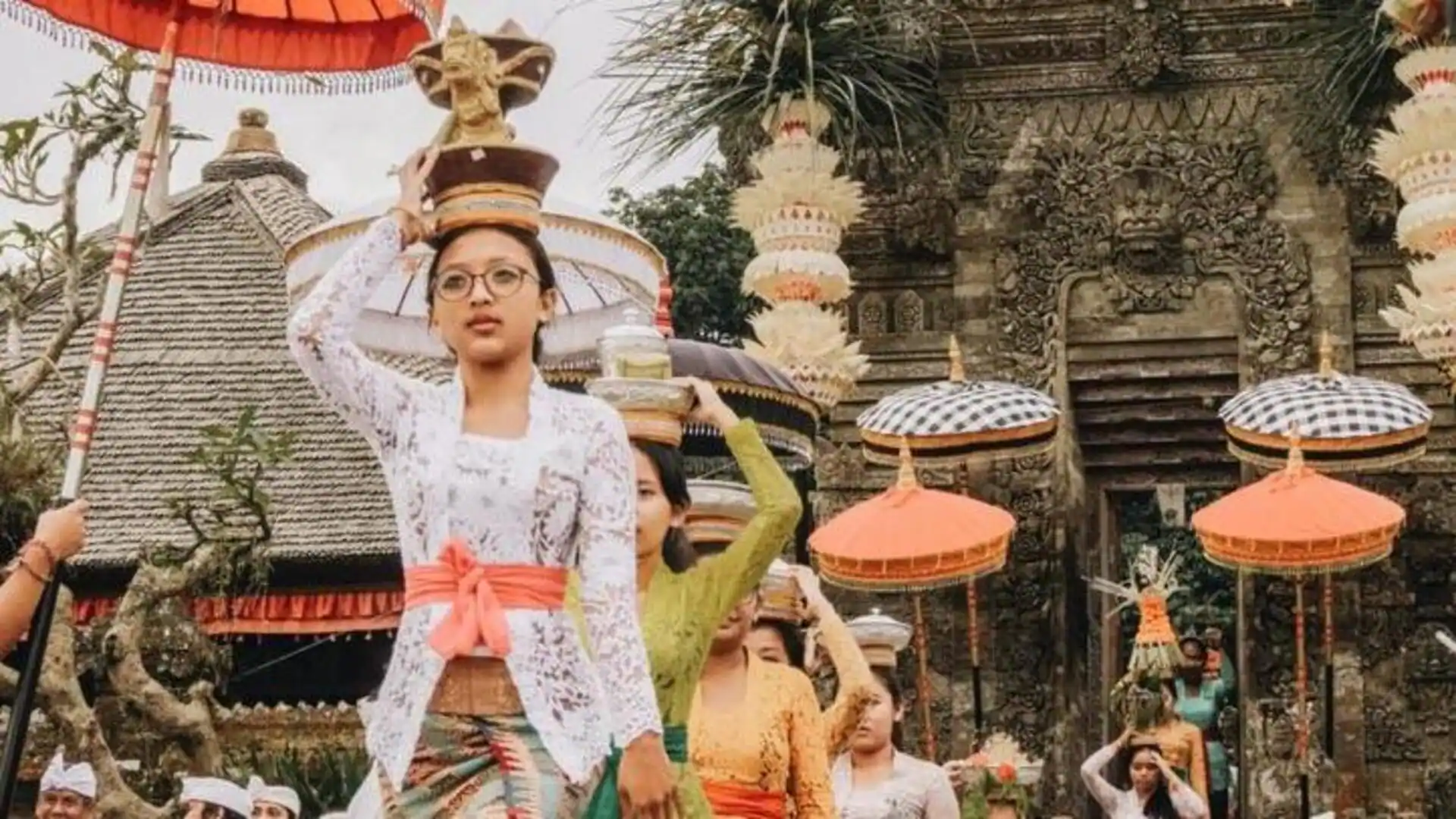
The village of Maros in Indonesia celebrates the rice harvest season through an ancient tradition known as 'Kato Buku'. This festival symbolizes cultural heritage and brings together farmers to honor the first harvest. The tradition is held annually during the harvest time, where the local community gathers to celebrate the efforts they have put into rice cultivation throughout the year.
The 'Kato Buku' festivities include a variety of cultural and artistic activities, showcasing traditional dances and local music that reflect the richness of Indonesian cultural heritage. This event also serves as an opportunity for farmers to exchange experiences and knowledge about modern and traditional farming methods.
Event Details
The 'Kato Buku' celebrations typically begin with the presentation of harvested rice as part of rituals of gratitude to the land and the deities. This tradition is considered a part of the cultural identity of the community, demonstrating respect for nature and gratitude for the resources it provides. All family members participate in the celebration, which strengthens social bonds and reflects family values.
The celebrations take place in the village square, where the area is decorated with flags and flowers. Children engage in traditional games, while adults prepare delicious local dishes that are based on rice. This event provides an opportunity to strengthen ties between different generations, as the youth learn about their cultural traditions from the elders.
Background & Context
Indonesia is one of the largest rice-producing countries in the world, with many of its inhabitants relying on rice cultivation as a primary source of food. Historically, rice farming has been an integral part of the lives of Indonesian farmers, symbolizing fertility and prosperity. The 'Kato Buku' tradition illustrates how agriculture is not just an economic activity but also a part of culture and heritage.
Over the years, farmers in Indonesia have faced numerous challenges, including climate change and economic pressures. Nevertheless, the celebration of the harvest remains an opportunity to renew hope and optimism for the future. The 'Kato Buku' festival embodies the community's strong will in the face of challenges.
Impact & Consequences
The 'Kato Buku' celebrations demonstrate how cultural traditions can play a role in enhancing community identity and fostering social cohesion. By celebrating the harvest, farmers promote a spirit of cooperation and teamwork, contributing to an improved quality of life within the community. This tradition also serves as an opportunity to attract tourists, boosting the local economy.
Furthermore, the celebration highlights the importance of preserving cultural heritage in the face of globalization. The 'Kato Buku' festival exemplifies how ancient traditions can be integrated with modern challenges, enhancing communities' ability to adapt to changes.
Regional Significance
The rice harvest traditions in Indonesia are similar to crop harvest traditions in some Arab countries, where the harvest is celebrated as part of culture and heritage. This similarity shows how agriculture is considered an essential part of cultural identity in many communities around the world. Arab countries can benefit from these experiences to enhance their local cultures and strengthen social ties.
In conclusion, the 'Kato Buku' festival is more than just a celebration of the harvest; it is an embodiment of cultural heritage and community identity. It illustrates how traditions can play a role in enhancing social and economic cohesion within communities.