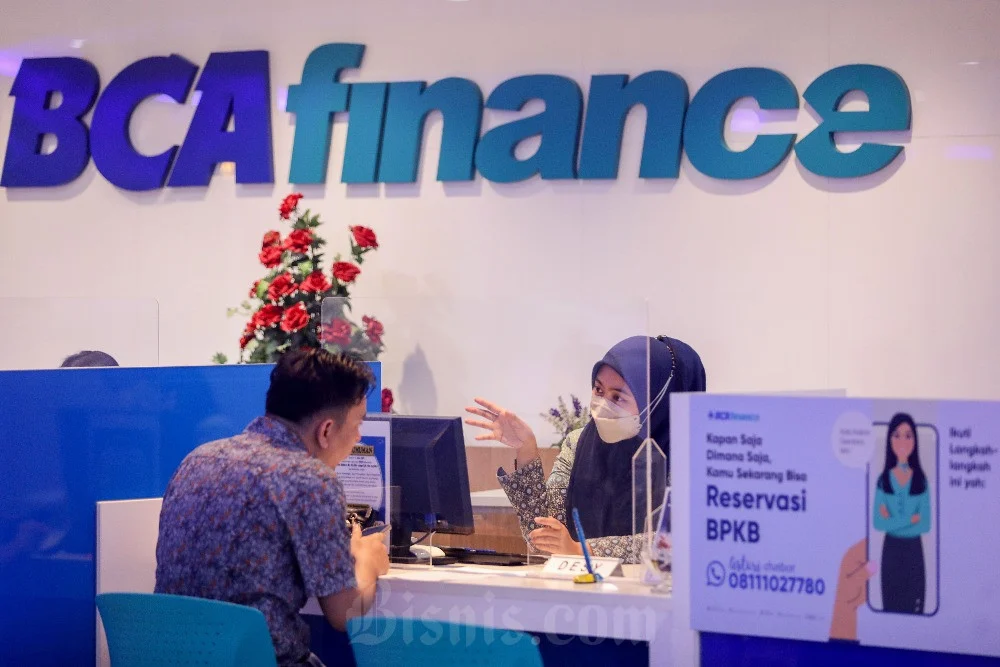
Central Asia Bank (BCA) has reported a remarkable annual increase in its loans of 5.6%, with the total loan value reaching approximately 994 trillion Indonesian rupiah by March 2026. This announcement was made by the bank's CEO, Hendra Limboong, during a press conference held in the Indonesian capital, Jakarta.
Limboong explained that the loans supported by the bank primarily stemmed from productive financing, which amounted to 760.2 trillion rupiah, reflecting a growth of 7.8% year-on-year. He also noted that loans directed towards sustainable sectors experienced a significant increase of 10.0%, reaching 258.4 trillion rupiah, representing 26.0% of the bank's total financing portfolio.
Details of the Event
This increase in loans comes at a time when the Indonesian economy is gradually recovering, with loans to the small and medium-sized enterprises (SMEs) sector rising by 12%, totaling 146 trillion rupiah. Additionally, loans for green financing grew by 7.7%, focusing on funding new and renewable energy projects, which saw an impressive increase of 53.5%.
Furthermore, Limboong emphasized that this positive performance in loans is supported by a strong funding base, with current and savings account deposits reaching 1.09 quadrillion rupiah, an increase of 11.2% year-on-year, reflecting stability in funding sources.
Background & Context
Established in 1955, Central Asia Bank is one of the largest banks in Indonesia. The bank has witnessed continuous growth over the years, investing in the development of its services and expanding its customer base. In recent years, it has become a leader in providing sustainable loans, reflecting its commitment to social and environmental responsibility.
These results coincide with the Indonesian government's efforts to boost economic growth by supporting small and medium-sized enterprises, contributing to the achievement of sustainable development goals.
Impact & Consequences
These results are a positive indicator of the health of the Indonesian economy, reflecting increasing confidence from investors and consumers. The growth in loans to the SME sector illustrates a trend towards enhancing innovation and supporting local projects, contributing to the creation of new job opportunities.
This positive trend is expected to continue in the coming months, potentially leading to improved overall economic conditions in Indonesia and enhancing the bank's ability to offer a wider range of financial services.
Regional Significance
The experience of Central Asia Bank serves as a model for the Arab region, where Arab countries can benefit from sustainable financing strategies to support their local projects. Additionally, strengthening cooperation between Arab and Indonesian banks could facilitate knowledge and experience exchange in the field of financing.
In conclusion, the significant growth in loans at Central Asia Bank is a sign of economic recovery and reflects the banks' ability to adapt to global economic challenges.