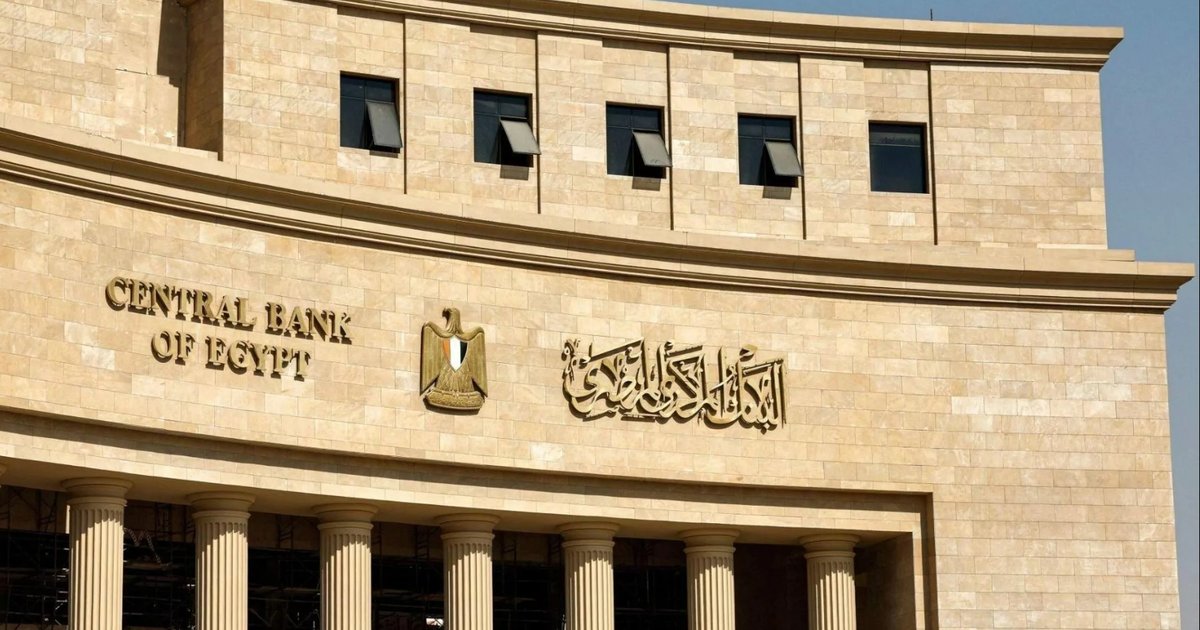
The Central Bank of Egypt has announced a ban on providing credit facilities to entities that are not registered in the credit system, marking a significant step towards enhancing transparency and accountability in the banking sector. This decision comes at a time when the government is striving to improve the business environment and boost confidence in the financial system.
This ban is part of the Central Bank's strategy to strengthen oversight of financial institutions and ensure that credit facilities are not granted to entities lacking reliable records. The aim of this measure is to reduce financial risks and protect the rights of depositors and investors.
Details of the Decision
According to the statement issued by the Central Bank, the decision applies to all banks operating in Egypt, which must ensure that any entity seeking credit facilities is registered in the credit system. This system is designed to collect financial and credit information about individuals and companies, facilitating the risk assessment process.
The bank also noted that this decision aligns with the Egyptian government's efforts to improve the investment climate and promote transparency in financial transactions. This measure is considered a crucial step towards achieving financial stability and sustainable economic growth.
Background & Context
Historically, Egypt has faced numerous challenges in the banking sector, including high rates of non-performing loans. These challenges have necessitated stringent measures to ensure the safety of the financial system. In recent years, the Central Bank has worked to enhance regulatory frameworks and improve transparency in financial transactions.
This move comes at a sensitive time, as Egypt seeks to attract foreign investments and foster economic growth amid global economic challenges. Reports have shown that improving the business environment and increasing transparency can significantly contribute to achieving these goals.
Impact & Consequences
This decision is expected to have a substantial impact on the banking sector in Egypt, as it will help mitigate risks associated with lending. It will also assist banks in making more informed credit decisions, thereby enhancing the stability of the financial system.
While this decision may lead to a reduction in the number of loans granted, it is likely to improve the quality of banks' credit portfolios, strengthening their ability to withstand future financial crises.
Regional Significance
This decision serves as a model that other Arab countries can follow as they seek to improve their financial systems and enhance transparency. Given the economic challenges faced by many Arab nations, strengthening financial oversight can contribute to achieving stability and growth.
Moreover, this measure may encourage other countries to adopt similar systems to enhance transparency and accountability in the financial sector, thereby improving the business environment in the region.
In conclusion, the Central Bank of Egypt's decision to ban credit facilities for unregistered entities represents a significant step towards enhancing transparency and accountability in the banking sector. It is expected that this decision will improve the quality of banks' credit portfolios and bolster the stability of the financial system in Egypt.