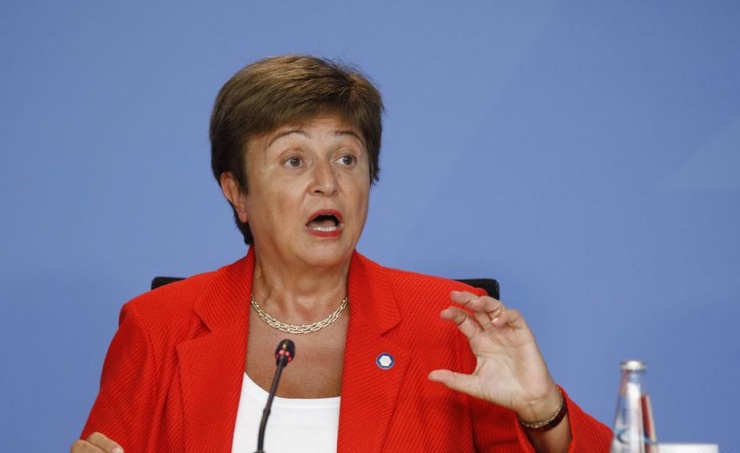
The Central Bank of Portugal has announced a reduction in its economic growth forecast for 2026, indicating that the ongoing war in Iran and damages from recent storms will significantly impact economic activity in the country. According to the new projections, the bank expects the Portuguese economy to grow by 1.8%, down from a previous forecast of 2.3%, reflecting a slowdown compared to last year's growth of 1.9%.
In its latest report, the bank emphasized that the sudden and noticeable rise in energy prices, linked to the war, is hindering economic activity and driving inflation up, particularly in 2026. The bank warned of a high degree of uncertainty, stating that an escalation or prolongation of the conflict could pose significant risks to the economy.
Details of the Situation
These forecasts come at a sensitive time, as the global economy grapples with the repercussions of the war in Iran, which has led to a significant rise in oil and gas prices. This increase has affected production and transportation costs, negatively impacting prices in local markets. Additionally, the damages from recent storms have increased the pressures on the Portuguese economy, presenting greater challenges for both the government and the private sector.
Portugal is one of the European countries that heavily relies on imported energy, making it vulnerable to fluctuations in global prices. With the ongoing conflict in the Middle East, forecasts indicate that prices will remain high, further increasing inflationary pressures on the Portuguese economy.
Context and Background
Historically, Portugal has been affected by global economic crises, experiencing periods of recession and intermittent growth. In recent years, Portugal began to recover from the sovereign debt crisis it faced in 2010, achieving notable economic growth. However, the ongoing events in the Middle East, particularly the war in Iran, could plunge the country back into a spiral of economic challenges.
Energy prices are one of the main factors affecting the Portuguese economy, as their rise translates into increased living costs and impacts citizens' purchasing power. Furthermore, damages from natural disasters, such as storms, complicate the economic situation.
Impact and Consequences
Economic analyses predict that this downgrade in growth expectations will have negative effects on the labor market and investment in Portugal. Rising inflation may reduce consumer spending, affecting businesses and increasing unemployment rates. Additionally, economic uncertainty may cause investors to hesitate in making new investment decisions.
Moreover, the continuation of the war in Iran could exacerbate economic conditions in Europe as a whole, with many European countries being affected by fluctuations in energy prices. It is likely that European governments will take measures to mitigate the impacts of these crises, which could influence economic policies in Portugal.
Impact on the Arab Region
The Arab region is part of the global economic landscape, where crises in the Middle East directly affect global markets. The war in Iran is not just a local issue; it has global ramifications, including rising energy prices, which impact oil and gas-importing countries, including Arab nations.
These conditions may increase pressures on Arab governments, necessitating urgent measures to address rising prices and inflation. Additionally, political crises in the region may affect economic stability, calling for coordination among Arab countries to face these challenges.
In conclusion, the downgrade in growth expectations in Portugal reflects the impacts of the war in Iran on the global economy and highlights the need for a coordinated response from nations to tackle the increasing economic challenges.