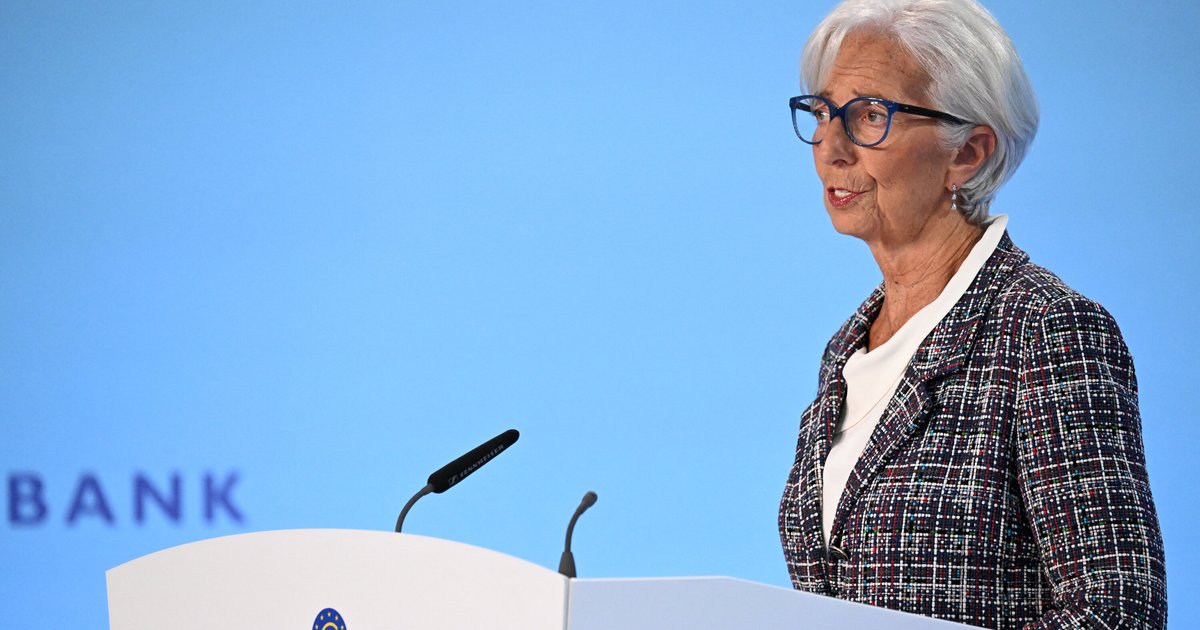
Major central banks around the world maintained steady interest rates throughout March, pointing to the uncertainty stemming from the war in the Middle East as a key factor in this decision. Concerns over rising inflation rates and weak economic growth are heightening worries about global economic prospects.
This cautious approach was reflected in the statements of policymakers in both advanced and emerging markets, where most opted to keep interest rates unchanged or to move gradually. Fluctuations in oil prices and geopolitical risks have complicated the path toward easing monetary policy.
Details of the Event
In advanced markets, only Australia raised interest rates by 25 basis points, while other central banks kept rates unchanged. Among nine central bank meetings in March, eight resulted in maintaining rates steady, reflecting a cautious balance in monetary policies.
In emerging markets, there were some discrepancies, with ten out of fifteen central banks deciding to keep interest rates steady, while four banks made slight cuts. Colombia stood out as an exception, raising its interest rate by 100 basis points, leading to the government's withdrawal from the board.
Background & Context
Historically, central banks worldwide have faced significant challenges due to economic and political crises. As conflicts in the Middle East escalate, it has become clear that these crises directly impact economic decisions. The increase in oil prices has led to inflationary pressures, prompting central banks to adopt cautious stances.
Additionally, global economic challenges, such as slowing growth in some major countries, have contributed to this cautious trend. A report from JP Morgan indicated that it will take time for central banks to recognize the extent of the shock from rising oil prices and assess its ongoing impact.
Impact & Consequences
Attention is now focused on how these cautious monetary policies will affect global economic growth. With geopolitical risks continuing, price pressures may increase, potentially leading to higher inflation rates. This situation could hinder central banks' ability to effectively ease monetary policy.
At the same time, this cautious approach may also reflect instability in financial markets, as investors seek to assess risks associated with emerging markets. This could impact foreign investment flows, further complicating the economic situation.
Regional Significance
For Arab countries, these developments carry significant importance. With many Arab economies linked to oil prices, any increase in prices could lead to inflationary pressures. Moreover, instability in the region may affect investments and economic growth.
Furthermore, the cautious monetary policies adopted by global central banks may impact Arab countries' ability to attract foreign investments, hindering economic development efforts.