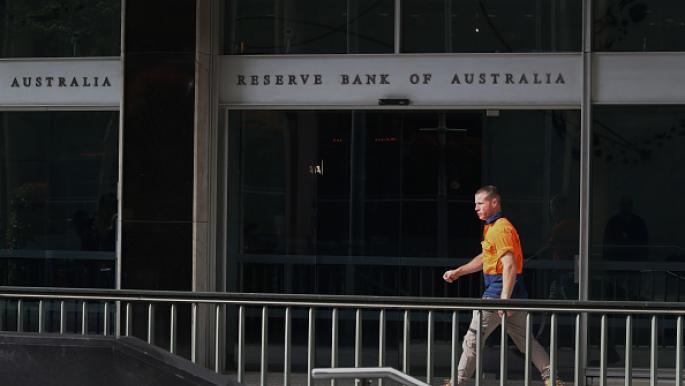
Major central banks worldwide are adopting a cautious stance in their monetary decisions due to the economic uncertainty caused by the ongoing war in the region. This reflects concerns over the potential impact of the conflict on global financial stability.
Amid escalating military tensions, central banks find themselves facing significant challenges that require them to delay decisive actions regarding interest rates or other monetary policies. These institutions are closely monitoring political and economic developments that may affect financial markets.
Details of the Situation
Reports indicate that many central banks, including the U.S. Federal Reserve and the European Central Bank, have postponed making important decisions regarding interest rate hikes or adjustments to monetary policies. This comes at a time when fears are growing about the impact of armed conflicts on global economic growth.
This step is part of a broader strategy aimed at maintaining financial stability, as central banks seek to avoid any decisions that could exacerbate deteriorating economic conditions. Some experts have pointed out that this policy may lead to a slowdown in economic growth in the short term.
Background & Context
Historically, central banks have played a crucial role in managing economic crises, taking swift actions to address challenges. However, the current situation differs significantly from past crises, as geopolitical dimensions intertwine with economic factors in unprecedented ways.
The war in the region has significantly impacted supply chains and commodity prices, complicating the situation further. Additionally, concerns over high inflation have prompted some banks to consider raising interest rates, but the current circumstances make it difficult to reach a final decision.
Impact & Consequences
These cautious decisions may have far-reaching effects on the global economy. Delaying interest rate hikes could lead to continued inflation, while making hasty decisions could worsen economic conditions. Therefore, central banks face a significant challenge in balancing stability and growth.
Moreover, geopolitical tensions may affect investment flows, increasing uncertainty in financial markets. Consequently, central banks need to monitor the situation closely and make informed decisions.
Regional Significance
The Arab region is among the most affected by global economic developments, as many countries rely on financial and monetary stability. Any changes in the monetary policies of major central banks may directly impact the economies of Arab countries, especially those facing economic challenges.
In light of these circumstances, Arab countries must be prepared to face any potential repercussions, both in terms of monetary policies and economic development strategies. Cooperation among Arab nations in this area may be essential to address future challenges.
In conclusion, the hesitation in global central banks' decisions signals a state of uncertainty prevailing in the global economy. Countries must remain vigilant and adopt flexible strategies to adapt to rapid changes in the economic landscape.