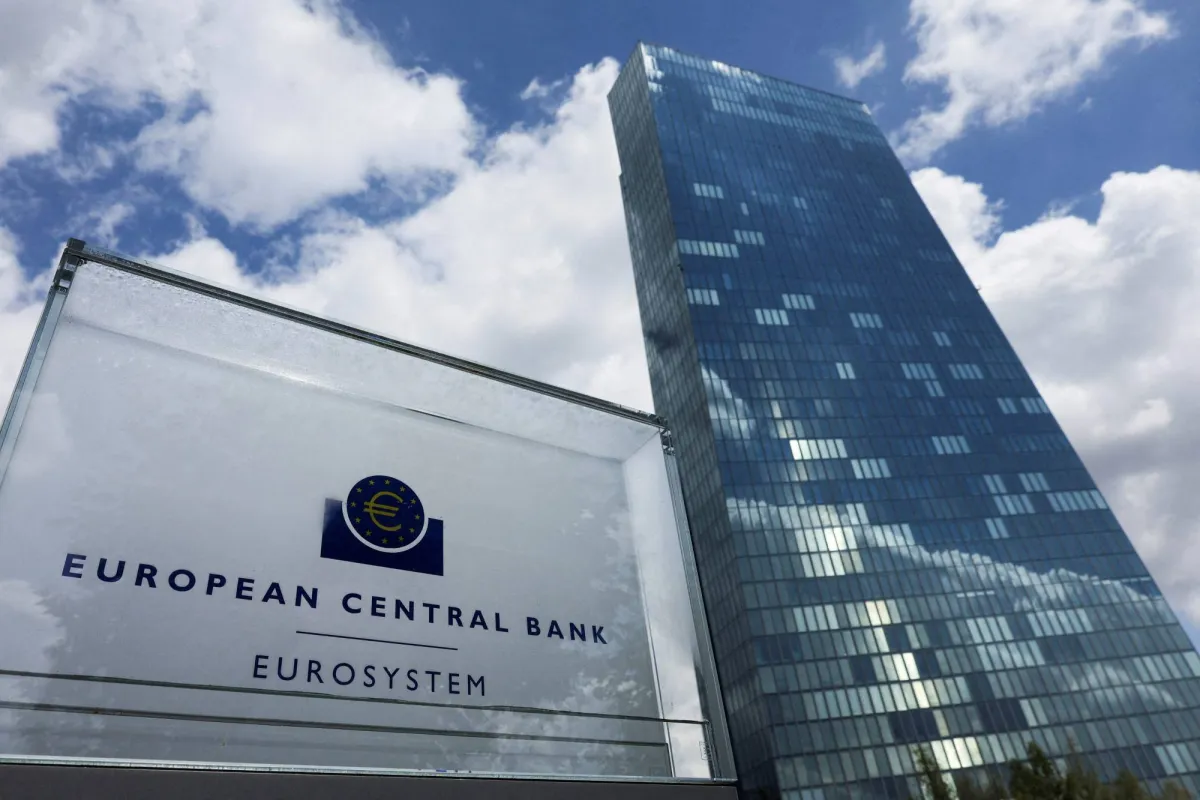
Major central banks kept interest rates steady in March 2023, amid uncertainty stemming from the tense situation in the Middle East. This decision comes against a backdrop of increasing fears of rising inflation and slowing economic growth, negatively impacting global economic forecasts.
A cautious atmosphere prevails among monetary policymakers in both advanced and emerging markets, with most opting to keep interest rates unchanged or to move gradually. This occurs at a time when oil prices are fluctuating and geopolitical risks are rising, complicating the path for monetary easing, according to reports from Reuters.
Cautious Stance Expected
This cautious stance was anticipated, as JPMorgan stated mid-month that central banks would need time to assess the impact of oil price shocks on the economy. It noted that forecasts are trending towards rising inflation and declining growth, which will encourage caution in monetary decision-making.
In March, nine central bank meetings were held, with eight resulting in unchanged interest rates, except for Australia, which raised borrowing costs by 25 basis points. No major advanced economy reduced interest rates during the month, keeping the balance at a modest level of 50 basis points of monetary tightening.
Background & Context
In emerging markets, interest rates showed greater variability, with 10 central banks keeping rates steady, while four reduced rates slightly. For instance, Russia cut rates by 50 basis points, while Brazil, Mexico, and Poland each lowered rates by 25 basis points. Conversely, Colombia was the only country to tighten its monetary policy by raising rates by 100 basis points.
Even in countries experiencing monetary easing cycles, policymakers indicated the need for restraint. Several central banks, such as Indonesia, South Africa, and the Philippines, confirmed that the uncertainty linked to the conflict in the Middle East and its potential impact on inflation were reasons for delaying or limiting rate cuts.
Impact & Consequences
This caution reflects a shift in the global economic landscape, as central banks balance slowing growth against the risks of rising prices, particularly in energy markets. So far, central banks in emerging markets have provided a net monetary easing of 175 basis points, driven by ten rate cuts.
This situation illustrates the disparity in the pace of declining inflation and the constraints facing policymakers in applying monetary easing independently of global conditions. Under these circumstances, the question remains about how these policies will affect economic stability in the region.
Regional Significance
Arab countries are directly affected by these developments, as rising interest rates may lead to a reduction in both foreign and domestic investments, negatively impacting economic growth. Additionally, the continued uncertainty in the Middle East may increase pressures on the economies of Arab nations, which heavily rely on stable oil prices.
In conclusion, the economic situation in the Arab region remains contingent upon developments in the Middle East and the ability of central banks to adapt to rapid changes in global markets.