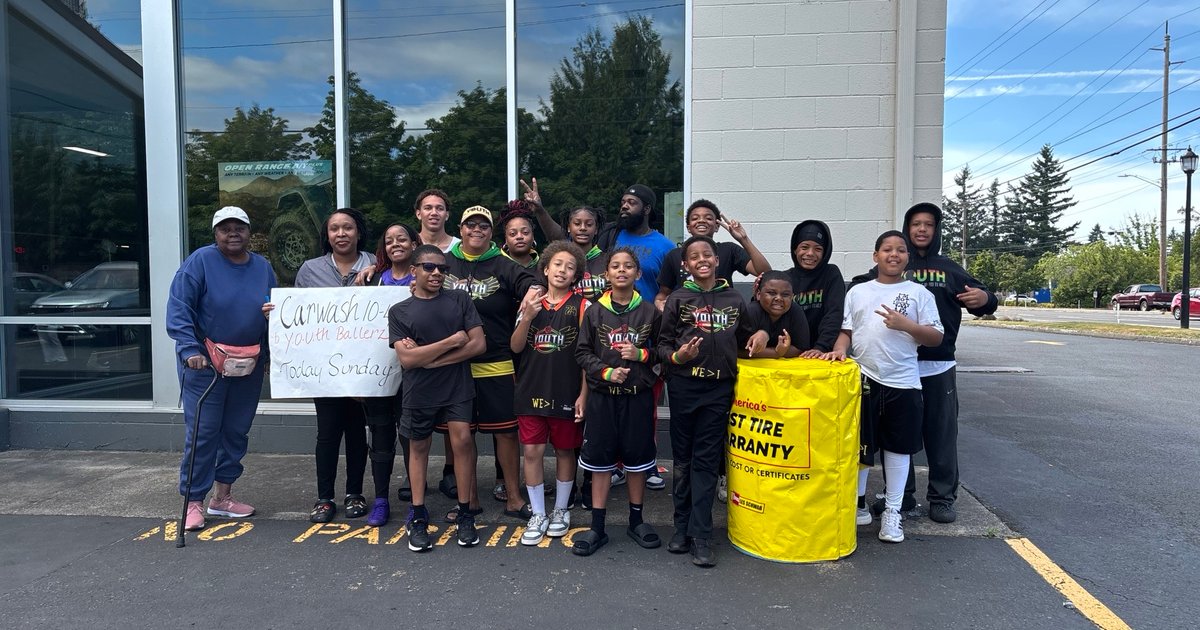
Black-led nonprofits have struggled to secure the sustainable financial support that was pledged following the racial justice events in the United States in 2020. Despite the commitments made in the wake of these events, funding has largely remained temporary.
Reports indicate that many of these organizations, which play a vital role in addressing social and economic issues, still face difficulties in obtaining the resources needed to continue their work. Several leaders of these organizations have pointed out that the support they received after the 2020 events was short-lived and did not achieve the desired impact.
Details of the Events
Following the murder of George Floyd in May 2020, the United States witnessed a wave of protests and demonstrations demanding racial justice. These events prompted many institutions and companies to pledge greater financial support for Black-led organizations. However, many of these promises have not materialized, exacerbating the challenges faced by these nonprofits.
A recent study found that a significant percentage of Black-led nonprofits did not receive the sustainable funding that was expected. Leaders of these organizations noted that the financial support they received often came in the form of short-term grants, making it difficult for them to plan for the future.
Background & Context
Historically, Black-led nonprofits have suffered from a lack of funding compared to their white-led counterparts. This disparity in financial support reflects the deep inequalities faced by Black communities in the United States. Over the years, these organizations have relied on funding from the local community, making them more vulnerable to economic crises.
After the events of 2020, there was hope that the increased awareness of racial justice issues would lead to positive changes in how these organizations are funded. However, the current reality suggests that the change has not been sufficient, raising questions about the true commitments of major institutions.
Impact & Consequences
These funding challenges directly affect the ability of nonprofits to provide essential services to the communities they serve. Without sustainable funding, these organizations become unable to implement their programs effectively, leading to a worsening of social and economic crises.
Moreover, the failure to fulfill financial promises can lead to a loss of trust between Black communities and funders. This situation may hinder efforts to build long-term partnerships, complicating the existing circumstances.
Regional Significance
Issues of social justice and sustainable funding are critical concerns for communities worldwide, including in the Arab region. The experiences of nonprofits in the United States can serve as a lesson for Arab communities on how to address funding and social justice issues.
Furthermore, raising awareness about the importance of supporting organizations led by minorities can contribute to improving social and economic conditions in Arab countries, where some communities suffer from marginalization and insufficient funding.
The challenges faced by Black-led nonprofits after the events of 2020 highlight the urgent need for genuine commitment from institutions and funders. There must be a shift in how these organizations are supported to ensure their sustainability and ability to provide essential services to the communities they serve.