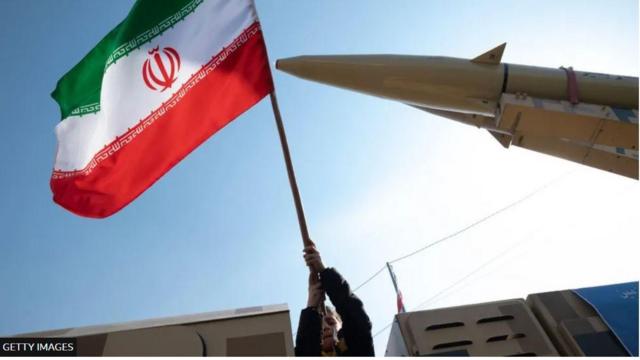
American reports reveal that controlling the Strait of Hormuz faces complex geographical and military challenges, raising questions about the effectiveness of U.S. power in the region. Despite repeated statements, Washington has not achieved the required field control.
In a complex battlefield reality and fluctuating political narratives, American reports and specialized analyses reveal that the battle for the Strait of Hormuz is no longer just a military confrontation, but a real test of Washington's ability to translate its military power into field control. While former President Donald Trump speaks about the option of deploying troops to protect oil tankers, he has yet to take any concrete steps.
Details of the Situation
The Iranian Defense Council announced that passage through the strait is contingent upon coordination with Tehran, warning that any attack on Iranian shores or islands would lead to the mining of access routes in the Gulf. These statements have confused global markets, indicating Iran's actual control over the vital strait. This raises an important question: why has the strait not been forcibly opened yet?
A report published by The New York Times answers this question by analyzing three main points. First, the geographical nature of the Strait of Hormuz gives Iran a strategic advantage, as the strait narrows and becomes shallow, forcing ships to pass through specific waterways close to Iranian shores, making them easier targets.
Second, the mountainous terrain surrounding the strait allows Iranian forces to hide weapons in caves and highlands, enabling them to target ships or any passing forces. Third, the proximity of ships to land limits their response speed, making it more difficult to secure passage.
Background & Context
Historically, the Strait of Hormuz is a vital transit point for about 20% of the world's oil. The region has witnessed increasing tensions between the United States and Iran, with Tehran targeting up to 17 ships since the beginning of the conflict. Despite military pressures, the United States and its allies have not succeeded in eliminating Iranian military capabilities.
Iran's military arsenal is mobile and difficult to detect, including drones, fast boats, cruise missiles, and naval mines. Retired Colonel Mark Cancian noted that these Iranian missile batteries are hard to locate and target, making military options alone insufficient.
Impact & Consequences
Any attempt to forcibly open the strait must begin with stripping Iran of its ability to attack ships. However, any American casualties could completely change the course of the war, as warned by former U.S. Navy officer Jennifer Parker. Even if extensive military operations are carried out, success remains limited, as naval escorts require massive resources and can only protect a few tankers at a time.
The real challenge lies in convincing shipping and insurance companies that the risks associated with the strait have become acceptable. This is a difficult goal to achieve, reflecting the strategy currently pursued by the Trump administration.
Regional Significance
The Arab region is significantly affected by the implications of the situation in the Strait of Hormuz, as this strait is a vital artery for the flow of oil and gas. Any escalation in tensions could lead to rising oil prices, impacting Arab economies that heavily rely on energy exports.
In conclusion, events demonstrate that military power alone is insufficient to ensure control over the Strait of Hormuz. The United States needs a comprehensive strategy that considers the geographical and political complexities of the region.