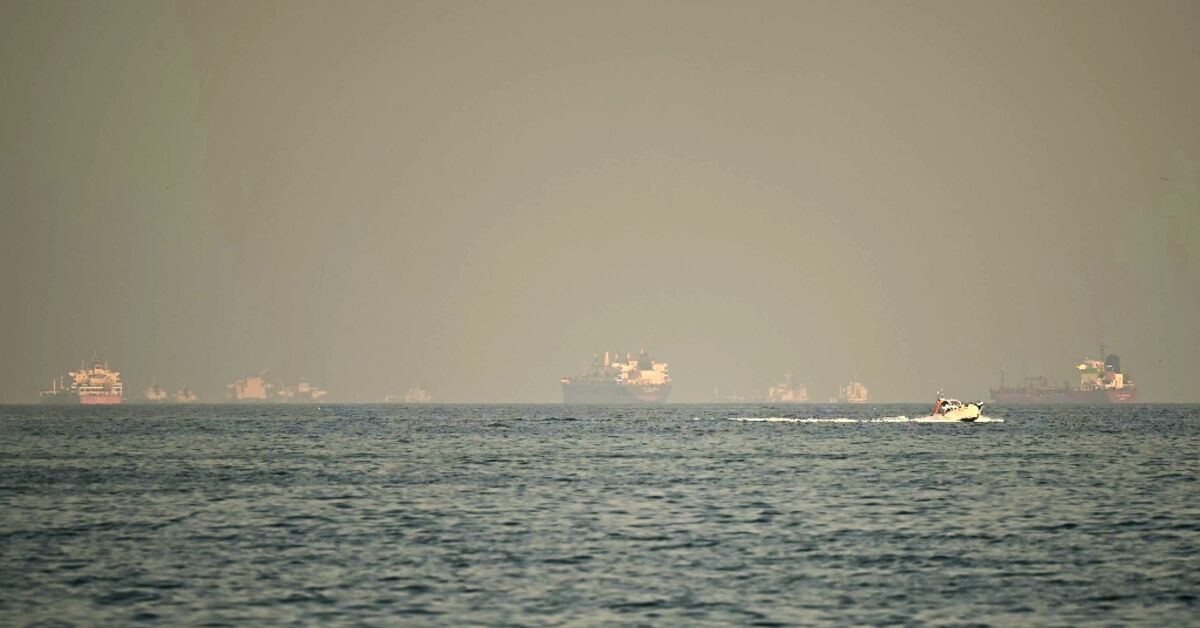
Reports indicate that only three ships crossed the Strait of Hormuz on Wednesday, reflecting heightened caution in using this strategic waterway. This follows an announcement of a two-week ceasefire in the ongoing conflict in the Middle East. Despite positive statements from both the American and Iranian sides regarding the reopening of the strait, concerns about navigation safety in this sensitive area remain prevalent.
According to the ship tracking website MarineTraffic, the number of vessels daring to cross the strait remains limited, as many shipping companies prefer to wait before making their decisions. This situation reflects the growing anxiety among companies regarding the potential risks they may face under current conditions.
Details of the Event
The Strait of Hormuz is a vital transit point for oil and gas transportation, with approximately 20% of the world's total oil passing through it. However, geopolitical tensions in the region have increased the risks surrounding navigation. The three ships that crossed the strait represent an exception under the current circumstances, as most vessels prefer to stay away from these troubled waters.
These developments come at a sensitive time, with increasing pressure on governments in the region to secure shipping routes. Some analysts have pointed out that these steps could serve as a test of the stability of the situation in the region following the ceasefire announcement.
Background & Context
Historically, the Strait of Hormuz has witnessed numerous crises and conflicts, always attracting the attention of global powers. In recent years, tensions between the United States and Iran have escalated, significantly impacting maritime traffic. This strategic area is pivotal for global energy security, making any escalation in the conflict affect global markets.
In past years, we have seen several incidents involving commercial vessels in this area, prompting countries to enhance their military presence to protect their interests. However, the current situation appears more complex due to ongoing conflicts in the Middle East.
Impact & Consequences
The potential impacts of this situation could be far-reaching, as it may lead to increased oil prices if concerns about navigation safety persist. Additionally, any escalation in tensions could affect the stability of financial markets, negatively impacting the global economy.
Moreover, the continued caution in crossing the Strait of Hormuz may lead to increased shipping costs, affecting international trade. Companies relying on these maritime routes may find themselves compelled to reassess their business strategies.
Regional Significance
For Arab countries, the situation in the Strait of Hormuz is vital, as many of these nations depend on oil exports through this passage. Any disruption in navigation could directly impact their economies. Furthermore, stability in this region is essential for achieving regional security.
Under these circumstances, Arab countries must enhance their cooperation in maritime security to ensure the protection of their interests. There should also be a collective response to the challenges facing navigation in the Strait of Hormuz.