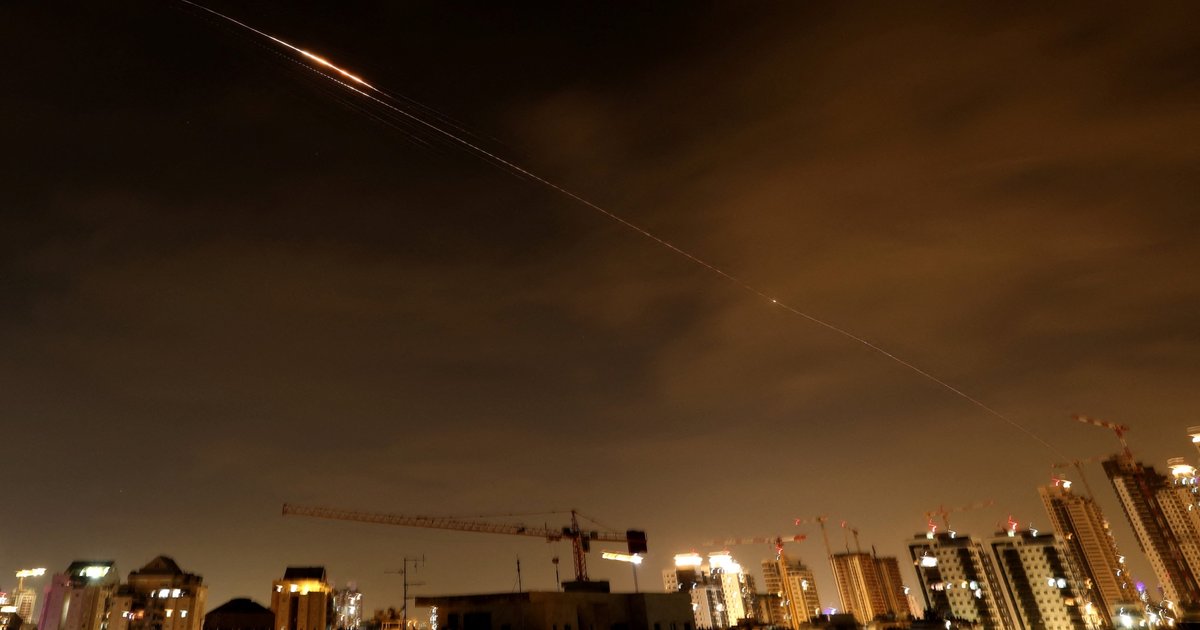
Experts from the Middle East Institute report that the United States faces difficulties in securing uncontested air control over Iran due to a lack of investment in countering low-altitude threats that Iran has effectively employed. This statement was made during a virtual seminar, where Kali Greco, a senior fellow in the "Reimagining American Grand Strategy" program at the Stimson Center, confirmed that the United States and Israel excel in high-altitude combat but struggle against low-altitude threats.
Greco added that Iran relies on highly mobile systems in this context, which hinders the United States' ability to secure air superiority where it is needed. In contrast, President Donald Trump asserted that Iran has lost all military capabilities since he and Israeli Prime Minister Benjamin Netanyahu initiated the war on February 28.
Event Details
While the United States emphasizes its air superiority, reports indicate that Iran has adopted a completely different strategy. Instead of attempting to compete with the United States and Israel for air control, Iran focuses on "disruption warfare," exploiting low altitudes using drones, causing significant damage to Gulf states.
Iranian "Shahed" drones are cost-effective, requiring millions of dollars to intercept, and have already proven their capability to inflict harm. Experts have pointed out that Gulf states need different radar systems and sensors to detect these low-altitude aircraft.
Background & Context
Historically, the United States has had clear air superiority in previous conflicts, such as the 2003 Iraq War. However, changes in the nature of warfare, including the use of drones, have altered the rules of engagement. Currently, Gulf states face significant challenges in countering these threats, as they heavily rely on fighter jets and anti-aircraft missiles.
The lack of interceptor missiles has also forced Gulf states to make tough decisions regarding which targets to engage, as intercepting a single missile typically requires the use of two interceptor missiles.
Impact & Consequences
Estimates suggest that the United States may need up to $75 billion to replenish its weapon stockpiles. Michael O'Hanlon, head of the defense and strategy program at the Brookings Institution, noted that air defenses are not effective against all threats, making it essential to develop new strategies to confront drone attacks.
Last week, the U.S. Department of State informed Congress about arms sales to the United Arab Emirates, Kuwait, and Jordan, in an effort to renew their defensive capabilities against Iranian attacks. The congressional review requirements were bypassed due to the emergency situation representing a U.S. security interest.
Regional Significance
These developments are particularly significant for Gulf states, which are under increasing pressure due to Iranian attacks. The Iranian strategy of using drones poses a major challenge to regional security, necessitating Arab states to enhance their defensive capabilities and collaborate with one another to address these threats.
In conclusion, the conflict between the United States and Iran appears to be heading towards ongoing escalation, as each side seeks to achieve its strategic objectives. As the war continues, low-altitude threats will remain a significant challenge for U.S. air control, requiring new strategies and innovations in defense.