The chaos stemming from the conflict in Iran is causing long-term effects on investors and the US dollar. As tensions escalate in the region, investors are facing new challenges that may impact their investments and financial decisions. These crises are raising concerns in global markets and reshaping the economic landscape.
Reports indicate that the conflict in Iran could lead to significant fluctuations in oil prices, directly affecting the global economy. Under these circumstances, investors are closely monitoring developments in the region, as any escalation in the conflict could lead to rising oil prices and increased inflationary pressures.
Details of the Event
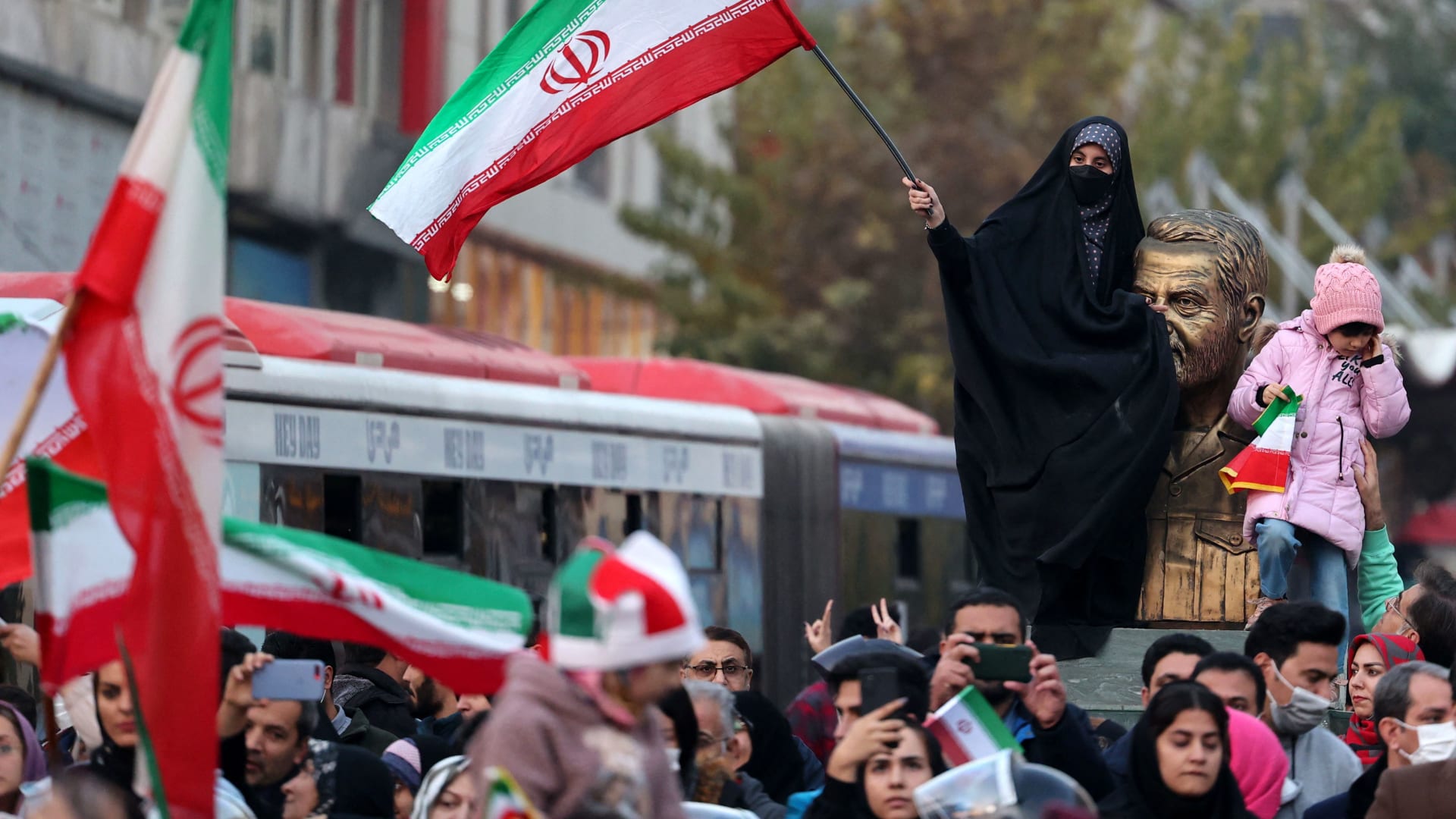
Iran is experiencing a state of political and social chaos, with popular protests against the government escalating. These events come at a sensitive time as Iran seeks to bolster its regional position amid international pressures. As the conflict continues, analysts expect financial markets to be significantly affected, potentially leading to unprecedented volatility.
Concerns are growing that this chaos could disrupt oil supplies, which may significantly drive up oil prices. At the same time, the value of the US dollar may be impacted, as it is considered a safe haven for investors during crises. This situation could lead to volatility in global financial markets, increasing uncertainty for investors.
Background & Context
Historically, conflicts in the Middle East have had a significant impact on the global economy. For instance, oil markets experienced sharp fluctuations during previous conflicts, such as the Iraq War in 2003. These events had long-term repercussions on oil prices and the global economy.
Iran is one of the largest oil producers in the world, and any disruptions in its production can significantly impact global markets. Additionally, the strained relations between Iran and the United States play a crucial role in shaping the economic landscape, as oil prices and the dollar are directly affected by these relations.
Impact & Consequences
Financial institutions anticipate that the chaos in Iran will lead to increased volatility in financial markets, which may affect investor decisions. Under these circumstances, investors may resort to new strategies to mitigate risks, such as diversifying their investment portfolios.
Moreover, rising oil prices could lead to increased inflation in many countries, affecting consumers' purchasing power. This situation may create new challenges for governments, which will have to take measures to address the growing economic pressures.
Regional Significance
The chaos in Iran has a direct impact on Arab countries, as it could lead to heightened tensions in the region. Many Arab countries rely on oil as a primary source of revenue, and any rise in prices could significantly affect their economies.
Furthermore, the conflict in Iran may exacerbate sectarian tensions in the region, increasing instability. This situation requires Arab countries to take proactive steps to address the economic and political challenges that may arise from this chaos.
In conclusion, the chaos in Iran represents a significant challenge to global markets and the US dollar. Investors and governments in the Arab region must be prepared to deal with the repercussions of these crises, as they can significantly impact the global economy.