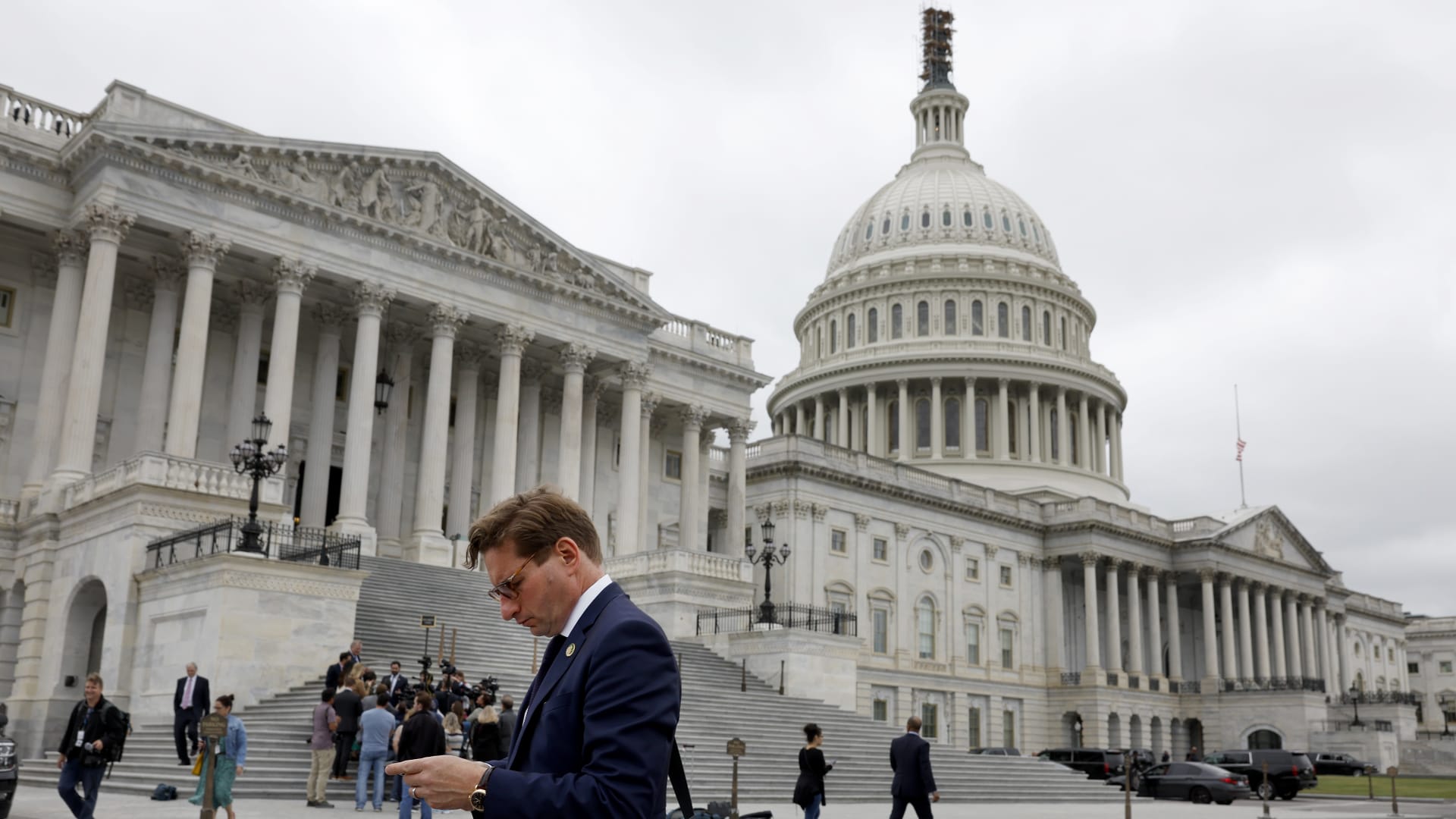
A former White House official has reported that the US government is experiencing a state of confusion and chaos, indicating that these conditions are adversely affecting the performance of the current administration. This statement comes at a sensitive time for the country, where internal and external challenges are on the rise.
In her remarks, the official emphasized that there is a lack of coordination among various government departments, leading to poorly thought-out decisions. She also pointed out that this confusion could reflect on public policies and affect citizens' trust in the government.
Details of the Situation
These statements come at a time when the White House is facing multiple challenges, ranging from economic crises to social and political issues. The pressures on the current administration have increased due to rising inflation and unemployment rates, making citizens feel unstable.
Moreover, the volatile political situation in Congress complicates matters further, as opinions vary between the two major parties on how to handle these crises. This divergence of opinions reflects a state of chaos that the government is experiencing.
Background & Context
Historically, the United States has seen instances of governmental confusion, but the current situation is considered among the most complex. It coincides with the post-COVID-19 pandemic period, which has significantly impacted the economy and society.
Additionally, international tensions, including conflicts in the Middle East and Europe, place extra pressures on the US government. These conditions make it difficult for the current administration to make effective and swift decisions.
Impact & Consequences
If the state of confusion and chaos continues, it could lead to a loss of trust in the government, which may negatively reflect on the upcoming elections. Furthermore, this situation could weaken the United States' ability to address global challenges, such as climate change and cybersecurity.
These circumstances require a swift and effective response from the government, but political divisions seem to hinder these efforts. Consequently, the ongoing chaos could exacerbate the current crises.
Regional Significance
The state of confusion in the US government is particularly significant for the Arab region, as the United States plays a pivotal role in many regional issues. Instability in Washington could affect US foreign policy towards the Middle East, including the Israeli-Palestinian conflict and crises in Syria and Libya.
Moreover, any decline in US support for Arab countries could exacerbate economic and political crises in the region, necessitating proactive steps from Arab leaders to address these challenges.
In conclusion, the recent statements from a former White House official reflect a complex reality facing the US government. Under these circumstances, the question remains about how this chaos will affect internal and foreign policies and to what extent it can regain trust amidst increasing challenges.