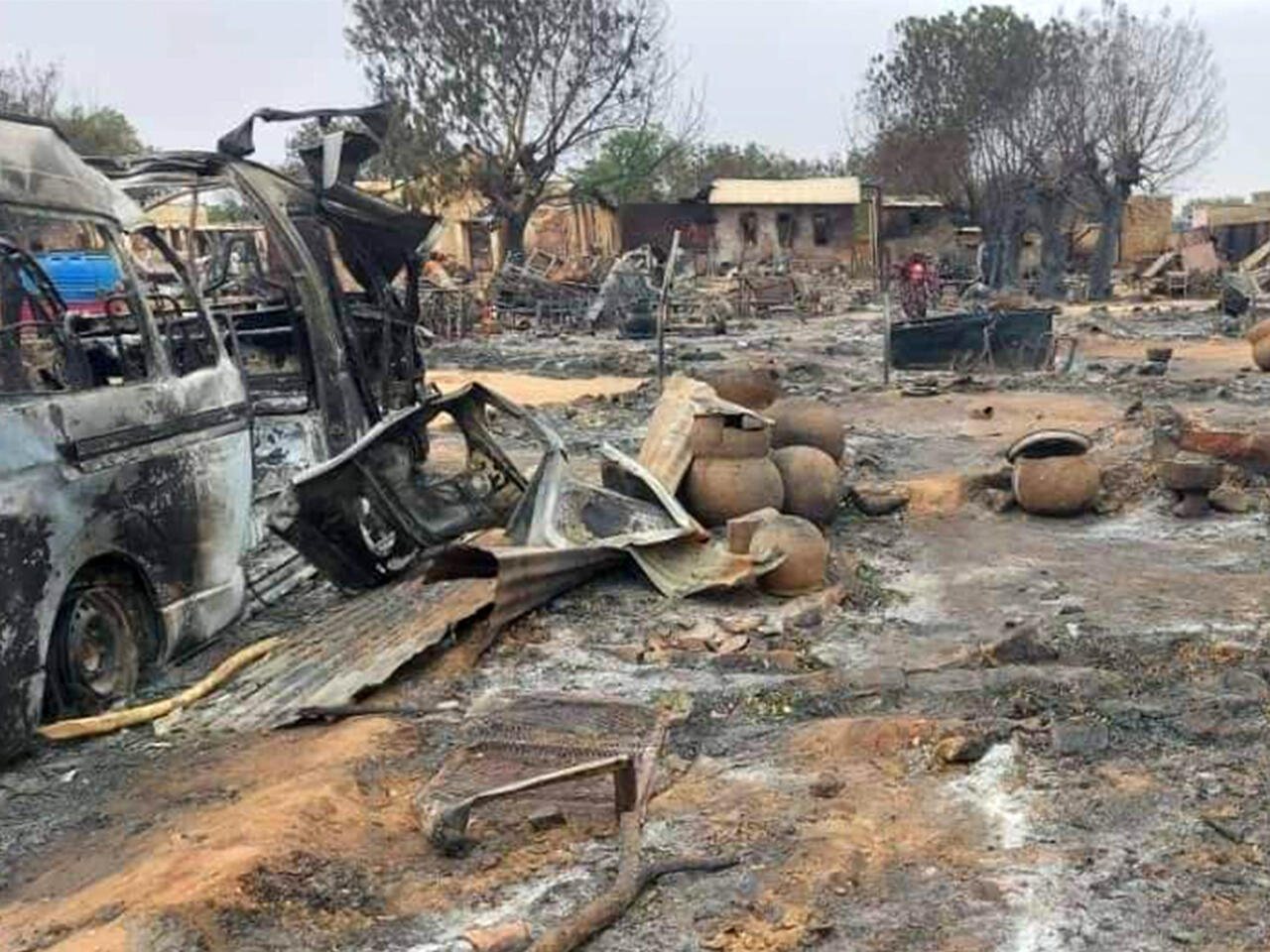
Child specialist Mohamed Ahmed Ali Al-Siddiq was killed in his home in Nyala, South Darfur by the Rapid Support Forces, according to reports from the Sudanese Doctors Network. The incident occurred at a time when security conditions in the country are deteriorating, as the doctor continued his humanitarian duties at Nyala Teaching Hospital despite the increasing risks.
This incident comes amid a rising tide of violence targeting medical personnel, raising significant concerns among health sector workers. Reports have confirmed that doctors have become targets of the Rapid Support Forces, threatening the healthcare system's ability to provide essential services to patients.
Details of the Incident
Mohamed Ahmed Ali Al-Siddiq, known for his dedication to his work, was killed while at home. The incident sparked angry reactions from his colleagues, who viewed this act as an assault on humanity and the ethics of the medical profession. Doctors have pointed out that this increasing violence hinders their efforts to provide healthcare to patients, especially in conflict-affected areas.
Many doctors in Sudan express their fears about the deteriorating security situation, as they face increasing assaults and threats. They have called for the protection of medical personnel, emphasizing that targeting them will only exacerbate the health conditions in the country.
Background & Context
Sudan has been experiencing a state of security chaos since the outbreak of the conflict in Darfur, where several armed factions are vying for control. The Rapid Support Forces, initially formed to combat rebellion, have become known for their involvement in human rights violations, including assaults on civilians and healthcare workers.
Historically, Darfur has been a theater of bloody conflicts since 2003, leading to the deaths of thousands and the displacement of millions. As violence escalates, doctors and healthcare workers have become easy targets, threatening a healthcare system already suffering from a shortage of resources and personnel.
Impact & Consequences
This incident underscores the urgent need to protect medical personnel in conflict areas. The continued targeting of doctors will lead to worsening health conditions, as hospitals' ability to provide necessary care to patients will be affected. Furthermore, this violence may drive doctors to migrate to other countries in search of a safe working environment, exacerbating the healthcare crisis in Sudan.
Moreover, the deterioration of security conditions impacts the social and economic stability of the country, as citizens increasingly struggle to access essential services. Under these circumstances, it becomes imperative for the international community to intervene to protect civilians and healthcare workers.
Regional Significance
The events in Sudan are part of a larger picture of instability in the Arab region, where armed conflicts and deteriorating humanitarian conditions are increasing in several countries. The continuation of violence in Sudan could affect neighboring countries, potentially leading to refugee flows and increased regional tensions.
Additionally, the situation in Sudan highlights the importance of promoting human rights and protecting civilians in conflict areas, which requires effective international cooperation. Targeting medical personnel represents a blatant violation of humanitarian laws, and the international community must take serious steps to hold those responsible for these violations accountable.
In conclusion, the issue of protecting medical personnel in Sudan remains an urgent priority, requiring efforts from all stakeholders to ensure their safety and enable them to perform their humanitarian duties without fear of assault.