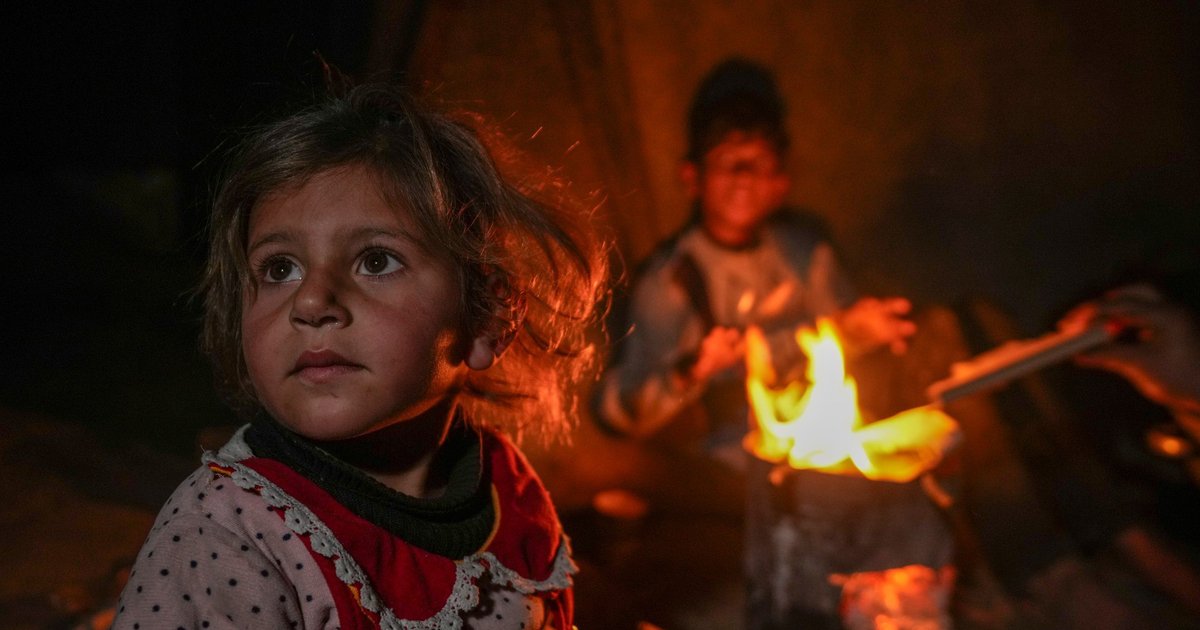
Children in conflict zones around the world are facing severe risks that threaten their lives and futures. Reports indicate that wars significantly impact children's education and mental health, necessitating urgent action from the international community.
Wars are among the most impactful humanitarian crises affecting children, as they endure harsh conditions including loss of parents, displacement, and deprivation of education and healthcare. According to international organizations, over 420 million children live in conflict zones, reflecting the scale of the humanitarian disaster that requires immediate response.
Details of the Situation
Reports indicate that children in conflict zones suffer from profound psychological and social effects. Studies have shown that children living in war zones experience high rates of depression and anxiety, which affect their ability to learn and adapt to daily life. Additionally, many of these children lose educational opportunities, as schools are bombed or used as shelters, exacerbating the situation.
In some cases, children are forced to engage in combat, exposing them to further risks and impacting their psychological and social development. Displaced children also face additional challenges in accessing essential services such as education and healthcare.
Background & Context
Historically, wars and armed conflicts have significantly affected children, with the world witnessing numerous conflicts that have led to widespread humanitarian crises. From conflicts in the Middle East to those in Africa and Asia, children remain the most affected. Research has shown that the impact of wars on children extends for decades, as traumatic childhood experiences can affect mental health and behavior in adulthood.
These crises require a comprehensive response from the international community, as coordinated efforts must be made to provide humanitarian assistance to affected children. Such efforts include providing education, healthcare, and psychological and social support to ensure the rebuilding of the lives of affected children.
Impact & Consequences
Wars deeply affect children, potentially leading to the proliferation of poverty and ignorance in affected communities. Children who lose educational opportunities become susceptible to engaging in illegal activities or violence, creating a vicious cycle of violence and poverty. Furthermore, the psychological impact of wars can last for years, affecting the next generation and hindering sustainable development efforts.
Moreover, the humanitarian crises resulting from wars lead to an increase in the number of refugees and displaced persons, placing additional pressures on host countries and affecting regional stability. These dynamics require an effective international response to ensure the protection of children and provide the necessary support.
Regional Significance
In the Arab region, humanitarian crises are escalating due to ongoing conflicts, such as those in Syria, Yemen, and Libya. Children in these countries are suffering from harsh conditions, with reports indicating that millions of children in these areas are in urgent need of humanitarian assistance. Coordinated efforts from governments and international organizations are essential to ensure the protection of children's rights and provide them with the necessary support.
In conclusion, the issue of children in conflict zones must be a top priority for the international community. Providing protection and support to children affected by wars is not only a humanitarian duty but also an investment in a better future for all.