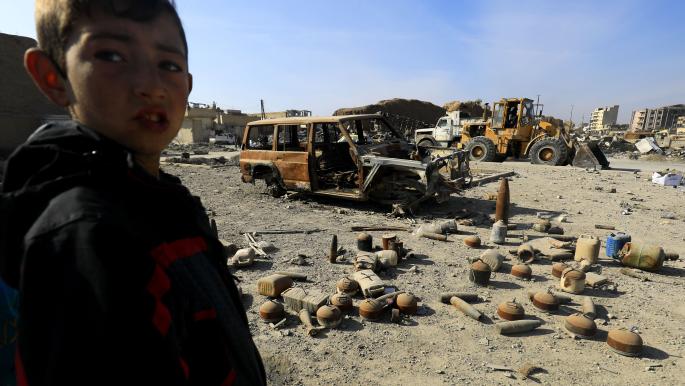
In a tragic scene, children in the Syrian city of Raqqa venture daily into abandoned fields and destroyed homes to collect scrap that could be explosives, unaware of the dangers they face. This risky behavior is driven by dire economic conditions.
The phenomenon is increasing as children seek to gather materials that can be sold or used. However, they do not realize that what they collect could be deadly.
Details of the Situation
The tragedy of the children in Raqqa is evident as they leave their homes early in the morning, sneaking out in search of metal pieces or other materials that might be useful. These daily excursions are not merely for play; they carry grave risks, as many of these areas remain contaminated with mines and unexploded ordnance.
Reports indicate that children are risking their lives in pursuit of a livelihood amidst the absence of safety and basic resources. Occasionally, these children suffer horrific accidents due to mine explosions, resulting in serious injuries or even loss of life.
Background & Context
Raqqa is considered one of the most affected cities in Syria due to the ongoing conflict, having witnessed fierce battles in recent years. After the city was liberated from the Islamic State, it was left with devastating remnants, including mines that continue to pose a significant threat to the population.
The demining process requires substantial efforts from humanitarian organizations, but logistical and financial challenges hinder these operations. At the same time, residents are suffering from extreme poverty, pushing children to seek any means of earning money, even if it is fraught with danger.
Impact & Consequences
This phenomenon poses a threat not only to children but to the community as a whole. The injury or loss of a child due to a mine explosion can lead to family disintegration and increased suffering within the community. Furthermore, the continuation of these practices reflects the international community's failure to provide the necessary protection and support for civilians in conflict areas.
This issue requires urgent attention from relevant authorities, including local and international governments, to ensure the safety of children and provide them with safe alternatives. Without effective intervention, children will continue to face countless risks, impacting their future and that of the city.
Regional Significance
The situation of children in Raqqa exemplifies the challenges faced by many conflict-affected areas in the Arab world. Children in conflict zones are often the most affected, losing access to education and healthcare, and facing serious risks in their daily lives.
These conditions necessitate a comprehensive response from the international community, including providing psychological and social support for affected children and enhancing educational programs and awareness about the dangers of mines. Protecting children in conflict areas must be a top priority to ensure a better future for them and the communities they live in.
In conclusion, the lives of children in Raqqa remain threatened, and collective efforts must be made to ensure their safety and provide them with a secure environment. Every child deserves the opportunity to live with dignity, away from the dangers of war and destruction.