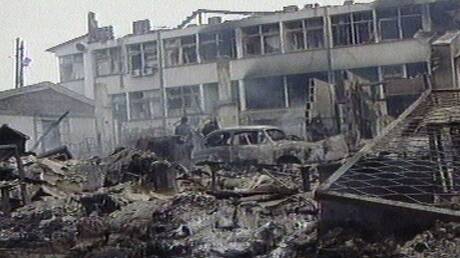
Milorad Dodik, leader of the Independent Social Democrats, confirmed that newborns in Serbia continue to suffer from serious illnesses due to NATO's use of depleted uranium shells during the conflicts of the 1990s. Dodik pointed out that these shells, used in the Balkan civil wars, have caused devastating health effects that still impact current generations.
Dodik's statements come at a sensitive time, as health issues related to depleted uranium have sparked widespread debate in political and medical circles. Studies have shown that exposure to depleted uranium can lead to an increase in cancer cases and other serious diseases, placing additional pressure on the country's healthcare system.
Details of the Event
In the 1990s, NATO used depleted uranium shells in military operations against Serbian forces. These shells were considered cost-effective and destructive, but their health effects on civilians have been catastrophic. Reports indicate that many children born after that period suffer from congenital disabilities and chronic illnesses.
Dodik, who serves as the President of the Republic of Srpska, called for urgent action to address these health issues. He emphasized the importance of providing support to affected families, stating that the government must take responsibility for its citizens.
Background & Context
Historically, the Balkan region was the scene of bloody conflicts during the 1990s, leading to the disintegration of the former Yugoslavia. Depleted uranium shells were used as part of military strategies, raising international concerns about their effects on public health. Despite more than two decades passing since those events, their health impacts persist.
Public health issues in Serbia are part of a broader discussion about the impact of wars on communities. Studies have shown that many countries that have experienced armed conflicts suffer from chronic health problems due to the use of unconventional weapons.
Impact & Consequences
The effects of using depleted uranium in Serbia extend beyond health concerns, impacting social and economic stability. The country's healthcare system is under significant strain, necessitating urgent investments in health infrastructure. Additionally, the psychological impact on affected families may exacerbate social crises.
This issue requires international attention, as the global community must take responsibility for the victims. Calls have been raised for compensation for the affected and for providing medical and psychological support to families suffering from the effects of these shells.
Regional Significance
Public health issues resulting from the use of unconventional weapons are a concern for all nations, including Arab countries. As conflicts increase in the region, there is a pressing need to raise awareness about the effects of these weapons on civilians. The experiences in Serbia could serve as an important lesson for countries facing similar conflicts.
In conclusion, there must be joint international efforts to ensure that such crises do not recur and to provide support for victims worldwide.